


























.jpeg)





















































JP Morgan buys America's First Republic Bank: 84 branches in 8 states will open with new branding
JP Morgan buys America's First Republic Bank: 84 branches in 8 states will open with new branding, and customers' money will be safe
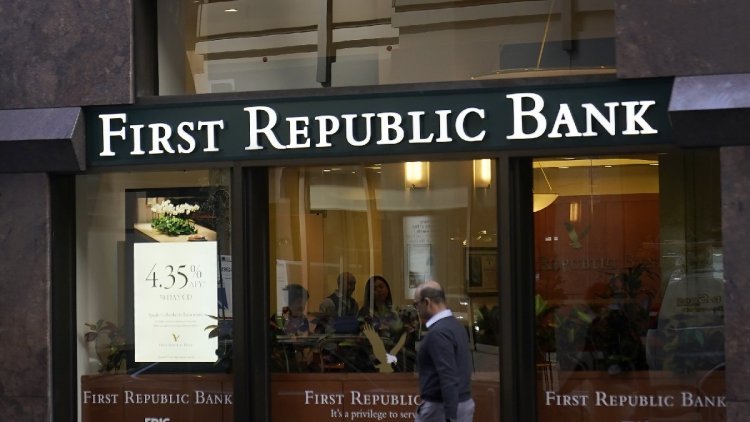
America's largest bank JPMorgan Chase & Co has acquired the troubled First Republic Bank. This has been done after all efforts to save the bank have failed. After getting caught in the crisis, the bank was taken over by the regulators.
First Republic Bank's 84 offices in 8 states will reopen as JPMorgan Chase bank branches. Depositors of First Republic Bank will become depositors of JPMorgan Chase Bank. Will be able to access your account. That means the money of the customers is completely safe.
The US regulator estimates that its insurance fund will have to pay about $13 billion to cover First Republic's losses. JP Morgan and the Federal Deposit Insurance Corporation will share recoveries as well as losses for single-family and commercial loans. JP Morgan will acquire all of First Republic's assets.
As of April 13, 2023, First Republic Bank had total assets of approximately $229.1 billion and total deposits of $103.9 billion. Citizens Financial Group, PNC Financial Services Group, US Bancorp and Bank of America were also among those who made bids to acquire First Bank, apart from JP Morgan.
First Republic Bank, formed in 1985, was the 14th largest bank in the US. Shares of First Republic Bank have lost more than 97% since March this year. The share price was close to $122 in March. Now it has come down to $3.51.
On March 16, 11 big banks of America came forward to save the First Republic from drowning. These banks had committed to invest $ 30 billion (about Rs 2.5 lakh crore) in the First Republic so that depositors do not face any problems in withdrawing money.
JP Morgan, Bank of America, Citigroup and Wells Fargo pledged funding of $5 billion each. At the same time, Goldman Sachs and Morgan Stanley had invested $ 2.5 billion. The rest of the banks had also put in small amounts of capital. The American banks that put in the capital had said, 'This step reflects their confidence in the First Republic and banks of all sizes.'
Like Silicon Valley Bank and Signature, First Republic Bank's downfall is due to debt and investment burden. The Federal Reserve has sharply increased interest rates to fight inflation. This has a direct impact on the banking sector of America.
Last Monday, First Republic reported that customers withdrew $102 billion in the first three months of the year. At the end of 2022, the bank's deposits were close to $ 176 billion. That is, more than half of the deposits were withdrawn.
The bank also borrowed $92 billion during this period. By Thursday night, the First Republic and its advisers knew they had no choice but to take over the government. First Republic had many customers in the start-up industry.
First Republic Bank has been bought and sold several times over the years. Merrill Lynch & Company acquired First Republic in 2007 for $1.8 billion. After the purchase of Merrill Lynch in 2009, the ownership came to Bank of America.
It was purchased and taken public in 2010 for $1.86 billion by General Atlantic and Colony Capital, among other investment firms.
The collapse of the First Republic could lead to concerns of economic recession. Industry experts and economists say the turmoil that began with the failure of Silicon Valley Bank has made banks and investors more cautious. This caution can make getting a loan more difficult and expensive. This will slow down business expansion and reduce hiring.
America's banking crisis will not affect Indian banks. American investment company Jefferies and financial services firm Macquarie had said that Indian banks are in a strong position due to reliance on local deposits, investment in government bonds and adequate liquidity.