



























.jpeg)

























































Automatic Transmission Care: Habits That Can Save You Expensive Repairs
Automatic Transmission: Automatic transmissions make driving smoother and less stressful. But they're also one of your car's most sensitive systems. Carelessness can take a toll on them.
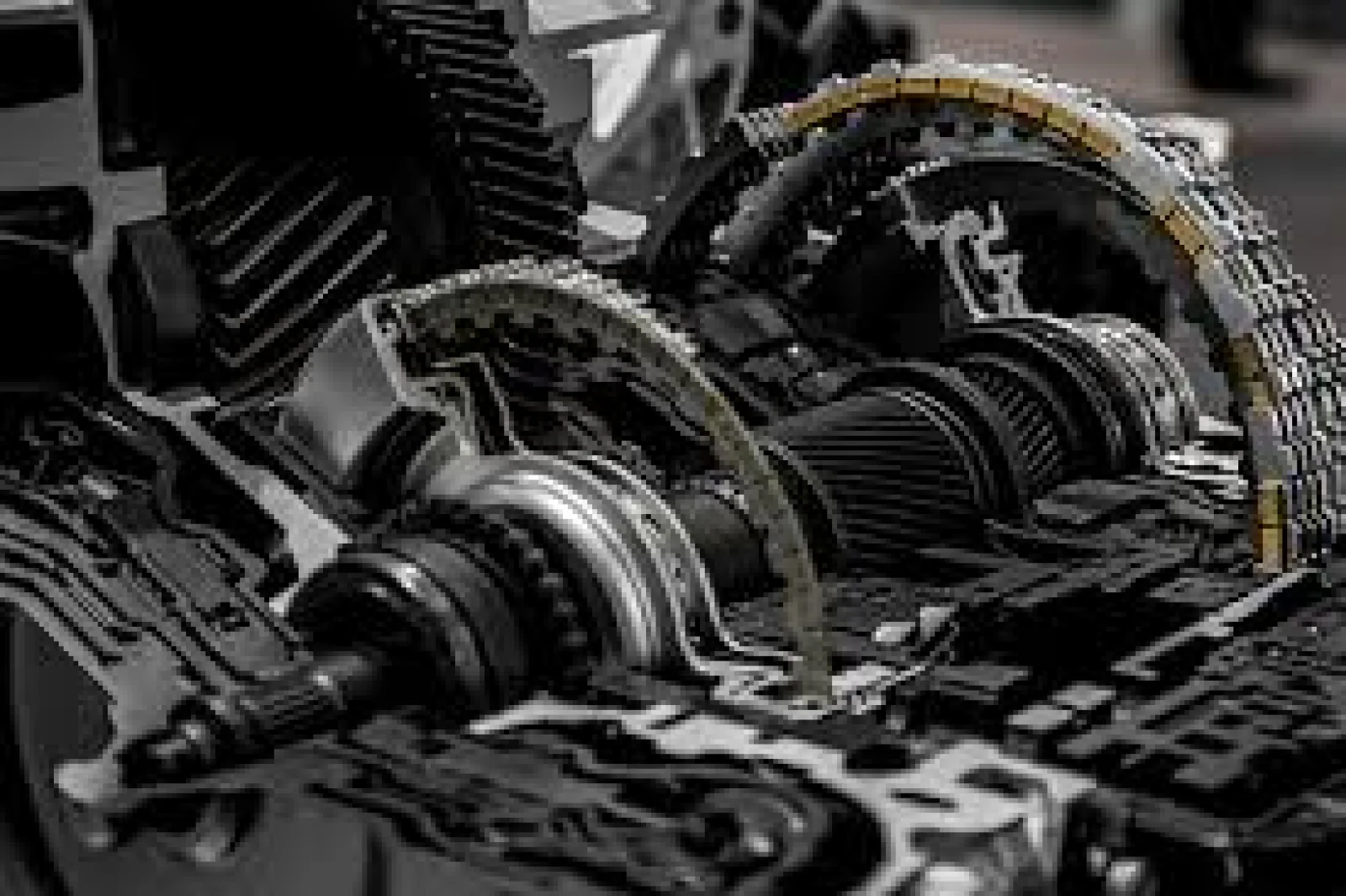
Automatic transmissions ensure easy driving and comfort while on the road, especially during rush hours. But this comes with a disadvantage, whereby automatic transmission systems are very sensitive. One may commit mistakes or have driving habits that could gradually affect the vehicle's transmission system, causing repairs in the future. Many people display driving habits that accommodate deterioration of the vehicle's transmission systems.
In a specific temperature limit, automatic transmission works best when the temperature is between 93 and 95 degrees Celsius. If that temperature exceeds, even a slight increase, their internal parts get damaged. In fact, for each 10-degree increase above the desirable temperature limit, a transmission has a life span that is reduced by almost half. Indeed, high temperatures are the automatic transmission’s major enemies.
In extreme heat, transmission fluid can lose its lubricating properties and turn into a thick, sticky layer. This damages gears and bearings and accelerates wear. Prolonged high-speed driving in hot conditions and fluid leaks are common causes of overheating, making regular inspection essential.
Want to get your story featured as above? click here!
Want to get your story featured as above? click here!
Driving with low transmission fluid is another major mistake. Transmission fluid plays a critical role in cooling and lubricating internal parts. When fluid levels drop, components rub against each other, increasing friction and heat, which can lead to serious mechanical failure. Checking and refilling the fluid at recommended intervals, as mentioned in the owner’s manual, is crucial.
Failure to account for regular changes in the fluid can also reduce the longevity of the transmission. With time, the fluid breaks down and loses effectiveness in lubrication and protection from heat. Used fluid can also cause problems such as worn-out seals and gaskets, sluggish or jerky gear shifting, and excessive internal wear and tear. Transmission fluid change intervals are supposed to happen between 40,000 and 60,000 miles, depending on the vehicle's manual.
An inappropriate fluid type may also cause similar damage. Every automatic transmission is set up for use with a particular fluid type. If the wrong fluid is used, the consequences might include improper gear shifting and even the failure of the total transmission system. In all cases, the user is always recommended to refer to the user’s manual when recharging the fluid.
Aggressive driving habits, such as sudden acceleration or frequent speed bursts, can generate excessive heat in the torque converter. Over time, this heat buildup can push transmission temperatures beyond safe limits, causing internal components to deteriorate rapidly. Unless the vehicle is specifically designed for performance driving, smooth and gradual acceleration is recommended.
Another common mistake is changing gears without bringing the vehicle to a complete stop. Shifting from Reverse to Drive, or vice versa, while the car is still moving places extreme stress on the transmission. Repeatedly doing this can lead to premature wear of the clutch, belts, and gearsets.
Failing to use the parking brake is also harmful. Many drivers shift directly into “Park” without applying the handbrake, which places the entire load of the vehicle on a small component called the parking pawl. This part can break easily, especially on slopes or if the vehicle is bumped. The correct practice is to apply the parking brake first and then shift into “Park.”
Improper towing and excessive system stress can further damage the transmission. Towing a front-wheel drive vehicle improperly or trying to get your vehicle unstuck by quickly switching between the drive and reverse positions can cause the system to overheat and the clutch to burn out. Towing should always follow the recommended methods provided by the vehicle's manufacturer.
In conclusion, it’s important to point out that good driving habits and maintenance are necessary for extending the life of an automatic transmission car. A certain amount of care and knowledge could save car owners money and give them hassle-free driving experiences in the years to come.