




























.jpeg)




























































From App to Doorstep in 10 Minutes: The Smart Systems Powering Quick Commerce
How Quick Commerce Works: Imagine you've prepared water for tea and discovered you're out of sugar. As soon as you order, the sugar arrives within 10 minutes! This speed seems nothing short of miraculous, but it's not just about the rapid delivery speed, but also about the companies' smart and high-tech planning.


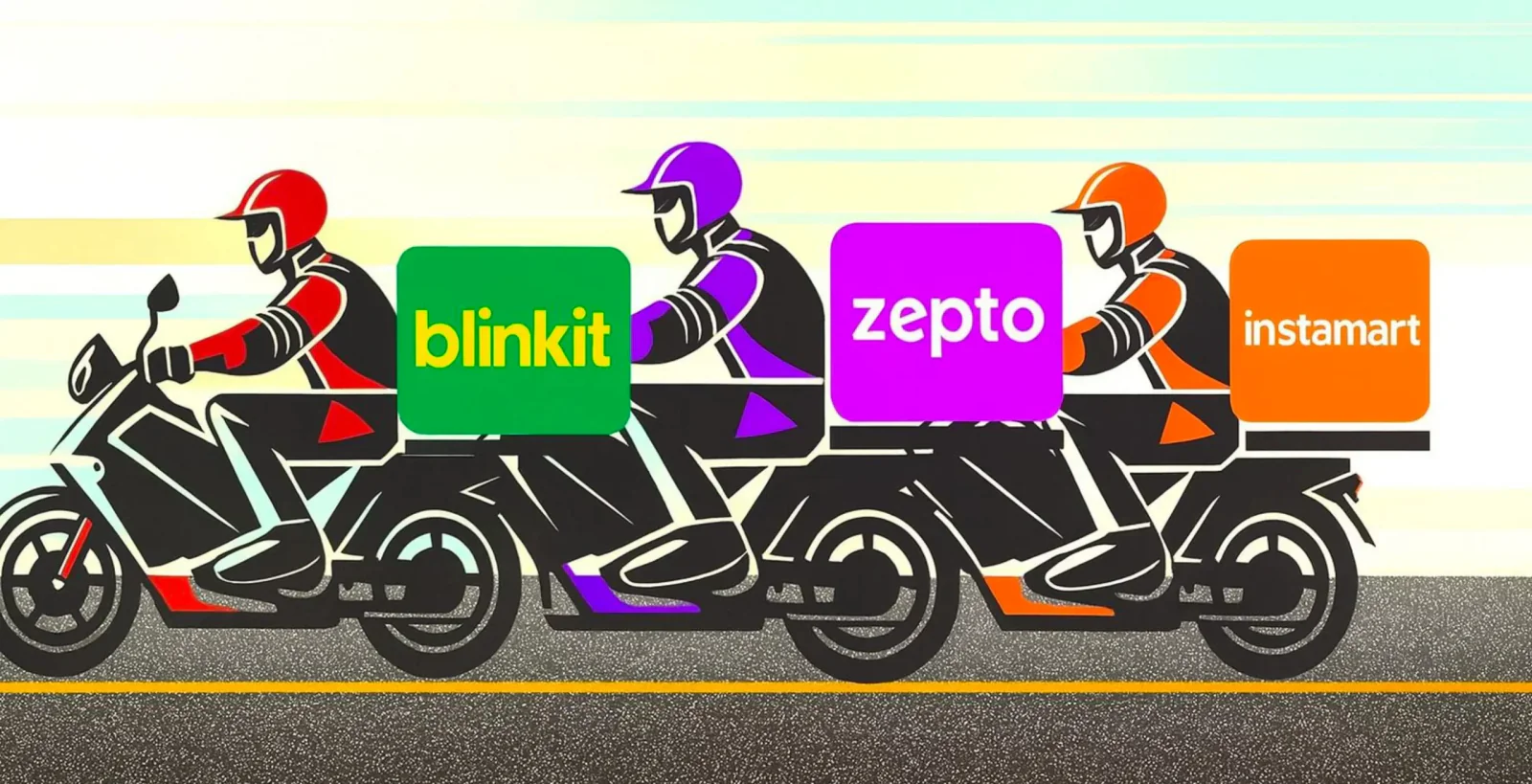

These days, the rise of quick commerce companies has made our lives instant. We had to personally travel to the marketplace and stand in a queue to get some groceries, and then they would reach your doorstep in hours. But the magic of fast delivery by these quick commerce companies lies not only in the fast-driving skills of the partners but also in a very complex technical setup.
As soon as you start looking for an item on the application, the server of this company goes active and starts searching for the availability of that item in the nearest small-warehouse. This whole process is so accurate that even before you press the payment button, it has already identified which employee is going to package your items and which delivery boy is going to give it to you. This is a combination of technology and local presence that ensures that the goods are ready before you arrive.
The biggest strength of these companies is their dark stores. These aren't ordinary grocery stores where you can go in and shop; rather, they are small warehouses strategically located in densely populated areas. For example, if you live in a sector or neighborhood of a major city, there's likely a similar store operating in a basement or narrow alley just 1 or 2 kilometers from your home. The locations of these stores are determined based on data analysis to minimize delivery distances. Because the distance is short, the delivery rider doesn't have to get stuck in traffic or jump signals; he can reach your door in 5 minutes, even at normal speed. Only essential items that are in high demand, such as milk, bread, eggs, snacks, and instant food, are stocked here.
The items in the dark store aren't decided by a manager based on their own assumptions. Data and advanced algorithms are at work here. Companies constantly analyze which items are in high demand in which areas at what times. If a colony has a high demand for ice cream at night, the system pre-stocks the store accordingly. This means that when you open the app, your item is already available within a 1-2 kilometer radius.