






























.jpeg)































































SPF, PA Ratings, and More- A Complete Guide to Sunscreen Protection
Sunscreen for Pigmentation: Whether it's summer or winter, using sunscreen is essential for sun protection. Many people only apply it in summer, but the truth is that sunscreen protects the skin from the sun's harmful UV rays year-round.


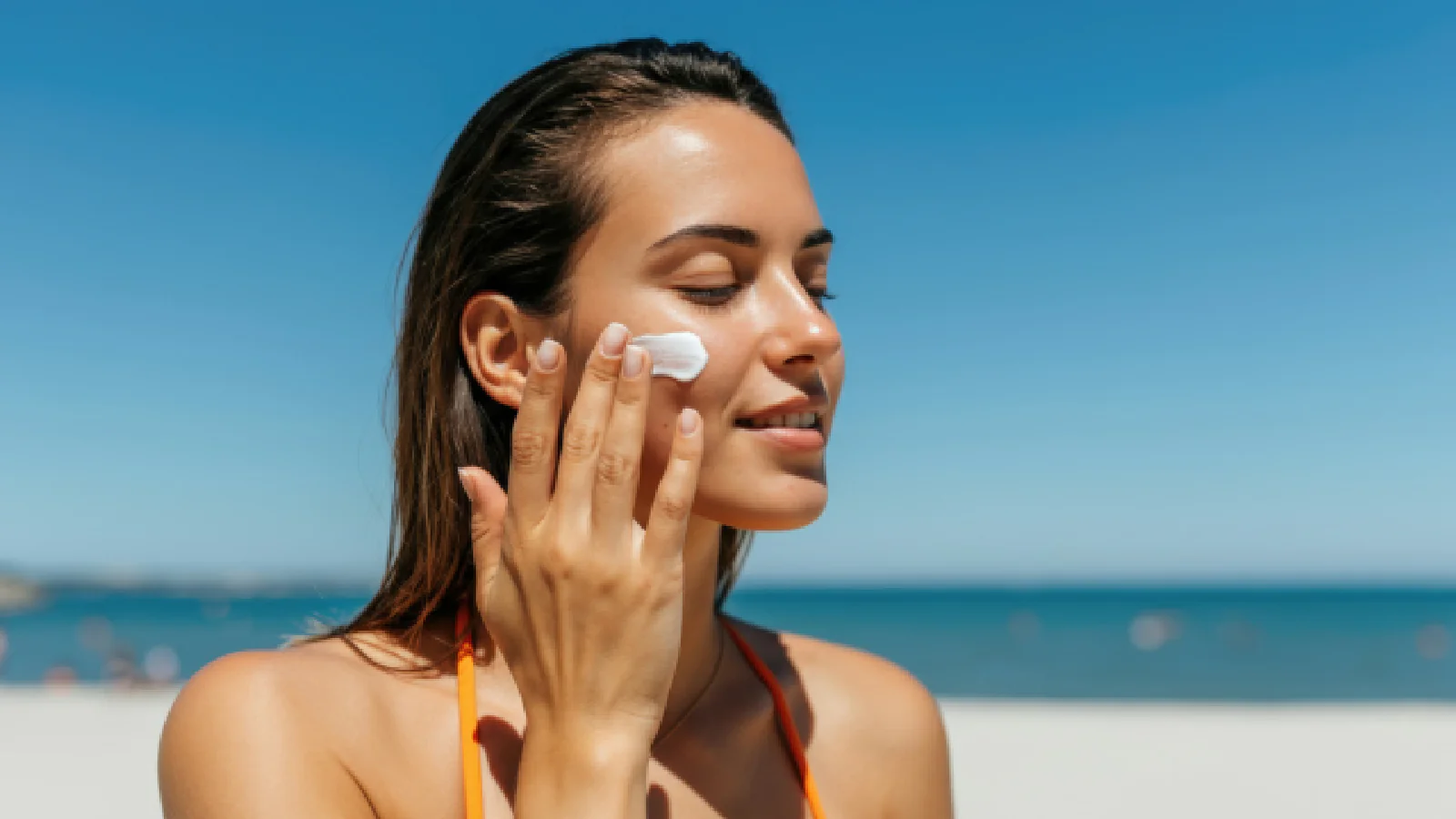


One of the most critical points of discussion in dermatology is protection from the sun. With long Indian summers and extremely high UV levels being the order of the day, our skin is subjected to constant hazardous ultraviolet radiation. Prolonged exposure to the sun can cause sunburn, early aging, patchy pigmentation, and even skin cancer, like melanoma, in extreme cases.
Understanding the Effects of UV Rays
The sun produces two major forms of harmful rays — UVA and UVB. UVB causes sunburn, whereas UVA rays penetrate deep into the skin to cause premature aging, dark spots, and damage to DNA. For this reason, dermatologists highly recommend the use of broad-spectrum sunscreens, which provide protection against both UVA and UVB rays.
How Sunscreen Protects the Skin
Sunscreens shield the skin through two types of active ingredients. Physical barriers like zinc oxide and titanium dioxide function by deflection of UV rays off the skin. Chemical barriers, however, like avobenzone, oxybenzone, octocrylene, and octisalate, absorb and destroy the rays before they become harmful. The majority of contemporary sunscreens are a blend of both, hence becoming light, non-greasy, and suitable for the weather and skin in India.