































.jpeg)





























































Sprinkling Extra Salt on Food? These Signs Show You’re Eating Too Much Sodium
Excessive salt intake significantly increases sodium in the body and can be detrimental to heart health. Eating outside, packaged, or canned food contains sodium far above the recommended limit, and its symptoms are clearly visible.

H
Health & Fitness
NEWS CARD

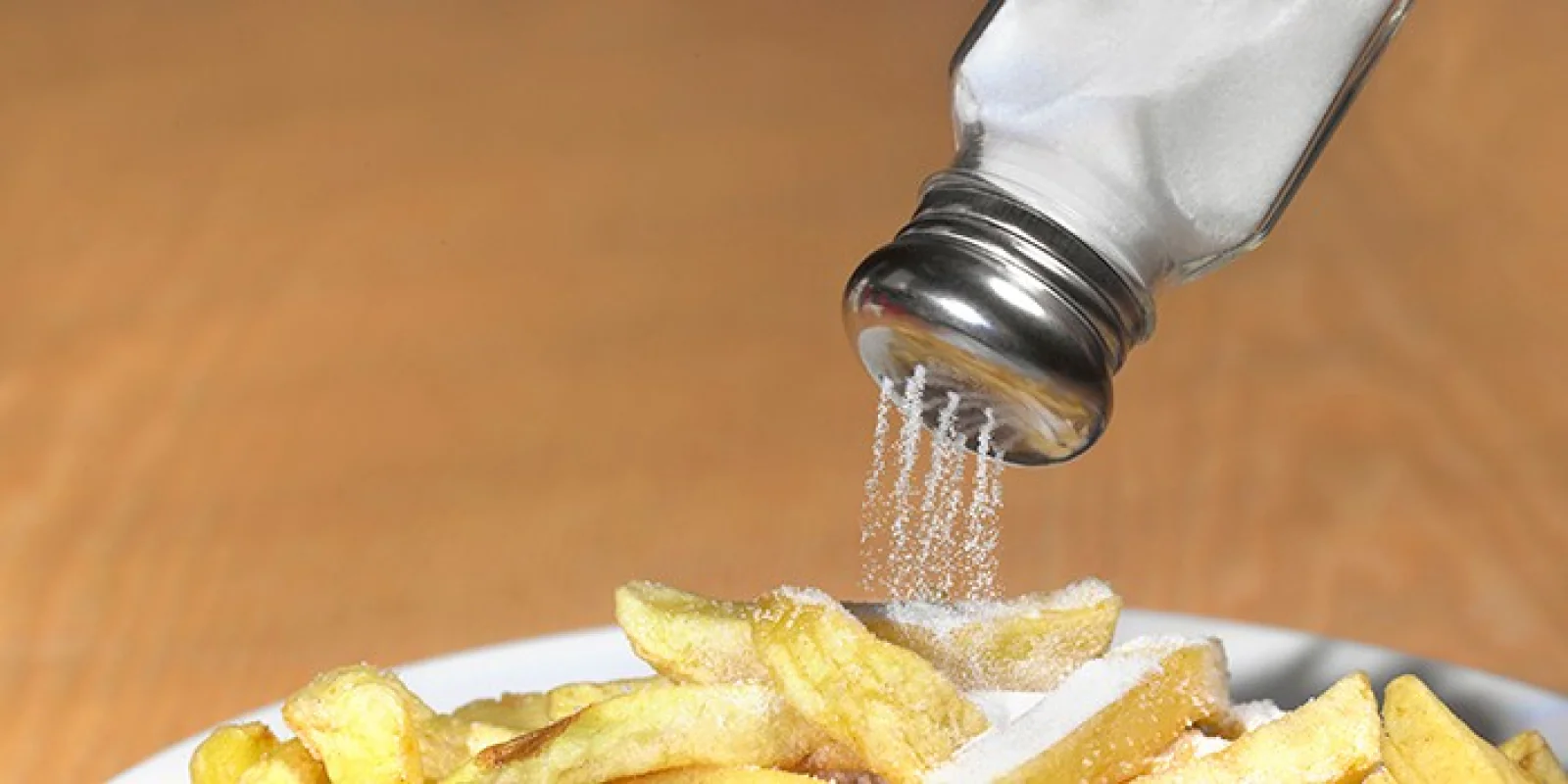
“Sprinkling Extra Salt on Food? These Signs Show You’re Eating Too Much Sodium”

Read more onsangritoday.com
31 Jan 2026

Do you have the habit of sprinkling salt on your vegetables, salads, or fruits? If so, you are unknowingly consuming more sodium than you need on a daily basis. According to the American Heart Association, you should not take more than 1500 mg of sodium on a daily basis. If you are consuming too much salt in your daily diet, the following symptoms may develop:
Swelling or puffiness on the face
Too much salt in the body causes water retention in the body. Water retention results in swelling, bloating, and puffiness. Fitness can also be affected.
Frequent headaches