





























.jpeg)

















































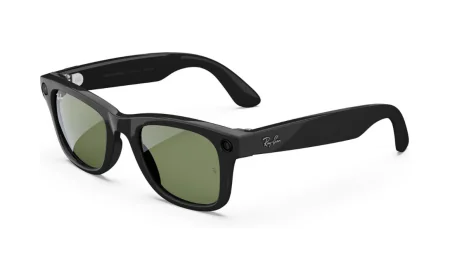














Mark Zuckerberg’s Meta Platforms Working on Facial Recognition Feature for Smart Glasses
Meta Smart Glass Privacy Concerns: Face recognition technology, which was removed from Facebook nearly five years ago, may return in Meta's smartglasses. Wearing these smart glasses will allow users to identify and obtain information about the person standing in front of them. However, this has sparked a new debate about privacy.


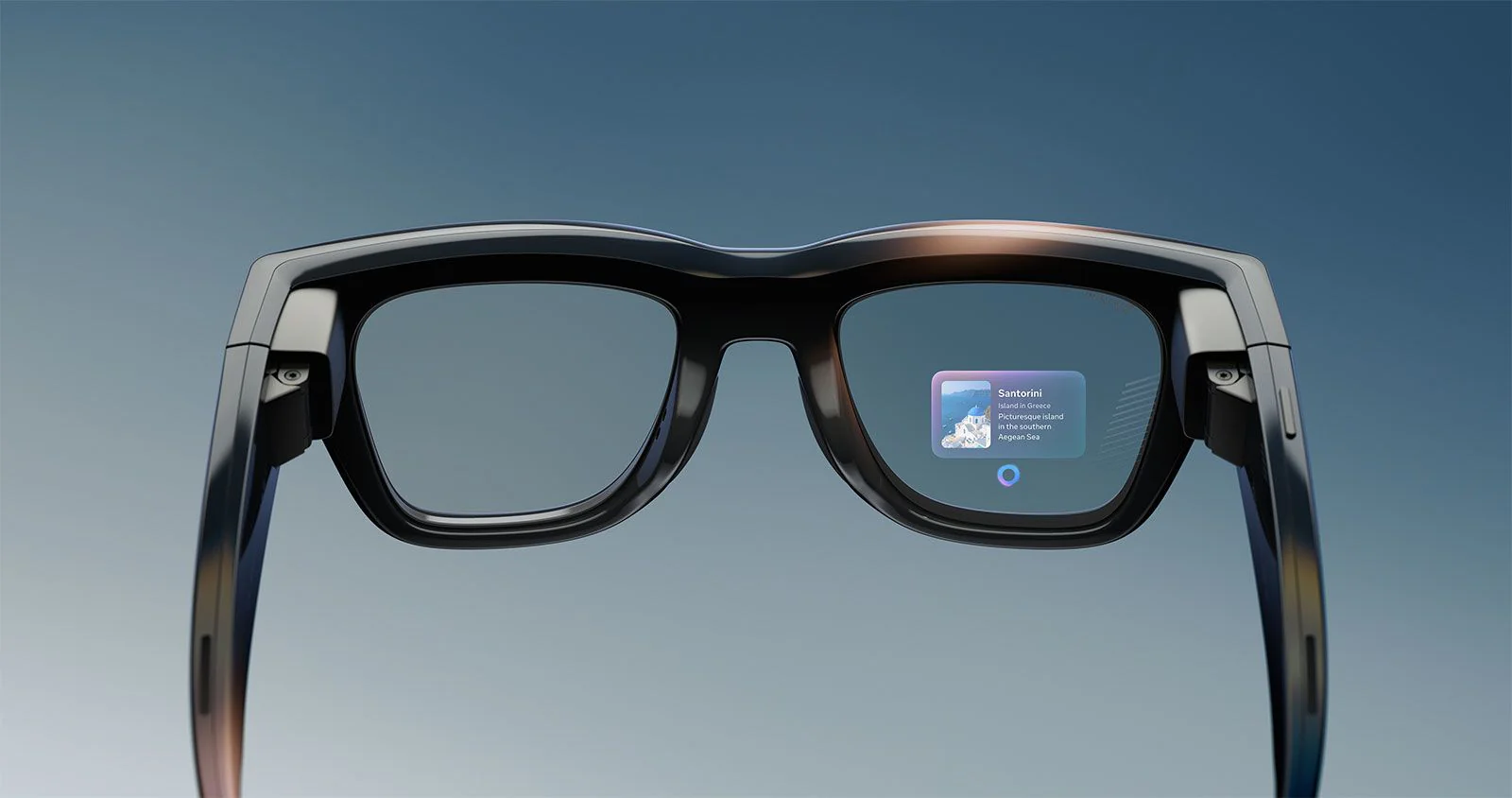


The company, i.e., Meta (Facebook), founded by Mark Zuckerberg, is in a hurry to make its wearables unique in the market. It has been revealed that the company is working on a secret project code-named "Name Tag." This feature will enable the AI assistant in the smart glasses to collect information about the person in front of them. It is expected that this feature will be available to the public by the end of this year.
The goal is to use this feature to make the glasses stand out from the competition, even if the competition includes AI technology from rival companies. The CEO of the company, Mark Zuckerberg, thinks that the facial recognition feature will make AI assistants more useful and convenient. There is, however, a lot of debate within the company regarding the implementation of the feature. According to an internal memo, Meta sees the current political climate in the US as an opportune moment to launch it.
While this feature may sound magical, organizations like the American Civil Liberties Union (ACLU) are concerned. Experts say that being able to instantly identify people walking on the streets will destroy the anonymity we all rely on. This technology could be used by governments, corporations, or even individuals with malicious intent.
Nathan Freed Wessler, a lawyer with the American Civil Liberties Union, a privacy rights organization, has warned that facial recognition technology in public places could pose a serious threat to people's freedom to identify themselves.