




















































Samsung Galaxy S26 Series May Get Satellite SOS and Texting Support

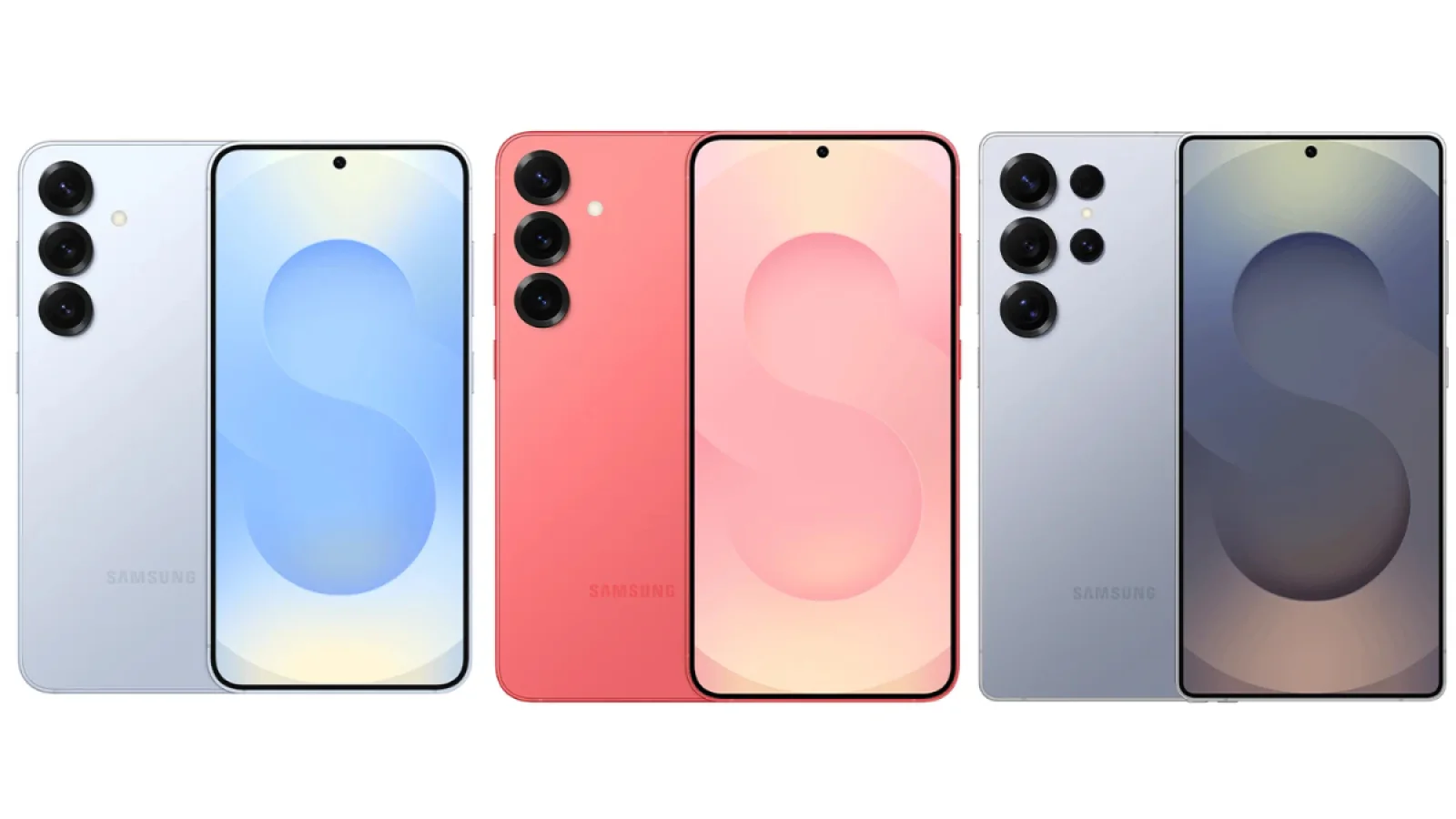
Samsung's alleged high-end smartphones, the Galaxy S26, Galaxy S26+, and Galaxy S26 Ultra, recently passed the Federal Communications Commission (FCC) certification process. The certification documents reveal that these devices have satellite communication capabilities, allowing users to send and receive messages even when there's no cellular network nearby.

Sun, 01 Feb 2026 12:24 AM (IST)
 0
Samsung Galaxy S26 Series May Get Satellite SOS and Texting Support

Buzz around Samsung's upcoming flagship phones has been growing, and new information has been leaked about the devices. A new filing has been made, indicating that the supposed Samsung Galaxy S26 series will feature a significant improvement in connectivity. According to recent FCC certifications, Samsung's upcoming phones appear to support satellite-based communication standards, which could bring satellite texting, emergency calls, and SOS features to Galaxy devices for the first time.

The FCC document is for the entire Galaxy S26 series, showing compatibility with several standards for satellite communications. Each phone is listed under its own FCC ID, but aside from confirming the phones will be using the Snapdragon 8 Elite Gen 5 for Galaxy chipset, it also confirms compatibility with satellite-related protocols. Although it is unlikely for FCC documents to reveal anything about features, the technical details clearly show satellite connectivity is part of Samsung's plans for the Galaxy S26 series.

More specifically, the certification mentions support for supplemental coverage from space and non-terrestrial networks. Both technologies are designed to enhance connectivity beyond traditional cellular infrastructure by integrating satellite networks in areas where mobile coverage is weak or non-existent. In practical terms, this will allow Galaxy S26 users to send messages or call for emergency help even when they are out of standard network range.
If this feature arrives as expected, Samsung will join Google and Apple, which have already rolled out satellite-based safety features. Google introduced satellite SOS and emergency texting with the Pixel 9 lineup, as a safety net for users in remote areas. Apple, meanwhile, has offered satellite emergency features on iPhones since the iPhone 14 and has steadily expanded regional availability over time.

Advertisement

Want to get your story featured as above? click here!

Advertisement

Want to get your story featured as above? click here!

According to a source cited in the FCC filing, Samsung is expected to rely on Skylo for its non-terrestrial network provider. Skylo already works with Google to deliver satellite-based emergency coverage when devices lose access to traditional networks. If Samsung follows a similar model, satellite connectivity on the Galaxy S26 may initially be limited to emergency use cases rather than full messaging or calling, at least at launch.

There may also be regional restrictions. Satellite features often depend on regulatory approval and partner availability, and initial implementations are often limited to markets like the US. It's unclear whether Samsung is planning a global rollout or will gradually introduce it to different countries in a more cautious manner.

It's currently unclear how this feature will work in the real world. The FCC filing confirms hardware and protocol support, but it doesn't reveal whether satellite communication will be free, subscription-based, or bundled with certain services.

Satellite connectivity isn't the only upgrade expected for the Galaxy S26 series. Recent reports suggest that Samsung is also planning to introduce 25W wireless charging across the entire lineup. However, this may fall short of full Qi2 compatibility, with no built-in magnets for snap-on accessories. Additionally, Samsung is expected to upgrade the base Galaxy S26 model to 256GB of storage, moving away from the long-criticized 128GB starting point that some rivals, including Google, still use.

Overall, these changes point to a much larger generational update than is typically the case. If satellite SOS and texting are included in the final product, the Galaxy S26 could be Samsung's most significant step yet toward competing with its Android and iOS rivals in terms of safety-focused connectivity features.

Muskan Kumawat Journalist & Writer