



























.jpeg)






























































High Costs, Policy Burden Drag Pakistan’s Economic Growth: Nikkei Asia Report
Pakistan: Due to government policies and heavy taxes, doing business in Pakistan has become the most expensive in South Asia. Doubled electricity prices, a 12.5% interest rate, and a falling currency have crippled businesses. Due to onerous regulations, people are now considering their jobs more secure than starting new ventures.


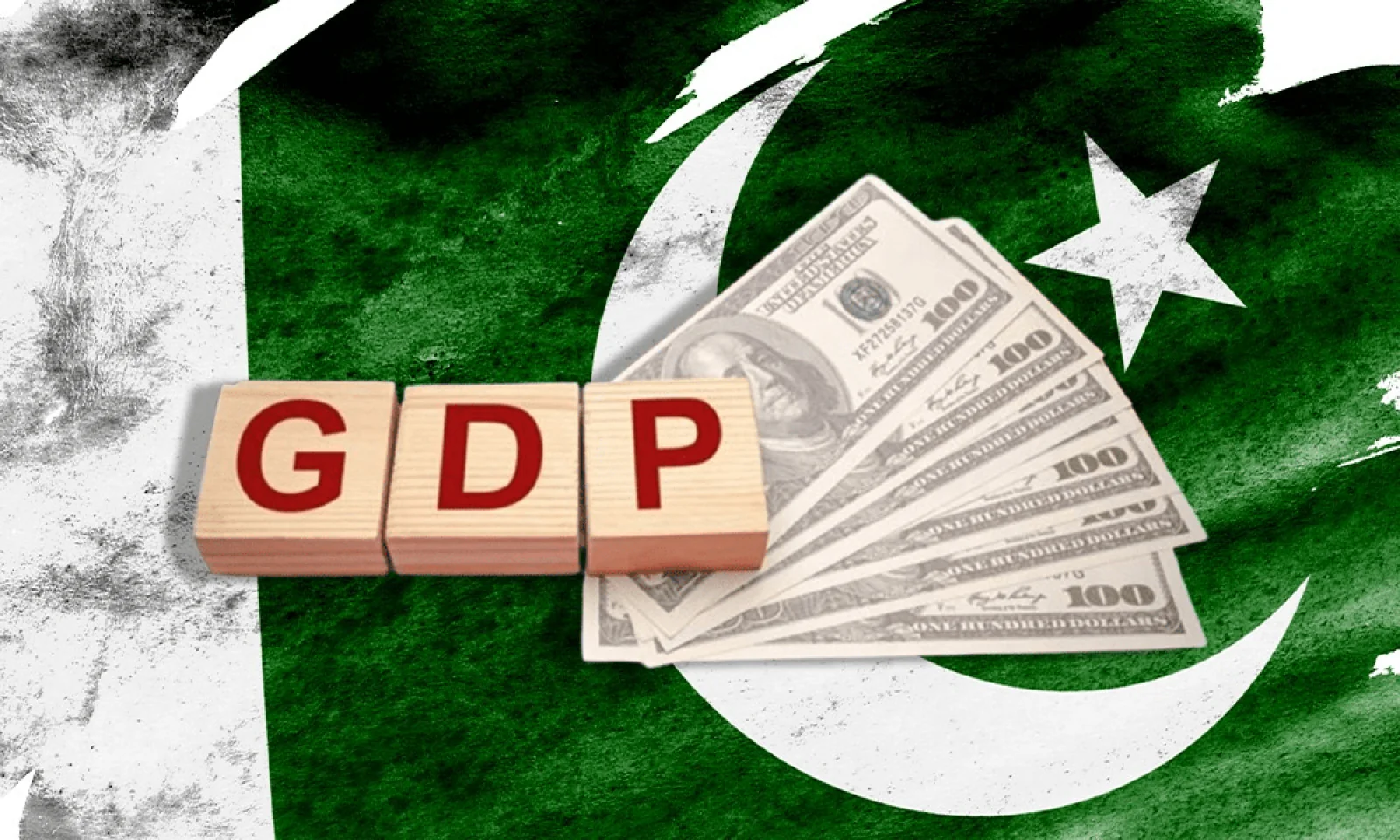


A recent report by Nikkei Asia has revealed the actual reasons for the slow economic growth in Pakistan. According to the report, "Pakistan's problems are not due to low production or a scarcity of new ideas. The real reason is that the government policies have increased the cost of doing business in the country."
This was reported by The News International based on a study carried out by the Pakistan Business Forum (PBF). According to this study, doing business in Pakistan was 34% costlier than doing business in the rest of South Asia. Business leaders have described this as not a temporary issue but a deep-seated one. This is because of high electricity charges, high taxes, costly debt, and a weakening currency.
Statistically, the average cost of electricity in Pakistan is approximately 34 rupees per unit. This is nearly double the average price of 17 rupees in neighboring countries. Fuel prices are also not a relief for the public and businesses. Petrol and diesel are burdened by a petroleum levy of approximately 80 rupees per liter. Furthermore, interest rates remain at 12.5 percent. These high rates have made borrowing from banks very expensive for companies.
The Pakistani rupee is also steadily weakening. The value of one dollar was 110 rupees in 2018, which is projected to fall to around 280 rupees by December 2025. This decline has made imported raw materials and machinery very expensive. The total impact of taxes on companies could reach 55 percent. Business groups say that after paying such high taxes, they simply don't have the money left for new investments or expansion.