





























.jpeg)






























































Oxfam Praises India’s Reservation System as Model of Democratic Empowerment
Oxfam's inequality report describes India's reservation system as a strong example of democratic decentralization. Oxfam's new inequality report was released on the first day of the World Economic Forum's annual meeting.


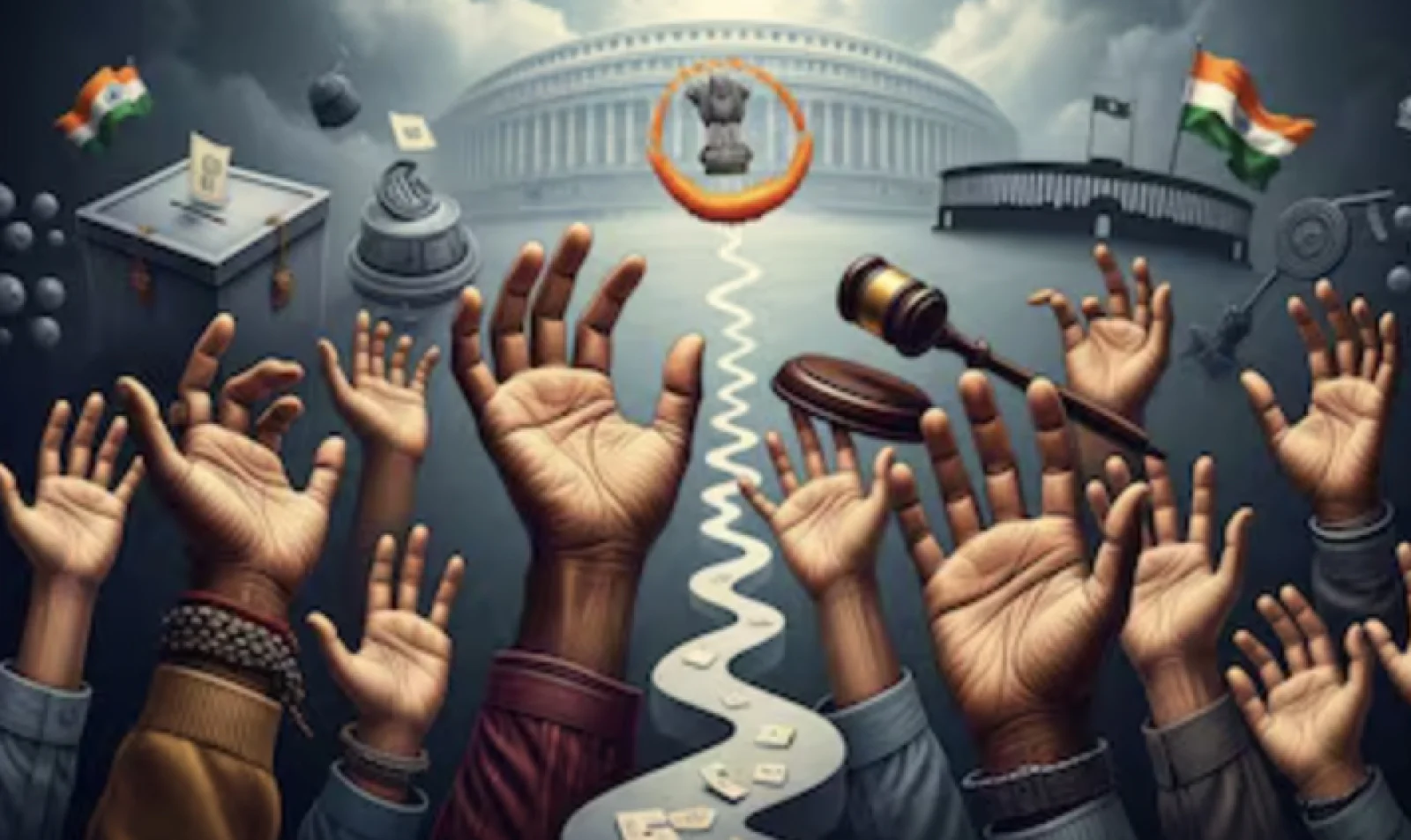


Commenting on the increasing power of billionaires in global politics, international rights organization Oxfam has termed the Indian reservation system a strong and tangible example of democratic empowerment. This was made in a new report on inequality launched by Oxfam on the first day of the World Economic Forum's annual conference.
Oxfam International's report, "Resisting the Rule of the Rich: Protecting Freedom for Billionaire Power," states that billionaires worldwide are 4,000 times more likely to hold political office than ordinary citizens, leading to an unequal impact on democracy.
The report states that India's political reservation system for Scheduled Castes, Scheduled Tribes, and other disadvantaged groups has provided opportunities for representation to communities that have long been socially and economically marginalized. According to Oxfam, political reservation in India has provided economically weaker and socially excluded groups with a platform to gain legislative representation and advance redistributive policies. India has reservations for Scheduled Castes and Scheduled Tribes in proportion to their population, and recently announced a 33 percent reservation for women. Reservations for vulnerable groups also exist in education and government jobs.
Oxfam stated that ordinary citizens are empowered when political, institutional, and social conditions allow them to play an effective role in decision-making. This requires institutional inclusion, accountable politics, collective organizing, and good governance. The report also emphasized the crucial role of civil society organizations, trade unions, and grassroots movements in strengthening democracy.