





























.jpeg)































































Law Commission of India Official Backs Four New Labour Codes Amid Opposition Criticism
Labor Codes: Political controversy has intensified over the central government's new labor laws, but a senior Law Commission official has described them as a major systemic change. According to her, these provisions attempt to modernize the labor market by unifying fragmented laws. Bringing gig and unorganized workers into the fold is a key aspect.


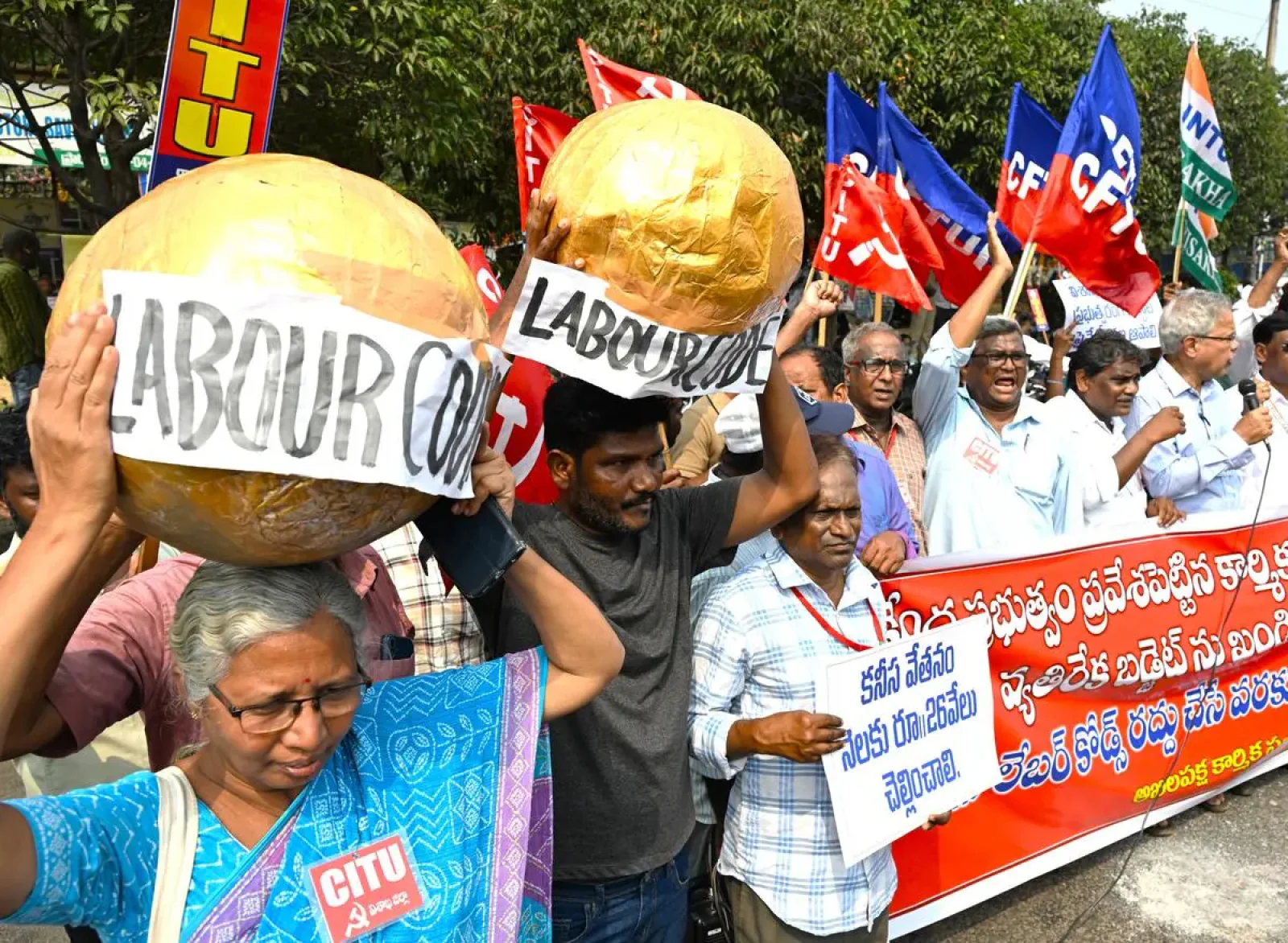


Despite the criticism from opposition parties and trade unions, a senior official of the Law Commission has termed the new labor laws as the most comprehensive and far-reaching reforms in decades. The Law Commission Member Secretary, Anju Rathi Rana, said that the new labor laws have the potential to create a more inclusive and future-ready labor market in the country.
She said that labor laws in India have evolved gradually over the years, resulting in numerous laws with varying definitions, different standards, and compliance obligations. The framework of the four laws attempts to reduce this complexity by bringing together provisions related to wages, safety standards, and social security.
Anju Rathi Rana described that the Code on Wages, 2019, gives the central government the authority to fix floor wages, and the definitions of wages are standardized. The Code on Social Security, 2020, recognizes unorganized, gig, and platform workers. The Industrial Relations Code, 2020, consolidates the provisions of trade unions, standing orders, and industrial disputes, and the Occupational Safety, Health, and Working Conditions Code modernizes safety standards.
However, the opposition and 10 central trade unions have criticized these codes as anti-labor and pro-corporate, alleging that they promote a "hire and fire" policy, limit union rights, and weaken social security.