





























.jpeg)































































India Targets 70% Female Workforce Participation as New Labor Codes Aim to Remove Structural Barriers
Labor Codes: According to former Labor Secretary Aarti Ahuja and strategy expert Kartik MP, these codes are not just legal changes for women, gig workers, and millions of workers in the unorganized sector, but the beginning of a new socio-economic structure.


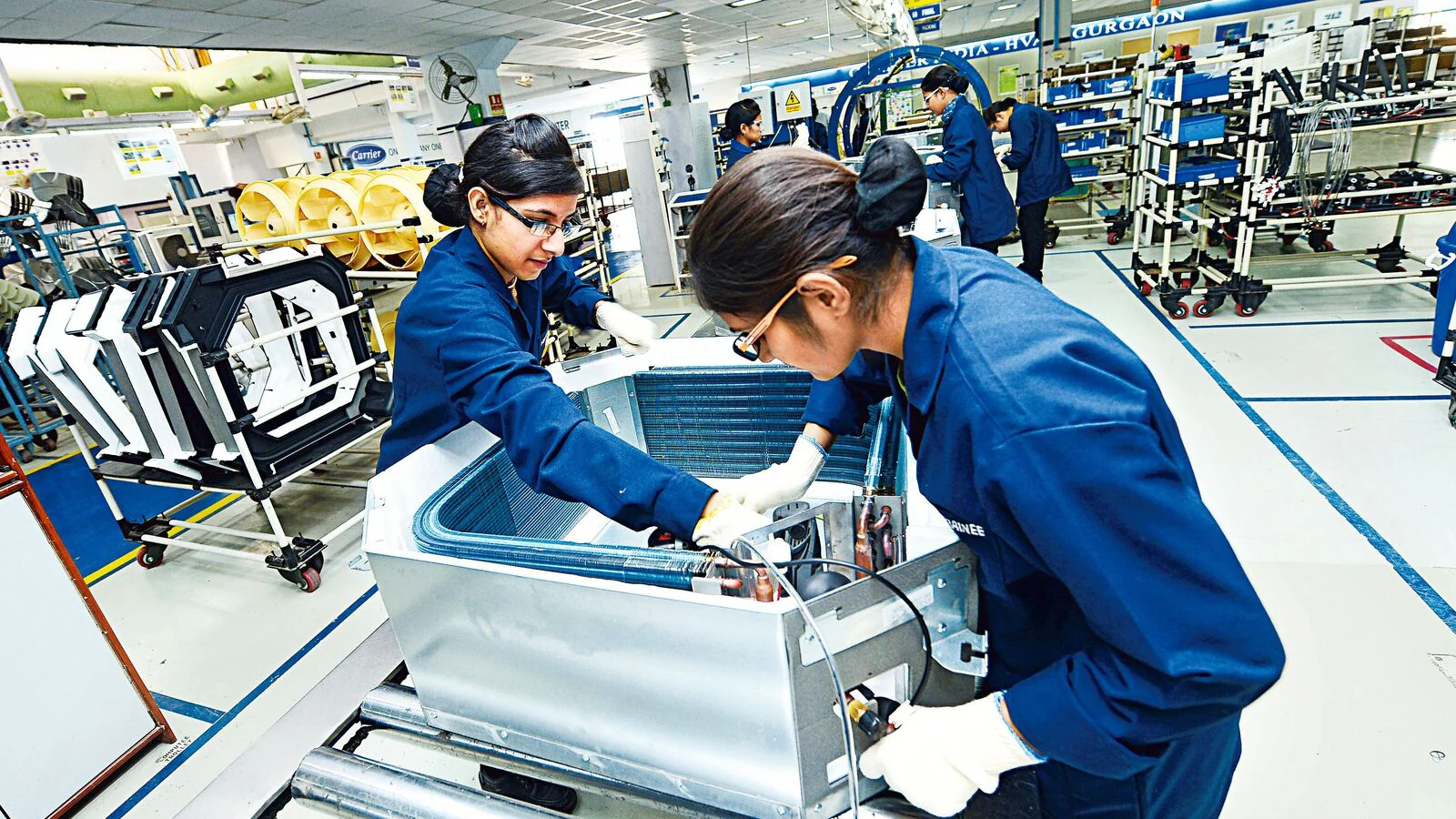


Increasing women's participation in the labor force is essential for India's ambition to become a US$30 trillion economy by 2047. Currently, women's participation in the labor force is 41.7 percent, and developed India aims to increase it to 70 percent. The primary objective of bridging this nearly 30-point gap is to increase national productivity and ensure that all people, not just half, contribute to shaping India's growth story.
Despite progress made in education, digital access, and entrepreneurship, considerable potential remains untapped. India must create a labor ecosystem that empowers women to enter, retain, and advance, and the implementation of India's unified labor codes offers a rare opportunity to address these systemic barriers and transform inclusion into productivity. Consider: Sita, a worker from Uttar Pradesh, registered on e-Shram, sews clothes for a contractor from home while raising her two children, with no childcare available. This provides her with an irregular income. For women like her, the new labor codes could prove to be a game-changer. A nearby garment factory is now hiring women to work in different shifts with formal contracts.
For the first time, India's labor law framework is poised to empower, rather than hinder, millions of women like Sita. The labor codes enacted between 2019-2020 consolidate 29 fragmented laws into four streamlined frameworks: the Wages, Social Security, Occupational Safety, and Industrial Relations Codes. This legislative intent is bold, and many states are now rapidly moving towards implementation. India has a significant opportunity to translate this intent into impact.
Visibility as a First Step: The Social Security Code establishes a National Social Security Board for gig and unorganized sector workers, covering aspects related to maternity, health insurance, pensions, and childcare. Over 306 million workers are registered on the e-SHRAM portal, of which 53 percent, or 160 million, are women. The linkage between this portal and Aadhaar-based UANs makes it possible to access these entitlements anywhere and in any sector. This infrastructure can mitigate losses during major life transitions, such as childbirth or childcare. Visibility is just the first step. The process of linking registration with welfare delivery systems must be accelerated to ensure that women not only have an identity card but also receive real assistance.