




























.jpeg)





























































Freebies and Pensions Can Burden Future Generations, Says PM Advisor Sanjeev Sanyal
PM-EAC: EAC-PM member Sanjiv Sanyal has described the "rewdry culture" and the old pension scheme as a "financial threat" to the future. Learn why he called it a debt burden on the next generation and cited the example of France.


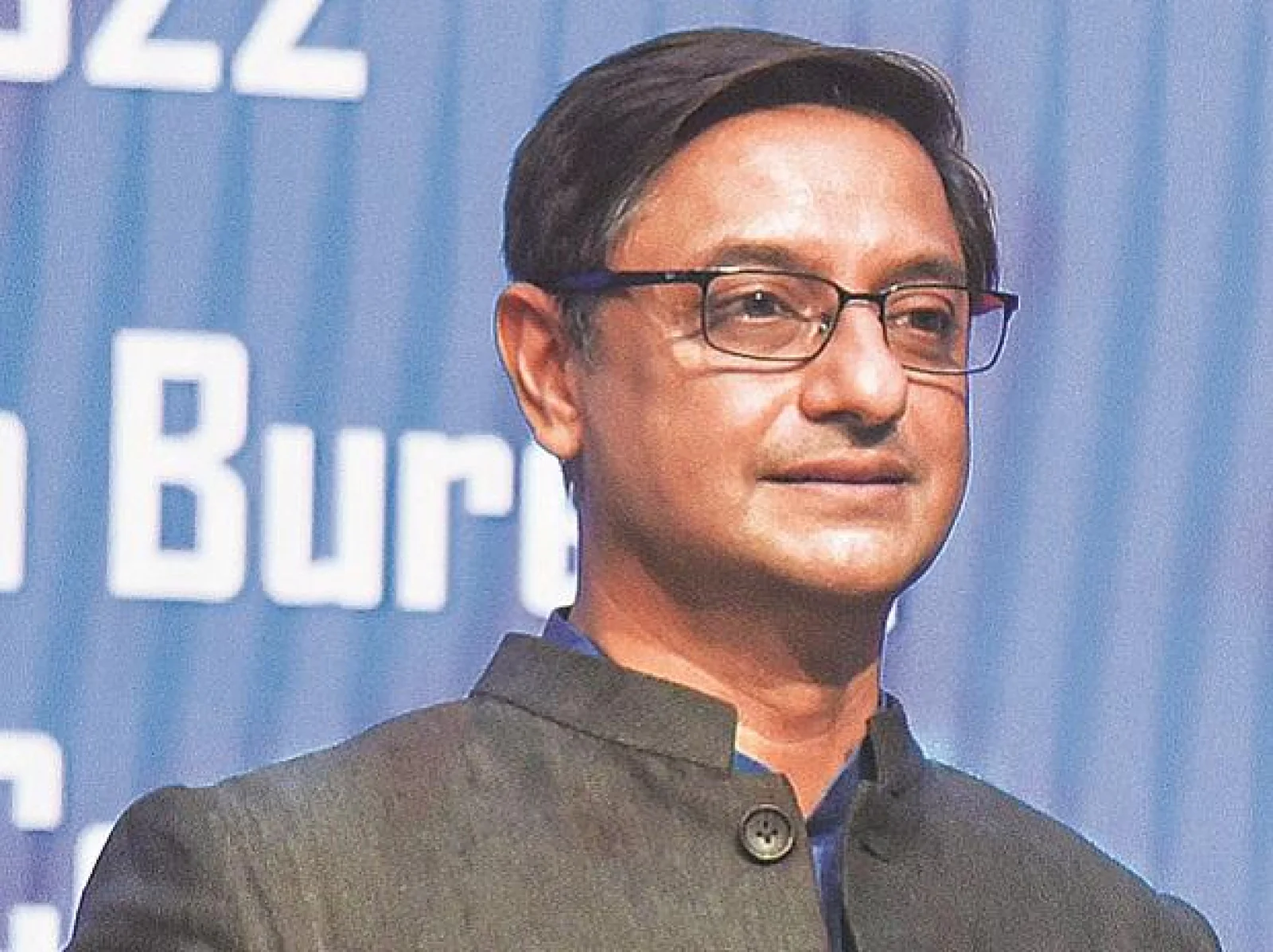


Sanjiv Sanyal, a member of the Prime Minister’s economic advisory team and a senior economist, made a very called-for warning about economic policies, particularly the "free rewdry" culture and also about reverting to previous pension packages. Sanjiv Sanyal was very categorical that unsustainable distribution of subsidies and extravagant promises about pensions are laying a burden on the next generations that may imperil the next economy. In an exclusive interview for ANI, he drew a very discerning line between a "welfare safety net" and a "politically motivated rewdry".
Sanjiv Sanyal said that in an entrepreneurial and risk-taking society like India, the possibility of failure always exists. Whether it's a startup or a small grocery store, risk exists at every level. Therefore, the government must provide a safety net for those who fall behind or fail in the race for development. He said, "I'm in favor of providing a ladder for the poor to climb up. I have no problem with that." Sanyal called this "assisted trickle-down," meaning helping people climb up rather than simply waiting for economic growth.
However, he questioned the indiscriminate distribution of free amenities. Citing the example of free bus rides for women, he said, "This isn't targeted assistance. A poor man deserves as much assistance on public transport as a woman. When you distribute amenities based on identity rather than economic need, it's not welfare, but 'rewadis.'"
Sanyal's biggest concern was the return of old-style generous pension schemes. He warned that with changing demographics, these promises would be a burden on the government treasury. He explained, "You are effectively creating liabilities for the next generation. Today's pension systems are often based on a 'pay-as-you-go' model, meaning payments are made from today's revenues. But we have to remember that India's working population will begin to shrink in about 25 years."