































































From Munching to Mindless Eating: How Stress Fuels Unhealthy Cravings

Healthy Snacking Habits: We all sometimes eat something just to satisfy our hunger, even when we're not hungry. Sometimes chips, sometimes chocolate. These habits provide instant relief, but are they healthy? Let's understand the difference between munching and stress eating.


Sun, 12 Oct 2025 01:37 AM (IST)
 0
From Munching to Mindless Eating: How Stress Fuels Unhealthy Cravings

Corporate workers tend to be wedded to their desks for hours at a time, fighting deadlines, pressure, and stress. Gradually, many of them start noticing an unwanted side effect- weight gain. The culprit is not always the absence of exercise; it is more likely stress and the manner we eat during those high-pressure work periods. Have you ever found yourself constantly snacking at your desk or grabbing a snack when work becomes too much? It's worth a question- is this easy habit innocuous, or is it silently damaging your health?

There’s a difference between munching and stress eating. Munching, when done right, simply means light snacking in a balanced way- eating when you’re genuinely hungry to maintain energy levels. It's good for you and gets you through the day. Stress eating, however, occurs when feelings override hunger pangs. It's when you munch to soothe your nerves rather than your belly. This usually takes place slowly, and weight gain, lethargy, and other illnesses may follow.

When you're stressed, your body automatically reacts by secreting more cortisol- the stress hormone. High levels of cortisol stimulate urges for comfort foods- sweet, salty, or fatty ones. That's why when you're stressed, you may find yourself craving fried snacks, chips, or sweets suddenly. Such foods can ease stress in the moment, but in the long term, they can harm both your body and mind.
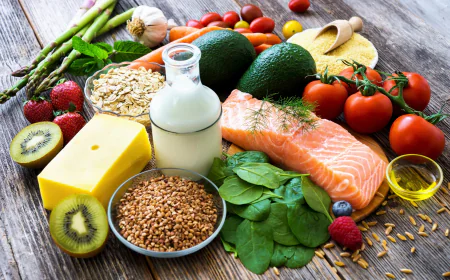

Experts say poor eating habits don’t just affect your physical health- they can also cloud your mind. Your brain thrives on nutrients to function properly, and when it’s constantly fed junk food, it struggles to stay sharp. Over time, this leads to irritability, anxiety, and emotional instability, making stress even harder to handle.

Advertisement

Want to get your story featured as above? click here!

Advertisement

Want to get your story featured as above? click here!

So how do you know if you’re stress eating? A few signs are easy to spot: you tend to eat when you’re sad, bored, or anxious; you gravitate toward packaged or fried foods; and you often eat mindlessly- without paying attention, perhaps while scrolling on your phone or watching TV.

This type of eating is doing more damage than good. It can lead to weight gain, constipation, blood sugar swings, and make you feel guilty afterwards. Becoming aware is the first step towards breaking this habit. Ask yourself: am I physically hungry, or am I stressed? Do I pay attention to my food, or do I consume it while doing other activities? And above all, what am I going to eat- healthy snacks such as fruits, nuts, or yogurt, or processed junk food?

To end the stress eating cycle, experiment with simple and effective habits. Practice yoga or meditation to soothe your mind and alleviate stress naturally. Store healthy snacks in easy reach, so you're less likely to grab unhealthy foods. Before eating, pause for a moment to check if it’s true hunger or just a passing emotion. Lastly, set a meal timetable and stick to it- structure helps bring balance.

A little mindfulness can go a long way. Once you start paying attention to what, when, and why you eat, you’ll find it easier to make better choices - not just for your body, but for your peace of mind too.

Muskan Kumawat Journalist & Writer