Ayurvedic Ingredients Making a Comeback in Modern Skincare
Ayurveda sees skin not as a separate organ but as a reflection of inner health. Dosha imbalances, whether from stress, poor digestion, or environment, are believed to manifest externally as breakouts, dullness, or premature aging.
ST Webdesk Verified Media or Organization • 13 Apr, 2026Editorial Desk
October 11, 2025 • 5:17 PM 0
H
Health & Fitness
NEWS CARD
“Ayurvedic Ingredients Making a Comeback in Modern Skincare”
Ayurvedic Ingredients Making a Comeback in Modern Skincare
Tradition Meets Trend
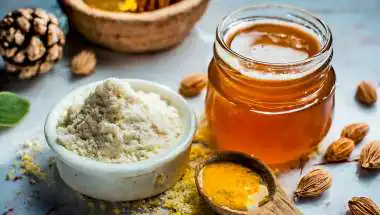
For centuries, Indian households have turned to their kitchens and gardens for skincare, turmeric for glow, neem for acne, aloe for burns. Yet, as global beauty standards and modern products took over, many of these time-tested remedies were pushed to the margins.
Now, a remarkable shift is underway. Ayurvedic ingredients are making a comeback, not as nostalgic home hacks but as scientifically studied, dermatology-backed elements in modern skincare. What was once dismissed as “old-fashioned” is being reformulated into cleansers, serums, and supplements that appeal to today’s consumer.
Why Ayurveda Still Matters
Ayurveda sees skin not as a separate organ but as a reflection of inner health. Dosha imbalances, whether from stress, poor digestion, or environment, are believed to manifest externally as breakouts, dullness, or premature aging.
Nutritional deficiencies affecting collagen and skin repair.
Ayurveda’s strength lies in root-cause thinking, a philosophy modern dermatology is now beginning to embrace.
Key Ayurvedic Ingredients Making a Return
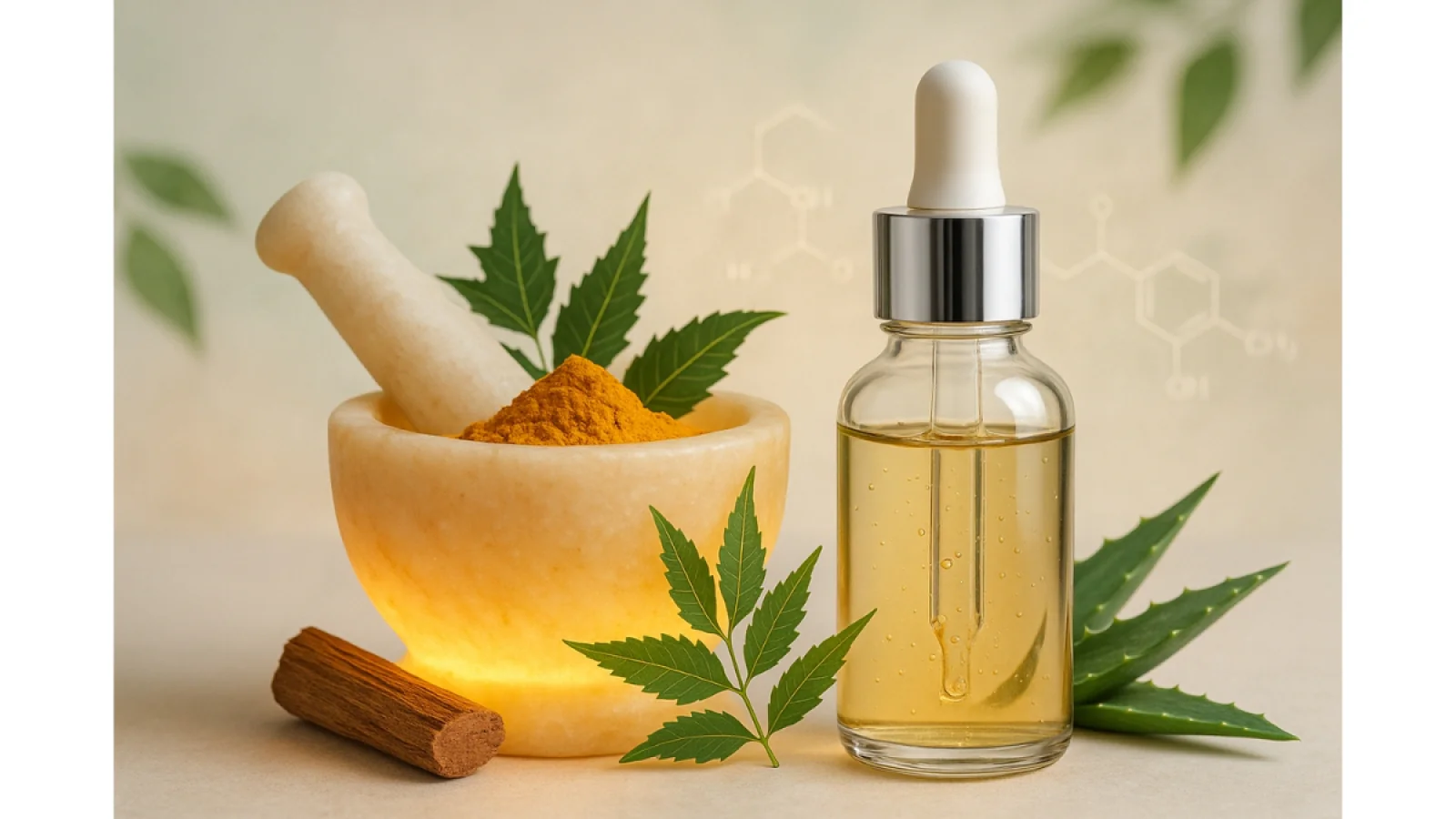
Turmeric (Haldi) Long prized for its anti-inflammatory properties, turmeric contains curcumin, which modern studies confirm reduces oxidative stress and bacterial overgrowth linked to acne.
Neem Traditionally used for purifying, neem has antifungal and antibacterial effects. It is now studied for its role in reducing acne-causing bacteria and calming irritated skin.
Daruharidra (Indian Barberry) Known in Ayurveda for detoxification, daruharidra contains berberine, which exhibits strong antimicrobial and anti-inflammatory effects. Researchers are exploring its potential in treating inflammatory skin conditions.
Ajwain (Carom seeds) Traditionally consumed for digestion, ajwain supports gut balance, indirectly benefiting the skin. Modern research confirms the gut-skin connection, making ajwain a powerful example of Ayurveda’s foresight.
Amla (Indian Gooseberry) Rich in vitamin C and antioxidants, amla has resurfaced as a natural anti-aging ingredient, supporting collagen synthesis and skin brightness.
Why the Comeback Now?
Several factors explain the renewed interest:
Scientific validation. Clinical studies are confirming what Ayurveda has claimed for centuries.
Consumer fatigue. After years of chemical-heavy products, consumers are seeking cleaner, plant-based solutions.
Cultural pride. Younger Indians are reclaiming Ayurvedic traditions as part of their identity.
Global demand. International beauty markets are increasingly embracing Ayurvedic and herbal formulations.
Bridging the Gap: Ayurveda + Modern Science
The real innovation lies not in simply reviving herbs but in integrating them with modern dermatology. Standardized extracts, controlled dosing, and evidence-based formulations ensure consistency and safety while preserving traditional wisdom.
For instance:
Encapsulation technology allows turmeric’s curcumin to be delivered more effectively.
Neem extracts are now used in clinically tested acne treatments.
Herbal blends are being studied alongside probiotics to treat skin-gut axis issues.
This scientific framing moves Ayurveda from anecdote to evidence.
Industry Adoption: The New Wave of Skincare
Skincare brands are rethinking their approach to product design. Instead of relying solely on synthetic actives, many are now combining Ayurvedic ingredients with modern delivery systems.
One such example is Clear Ritual, which integrates herbs like daruharidra and ajwain into routines backed by modern science. By marrying tradition with evidence, these platforms are showing how Ayurveda can be both timeless and timely.
Challenges Ahead
While the comeback is exciting, there are important caveats:
Standardization. Quality and potency of herbs vary widely unless properly regulated.
Evidence gaps. Some Ayurvedic ingredients need larger clinical trials to prove efficacy.
Consumer patience. Herbal regimens often take longer to show visible results compared to chemical quick-fixes.
Overcoming these challenges will be critical if Ayurveda is to establish itself as a permanent part of mainstream skincare.
A Heritage Reclaimed
Ayurvedic ingredients are not making a comeback because of nostalgia alone - they are returning because modern science is validating their relevance. From turmeric to daruharidra, these herbs are bridging tradition and innovation, offering consumers safer, more holistic options for skin health.
The message is clear: the future of skincare may not be about choosing between Ayurveda and modern science, but about integrating them. For India, this resurgence is more than a beauty trend, it is a cultural reawakening with global impact.
ST Webdesk Verified Media or Organization • 13 Apr, 2026Editorial Desk
Sangri Today is a News Media website that covers the latest news in National, Politics, Rajasthan, Crime, Sports, Entertainment, Lifestyle, Business, Technology, and many more categories.






























.jpeg)