Winter Diet Guide: The Most Nutritious Vegetables to Keep You Warm
Winter Vegetables Eating Benefits: The cold of winter has arrived, and seasonal fruits and vegetables are plentiful. Vegetables like carrots, radishes, and fenugreek are especially consumed during this season. Let's explore the benefits of these winter vegetables.
Muskan Kumawat Verified Local Voice • 13 Apr, 2026Journalist
October 25, 2025 • 1:12 AM 0
H
Health & Fitness
NEWS CARD
“Winter Diet Guide: The Most Nutritious Vegetables to Keep You Warm”
Winter Diet Guide: The Most Nutritious Vegetables to Keep You Warm
Winter provides us with a lot of healthy vegetables in terms of freshness and health. Eating them is not only tasty but also very good for our health. Seasonal fresh vegetables in this season give the body the necessary nutrients that make our immunity stronger and warm us up from the inside.
Radish
Radish is among the most popular and widely used winter vegetables. Be it in salads, parathas, soups, or curries, radishes are tasty in all forms. They remove toxins from the body and cleanse the liver. Radish contains vitamin C that aids in building collagen in the skin and enhances the immune system so that the body will be able to fight off infections.
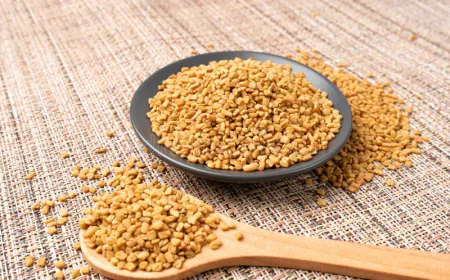
Fenugreek leaves taste slightly bitter but have many health advantages. They are iron-rich, thus are particularly good for people with anemia or a lack of blood. Its anti-inflammatory traits ensure healthy digestion and prevent bloating. Fenugreek also stabilizes the blood sugar levels, and thus is particularly good for diabetes patients.
Would you like to receive news updates on WhatsApp?
Carrots are a symbol of winter. No matter whether consumed in the form of soup, salad, or the popular carrot pudding, their taste and color are enthralling. Carrots are rich in beta-carotene, which is converted to vitamin A in the body. It is very helpful for the eyes and skin. The antioxidants in them guard the skin against wrinkles and pollution damage. Its vitamin C content also serves to guard the body against issues such as cold and flu.
Turnip
Turnip may not be a favorite vegetable for some, but knowing its benefits will surely make you want to start eating it. It's rich in fiber, which improves digestion and prevents constipation. It also has anti-inflammatory properties, which provide relief from conditions like arthritis. The glucosinolates in turnips help lower cholesterol and maintain heart health.
Spinach Spinach is one of the most popular winter greens. It's rich in iron and folate, which help increase blood volume and maintain energy. Spinach is rich in vitamins A, C, and K, which boost immunity, strengthen bones, and aid in calcium absorption. Whether added to soups or as a salad, spinach is nutritious in every form.
Bathua Bathua is a traditional Indian vegetable, available only in winter. It has a mild, earthy flavor, but its benefits are unmatched. It helps detoxify the body, especially for the liver and kidneys. Bathua is rich in both protein and fiber, which improves digestion and keeps the metabolism active. Being low in calories, it is also a great choice for those trying to lose weight.
Mustard Greens
It's not possible to talk of winter in North India and not talk of mustard greens. Their strong smell and taste make them unique. Mustard greens are high in calcium, which makes bones and teeth strong. They have vitamin C and omega-3 fatty acids, which improve cardiovascular health and reduce cholesterol.
Mushrooms
Even though mushrooms are not strictly vegetables, they are commonly utilized in winter. They are tolerant of cold weather and enhance the taste of food. Mushrooms are a natural source of vitamin D that helps make up for the sunlight deficiency in winter, as well as providing bone strength. The beta-glucans found in them make the immune system stronger and guard against infection. Additionally, the antioxidants help protect the body from the ravages of free radicals.






























.jpeg)