Try These Easy Homemade Ayurvedic Shampoos for Strong and Healthy Hair
Many people these days are afraid to use chemical shampoos, for the sulfates, parabens, and silicones within them eventually weaken one's hair. Thus, people seek out more natural, safer options.
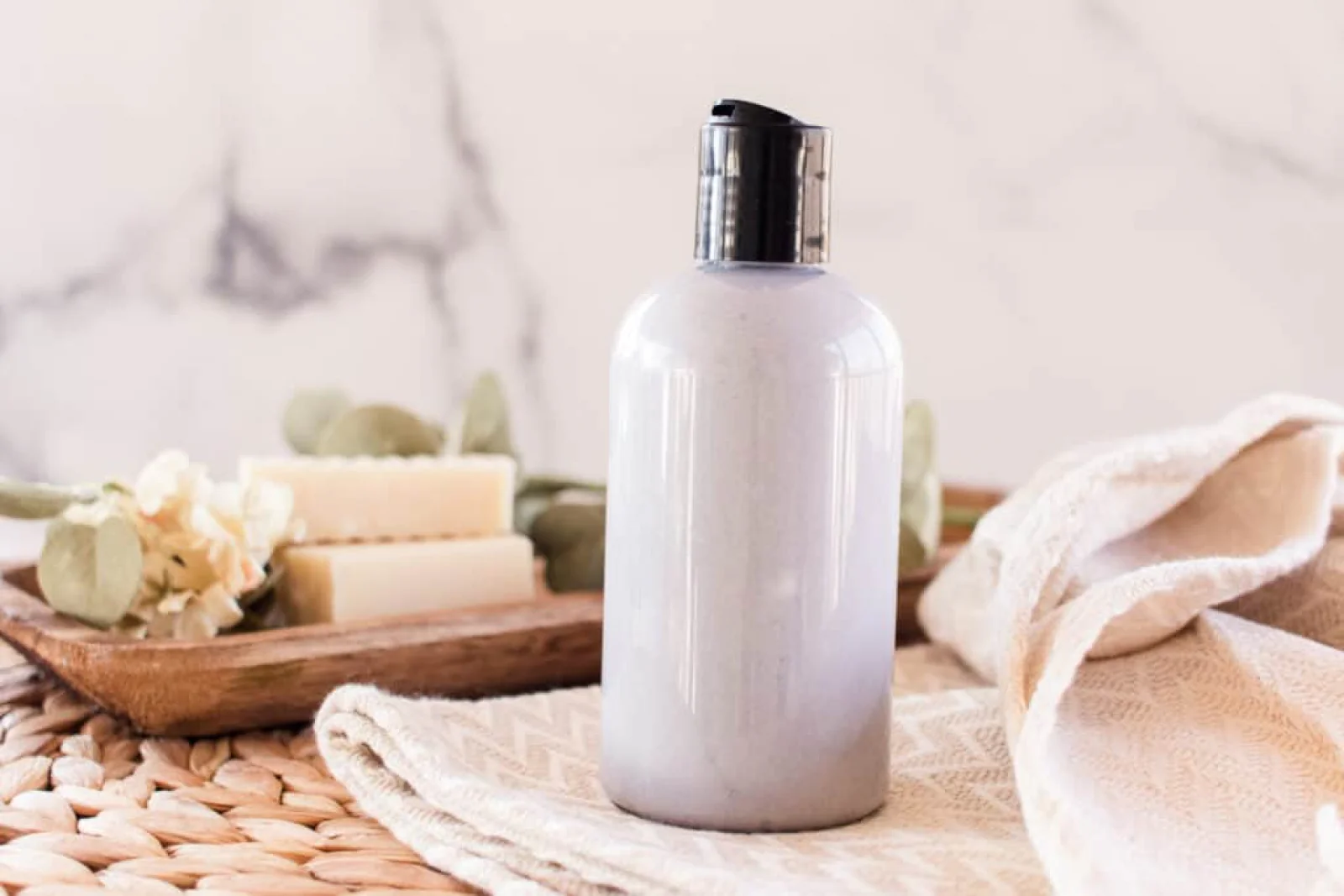
In this context, we will let you know about home-made Ayurvedic shampoos. Instead of only nourishing the roots, Ayurvedic shampoos help maintain a healthy scalp. The special feature is that they can be prepared at home. So, if you are worried about protecting your hair from hair loss, dandruff, dry scalp, or hair breakage, homemade Ayurvedic shampoos may be one of the best options for you. They are safe, effective, and inexpensive.
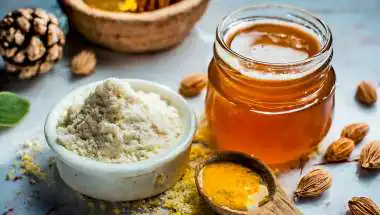
To prepare this, first take 10 Reetha (Soothing Root), 5 dried Amla (Indian Gooseberry), and 5 Shikakai (Shikakai). Soak them in water overnight. Boil this water in the morning until it reduces to half. Let it cool, then strain. Your natural homemade shampoo is ready. This shampoo gives hair a natural shine and strengthens the roots.
To prepare this shampoo, take 4 teaspoons of aloe vera gel in a bowl. Now add 2 teaspoons of lemon juice and a little water, and mix. Apply this mixture to the scalp by gently massaging. It keeps the scalp soft and helps reduce dandruff.
Fenugreek and Coconut Water Shampoo
To prepare this shampoo, first soak 2 teaspoons of fenugreek seeds overnight. In the morning, grind them and mix them with coconut water. Apply it to the scalp and rinse it off after 10 minutes.
Precautions that you need to take care of are as follows:
Perform a Patch Test: Always do a patch test before trying any homemade or Ayurvedic shampoo. Natural ingredients such as soapnut, amla, shikakai, aloe vera, or fenugreek might cause allergic reactions in some. Take a little of the mixture and apply it to the back of the hand or the neck. Let it stay for 10-15 minutes. If there is no itching, burning, or redness, you are safe using it on your hair.
Use Fresh Ingredients: Homemade shampoos have no preservatives, so using fresh ingredients is a must. Very stale aloe vera gel, long-stored soapnut water, or spoiled amla-shikakai can cause scalp infections, itching, or even hair loss. Always make the shampoo on the same day and never reuse the leftover mixture.
Choose ingredients according to scalp condition: Every person's scalp is different-some have oily, some dry, and some sensitive. Therefore, when making shampoo, choose ingredients based on your scalp. Those with dry scalps should use lemon in moderation, while those with oily scalps can use more aloe vera and fenugreek. If your scalp is already infected or dandruff is severe, it's best to consult a doctor before starting any home remedy.
Disclaimer: The information in this article is based on general information. The related article has been prepared to increase reader knowledge and awareness. Sangri Today makes no claims or assumes any responsibility for the information provided in this article. For more information on any skin-related issues, always consult a specialist or your doctor.






























.jpeg)