YouTube to Auto-Detect Photorealistic AI Content and Label It Without Creator Input
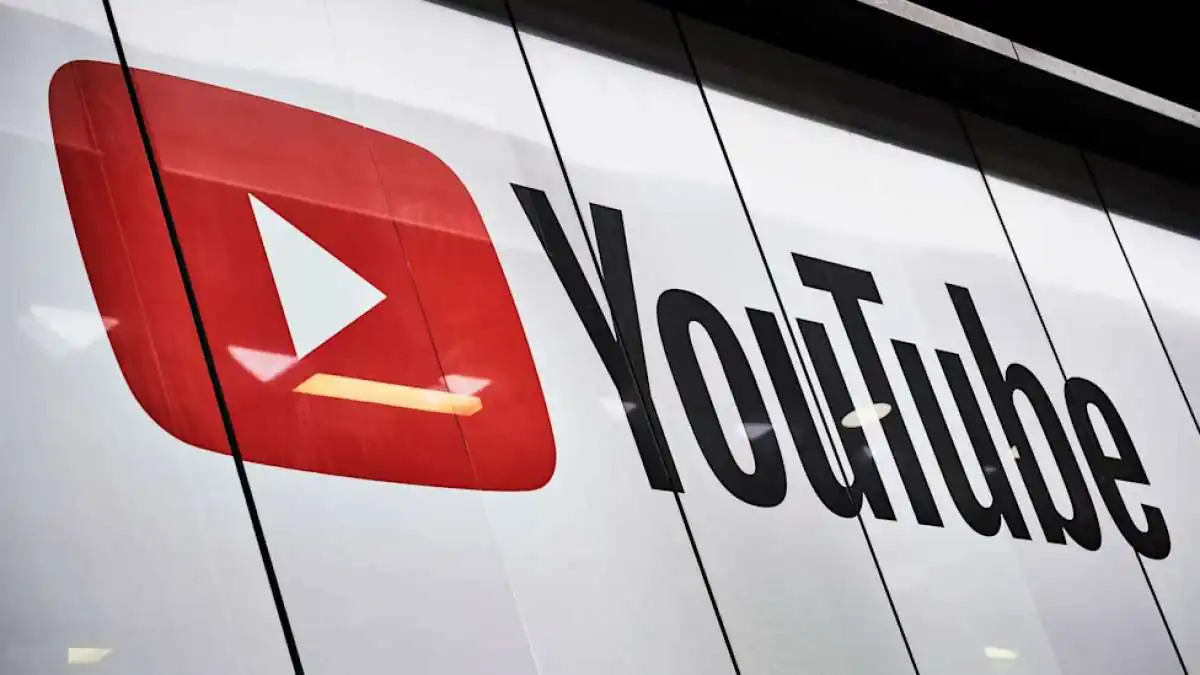
YouTube will now automatically recognize and label AI-generated videos, even if the video creator doesn't disclose that it was created using AI.
Muskan Kumawat Verified Local Voice • 13 Apr, 2026Journalist
May 28, 2026 • 11:50 PM
T
Tech
NEWS CARD
“YouTube to Auto-Detect Photorealistic AI Content and Label It Without Creator Input”
Read more onwww.sangritoday.com/s/1b4db9
28 May 2026
https://www.sangritoday.com/s/1b4db9
Copied
YouTube to Auto-Detect Photorealistic AI Content and Label It Without Creator Input
Videos created using AI have begun to pop up online, most frequently on platforms such as YouTube. There are certain “AI slop” YouTube channels where simply creating AI videos resulted in earning millions of rupees. Earlier, creators had to explicitly mention the use of AI for YouTube to label those videos. However, things are going to change for YouTube.
According to YouTube, it plans to automate labeling for AI detection, meaning viewers can know about the usage of AI in videos. However, do keep in mind that the automated labeling only works for videos involving excessive photorealistic AI (i.e., videos that appear realistic but are created with AI). Therefore, "sloppy" videos featuring animated characters will not be automatically labeled for now.
YouTube stated on its website that it is rolling out new internal signals to help identify AI-generated content. If a creator doesn't explicitly state that a video uses AI, but YouTube's system detects "extensive use of photorealistic AI," it will automatically label it.
However, YouTube states that in some cases, these disclosures will be permanent. This includes content created using YouTube's own AI tools, such as Veo and Dream Screen, and content with C2PA metadata indicating that the video is entirely made of generative AI.
Would you like to receive news updates on WhatsApp?
The platform also clarified that creators will still need to manually disclose when realistic AI is used. The disclosure label alone does not affect how a video is recommended or whether it is eligible for monetization.
YouTube is also changing where these labels appear. For long-form videos, the AI label will now appear directly below the video player and above the description. For Shorts, it will appear as an overlay above the video.
YouTube stated that the purpose of this updated labeling is to identify content that is photorealistic and may mislead viewers. On the other hand, content that is unrealistic or animated, or that has only minor alterations, will continue to have its disclosures in the expanded description as usual.
This update comes as YouTube has expanded the scope of other AI-related measures on the platform. Earlier this month, the company expanded its likeness-detection program to all creators aged 18 and over. The company says this is intended to help users understand and manage how AI is being used to serve content to them on YouTube.
For creators participating in this program, YouTube's system will identify videos that use altered or synthetic facial resemblances. They can then request the removal of such unauthorized content through YouTube Studio.


























.jpeg)