





























.jpeg)































































Oil Bathing: An Ancient Indian Practice Backed by Ayurveda and Siddha Medicine
Oil Bathing Benefits: In today's fast-paced lives, we adopt modern habits, but we are forgetting the power of our traditions. The centuries-old tradition of oil bathing in South India is one such ancient practice, which is still considered a strong foundation for health.




Although water bathing is a routine practice in contemporary society, oil bathing is considered a crucial practice in ancient Indian tradition with respect to healthcare. It is not only a mode of cleanliness in Ayurveda but also a mode to prevent diseases that help in retaining body equilibrium. According to the Ministry of AYUSH, oil bathing at regular intervals strengthens nerves, nourishes the skin and joints, and helps prevent many health problems. This is why this ancient bathing practice is still considered extremely beneficial for health.
Siddha medicine has been an age-old medical trove of South India, tracing its origin to Ayurveda. Hot oil baths are among the 11 key treatments of this medical trove. It is believed that undergoing regular oil baths enhances the body's resistance to diseases. Most importantly, it is a home remedy that can be practiced in your day-to-day life without any difficulties.
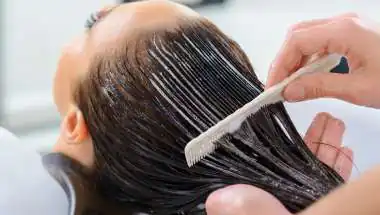
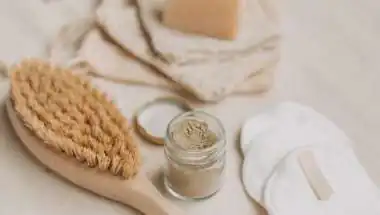
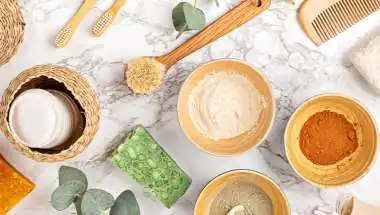
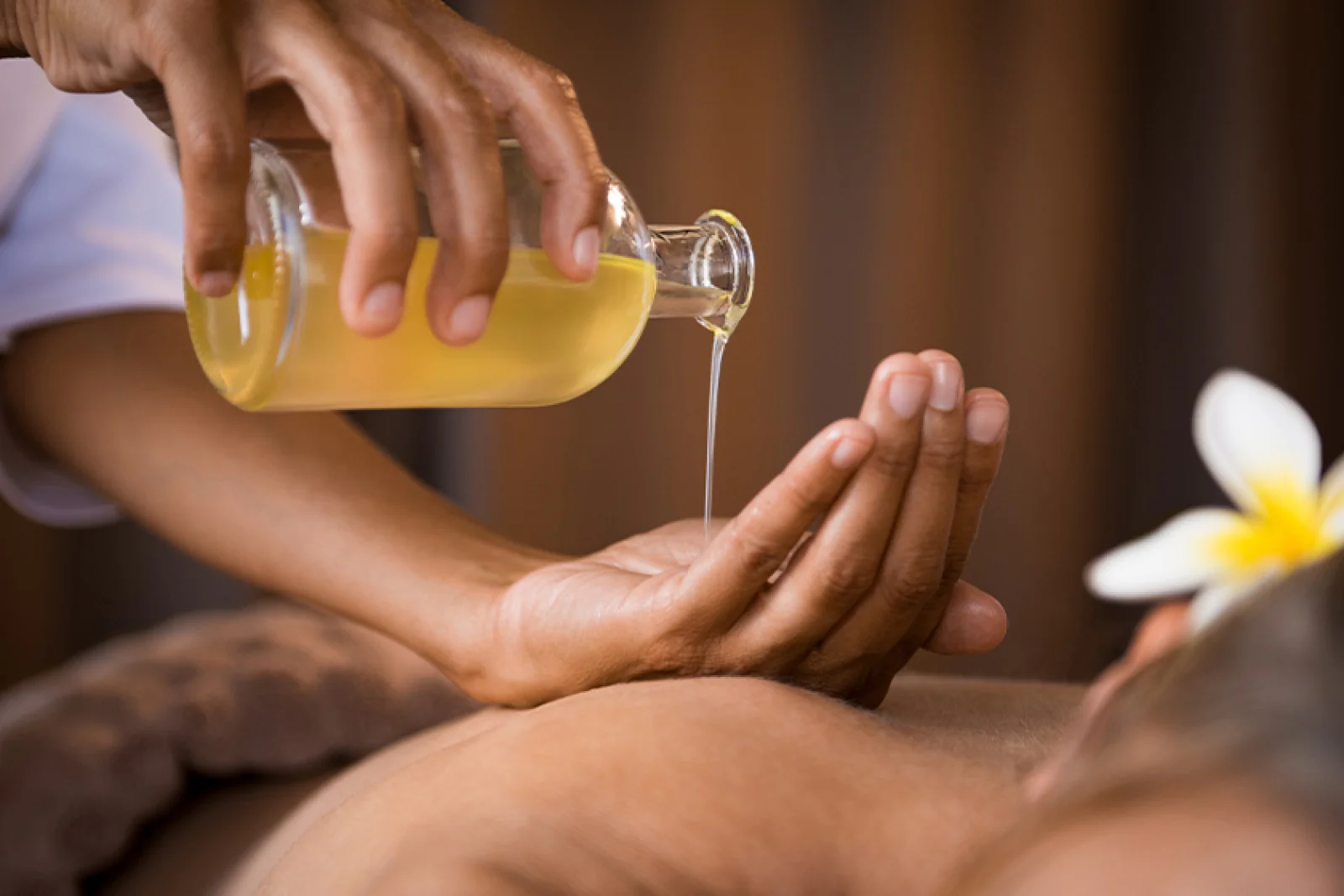
The proper way to take an oil bath begins with applying sesame oil or pure cow ghee to the scalp and the entire body. The oil should be gently massaged so that it absorbs well into the skin. After the massage, the oil is left on the body for some time to allow it to nourish and relax the skin. Once this is done, bathing should be done using a traditional herbal bath powder like Panchakarpam. This natural powder cleanses the body thoroughly, refreshes the skin, and removes the need for chemical soaps.
An oil bath is beneficial for many health-related problems and overall well-being. It helps strengthen the body’s immunity and protects against common colds and fevers, especially those caused by changing weather conditions. Regular oil baths also strengthen the muscles and nerves, supporting better physical strength and flexibility. They improve motor functions and help the body move more smoothly. In addition to these benefits, oil baths keep the skin healthy and nourished, support good eye health, and help maintain the proper functioning of other sensory organs.