
































































Why Coffee Prices Are Rising in 2026: Climate Change, Tariffs and Supply Problems
Despite rising coffee prices, its demand in the global market remains unchanged. There are many reasons behind this price increase, ranging from climate change to trade wars.

Muskan Kumawat Verified Local Voice • 13 Apr, 2026Journalist
June 2, 2026 • 12:59 AM
L
Lifestyle
NEWS CARD
“Why Coffee Prices Are Rising in 2026: Climate Change, Tariffs and Supply Problems”

Read more onwww.sangritoday.com/s/18fb48
2 Jun 2026

https://www.sangritoday.com/s/18fb48
Copied
Why Coffee Prices Are Rising in 2026: Climate Change, Tariffs and Supply Problems
The daily practice of drinking a freshly brewed cup of coffee is shared by numerous people worldwide. Nevertheless, the activity is turning out to be one of the costliest hobbies today. Thus, a bag of coffee that would cost $4.3 in 2020 now costs as much as $9.6.
Despite such a significant increase, global interest rates remain steady. A cup of coffee today reflects the world economy's situation, the problem of climate change, and trade wars. These are some reasons why the price of your beloved coffee goes up.
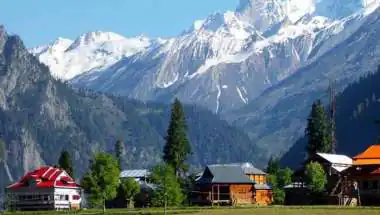
Coffee beans fall into two main categories, namely Arabica and Robusta. Arabica is grown on cool slopes in Brazil, Ethiopia, and Kenya, while Robusta is mostly cultivated in Vietnam.

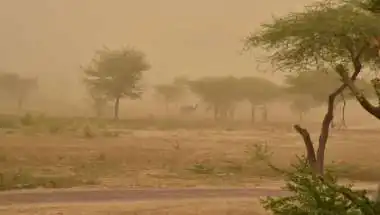
Due to bad weather conditions experienced over the last two years, production of both types of coffee beans was affected. Consequently, the average price per pound increased from $1.2 to over $4 or approximately ₹384. In addition, no rapid solution is expected.
Would you like to receive news updates on WhatsApp?
Aside from climate factors, the problem lies in US tariffs. As a result, import tariffs were imposed on coffee beans produced in Vietnam (up to 46%), Indonesia (32%), and Brazil (50%). In turn, this led to a 17% increase in ground coffee prices and an even greater raise in instant coffee prices in the USA.
Longer Ship Detours and Stricter Regulations
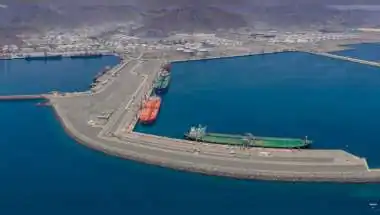
This international crisis continues to affect the global economy, particularly coffee supply chains. With attacks in the Red Sea, ships have to go around Africa, thus covering an extra distance of about 4,000 miles. In addition to this, European regulations are becoming increasingly tough in terms of requiring proof that farmers did not engage in deforestation during coffee production.
Prices Rise, But Demand Has Not Decreased
What should be emphasized is that despite many limitations, difficulties, and increased prices, the demand for coffee does not diminish. Various challenges related to coffee supply chains and climate change can make prices go high; however, coffee is perceived as much more than just a beverage.