



























.jpeg)































































India’s Millet Consumption Rises Sharply as Families Shift Toward Healthier Diets
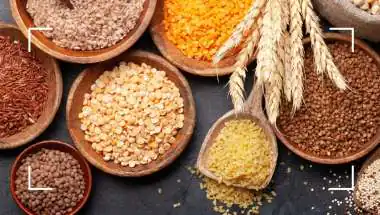
Millets: 70 percent of households regularly consume millets in some form or another in their diet. These include ragi, bajra, sorghum, barley, and maize. People are also opting for makhana, chickpeas, puffed rice, bhel, and peanuts for light evening snacks.


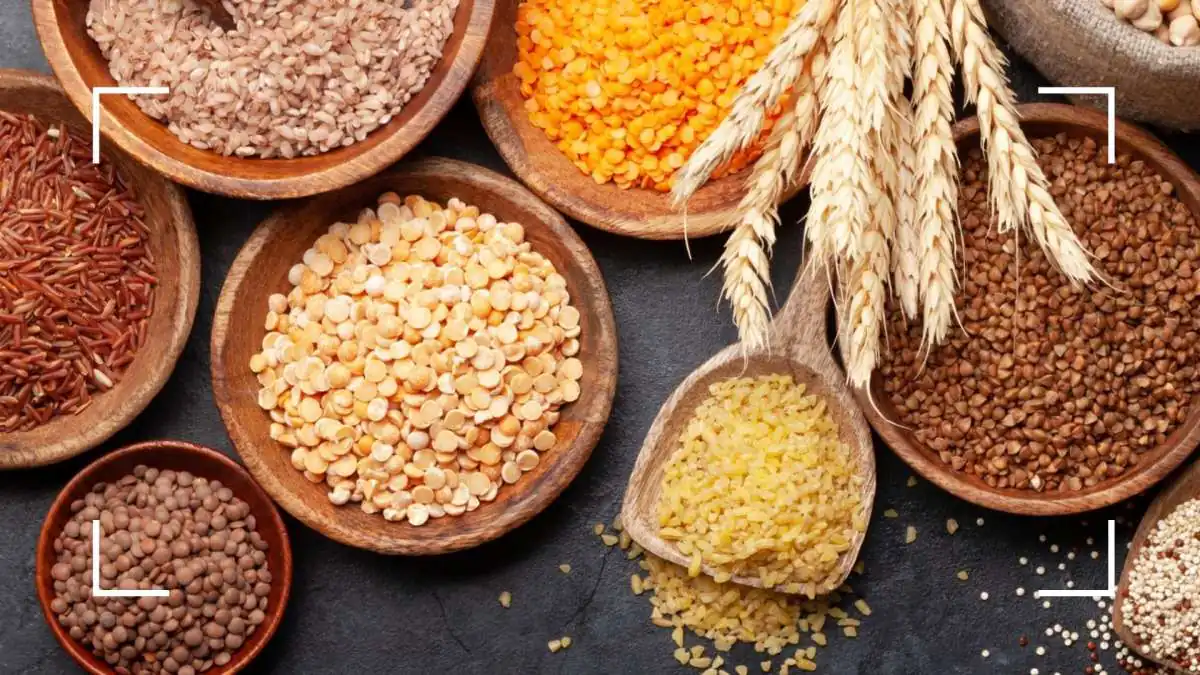


Millets, also known as shrianna, are no longer just traditional or seasonal grains in the country. They have become an important part of the Indian family's diet. A report by the survey company LocalCircles shows that 70 percent of households regularly consume millets in some form or another in their diet. These include ragi, bajra, sorghum, barley, and maize. People are also opting for makhana, chickpeas, puffed rice, bhel, and peanuts for light evening snacks.
The report also revealed that people are adopting coarse grains not only for taste but also for health. Approximately 43 percent of people believe they eat coarse grains for health reasons. While 30 percent said they added variety to their diet, 15 percent included them for religious fasting, and some others included them due to local availability.
The study reveals that 68 percent of families have demanded the inclusion of coarse grains in the government's public distribution system. They argue that coarse grains should be included in the same proportion as rice and wheat. The report claims that this survey was conducted in 346 districts across the country, in which the opinions of more than 44,000 people were sought. Of these, 48 percent of families admitted to consuming ragi, 32 percent to jowar, while 23 percent still do not include coarse grains in their diets.
Yogesh Ganatra, President of the Masala Meva and Kirana Association, says, "Since COVID, people are becoming more health-conscious. Like before, people are returning to coarse grains. Currently, for light evening snacks, people prefer to eat makhana, gram, puffed rice, bhel, and peanuts. Demand for these has increased recently." Shankar Thakkar, National Secretary of the Confederation of All India Traders (CAIT), says, "The campaign to promote coarse grains, or 'shreeanna', in the country has been gaining strength for the past few years. Demand for coarse grains has also increased after the Prime Minister appealed to citizens to include them in their daily diet."