





























.jpeg)

































































AI Won’t Eliminate White-Collar Jobs Soon, Says Former Reserve Bank of India Governor Raghuram Rajan
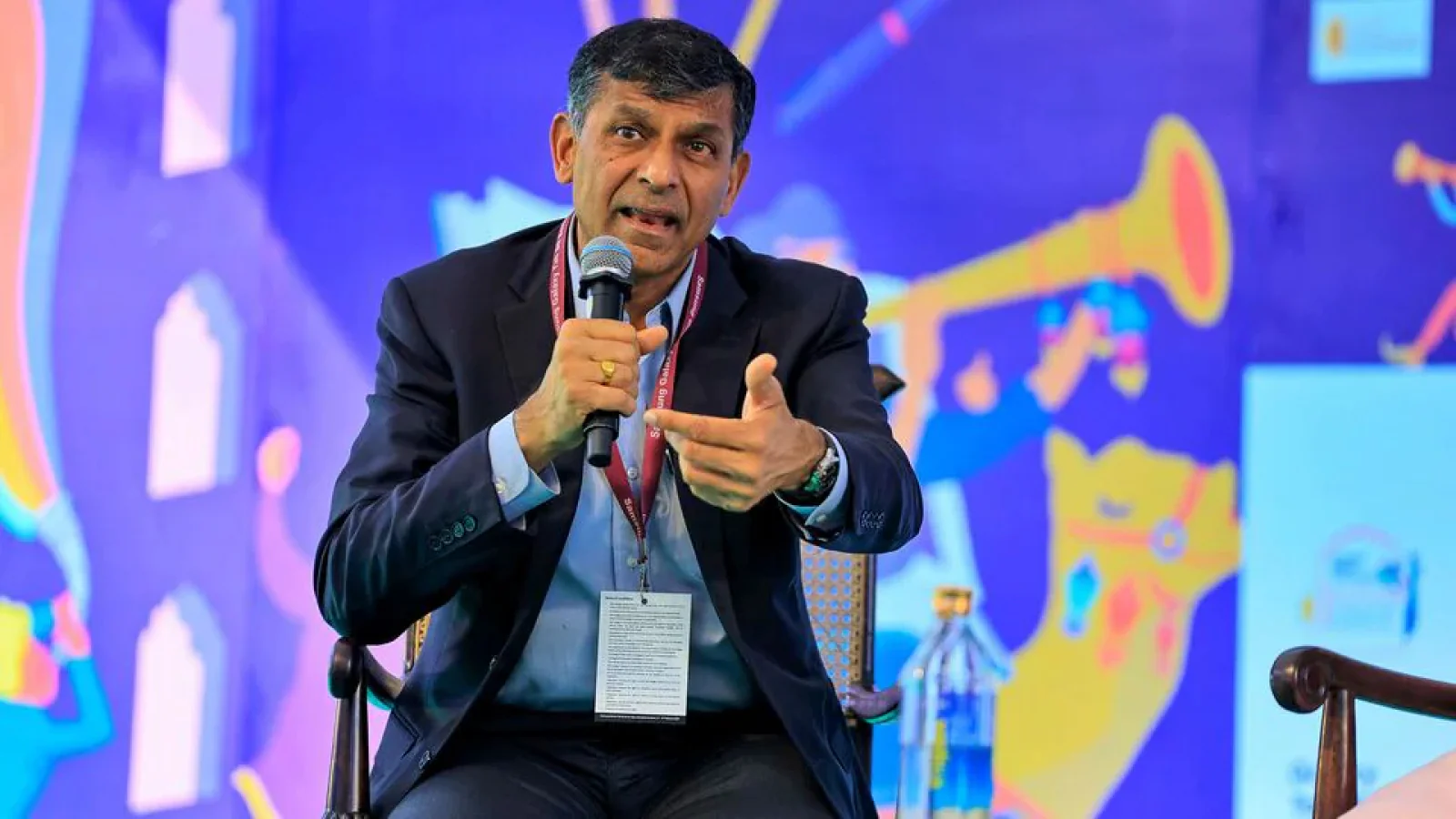
Former Reserve Bank of India Governor Raghuram Rajan has said that the impact of Artificial Intelligence (AI) is being exaggerated and that white-collar jobs won't disappear in the next few years.

B
Business
NEWS CARD

“AI Won’t Eliminate White-Collar Jobs Soon, Says Former Reserve Bank of India Governor Raghuram Rajan”

Read more onsangritoday.com
15 Mar 2026

The impact of Artificial Intelligence is being overhyped, and white-collar jobs are not going to disappear in the next few years. This is what former Reserve Bank of India Governor Raghuram Rajan has to say on the matter.
In a recent article published on Project Syndicate, he explained how the rate of change depends on various factors like the adoption of technology, competition in the market, and government policies.
Rajan further stated, "New technologies typically take longer than predicted to spread across various industries."
He added, "Except in a few areas like software, various challenges and resistance to change often slow the adoption of new technologies."