




























.jpeg)

































































Strait of Hormuz disruption: UK, France, Japan warn Iran over attacks
Britain, France, Germany, Italy, the Netherlands, and Japan issued a joint statement strongly condemning Iran's actions and expressing their readiness to contribute to "appropriate efforts" to ensure safe navigation through the Strait.


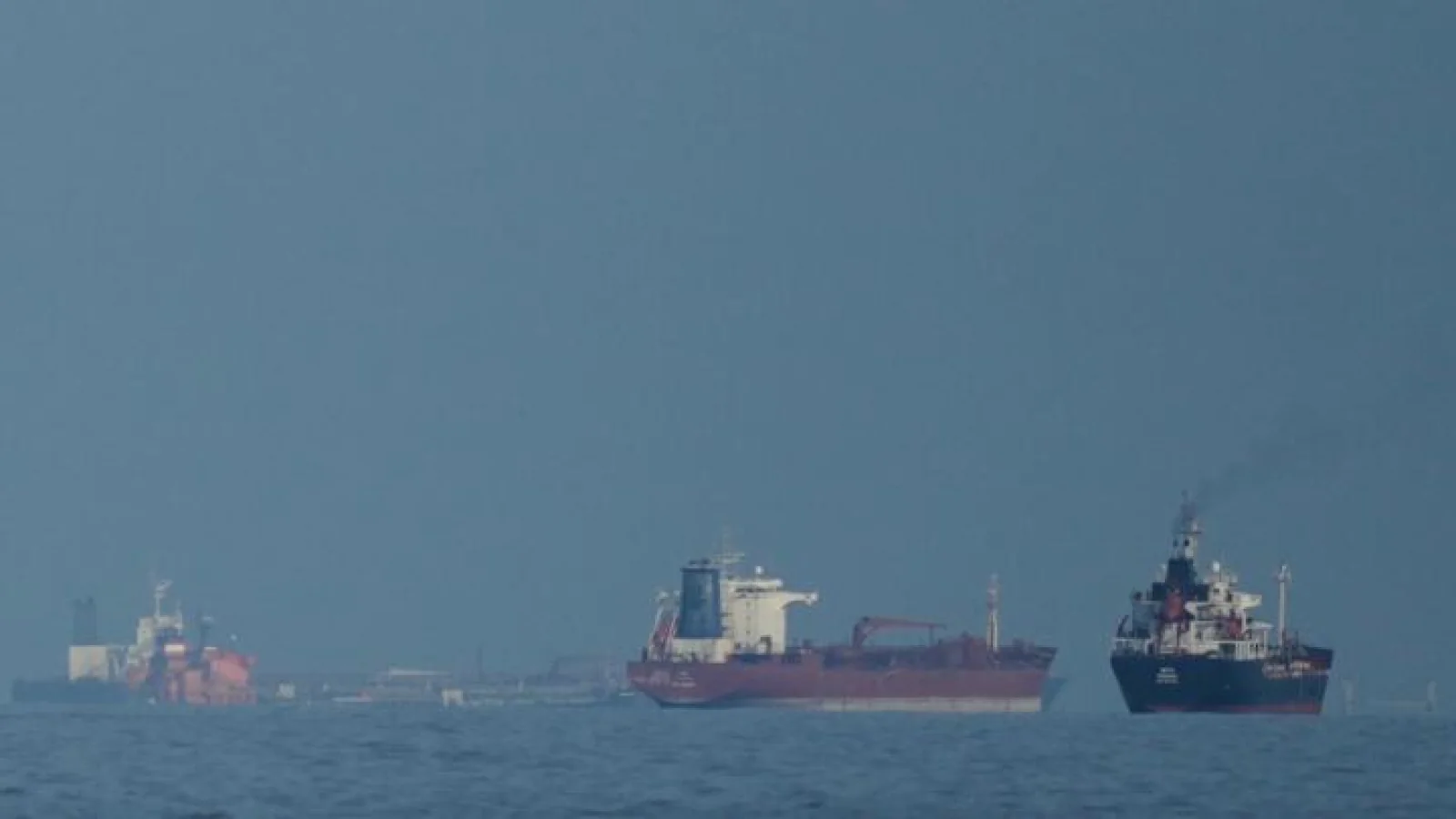


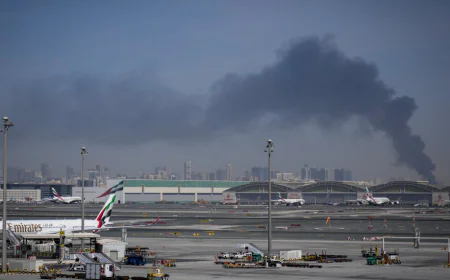
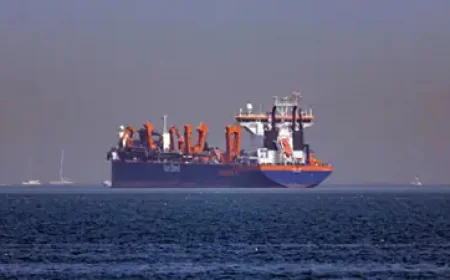
The Strait of Hormuz remains largely closed on day 20 of the conflict with Iran, which is affecting global energy supplies.
Meanwhile, Britain, France, Germany, Italy, the Netherlands, and Japan have jointly made a statement. In this, they have strongly condemned Iran’s actions and said they’re ready to help with steps to ensure safe passage of vessels through the Strait.
The joint statement, issued by British Prime Minister Keir Starmer's office, said, "We call on Iran to immediately cease its threats, mine-laying, drone and missile attacks, and other attempts to block the Strait for commercial shipping."
The leaders stressed that freedom of navigation is a fundamental principle of international law and that the disruption of global energy supply chains by Iran's actions poses a threat to international peace and security.