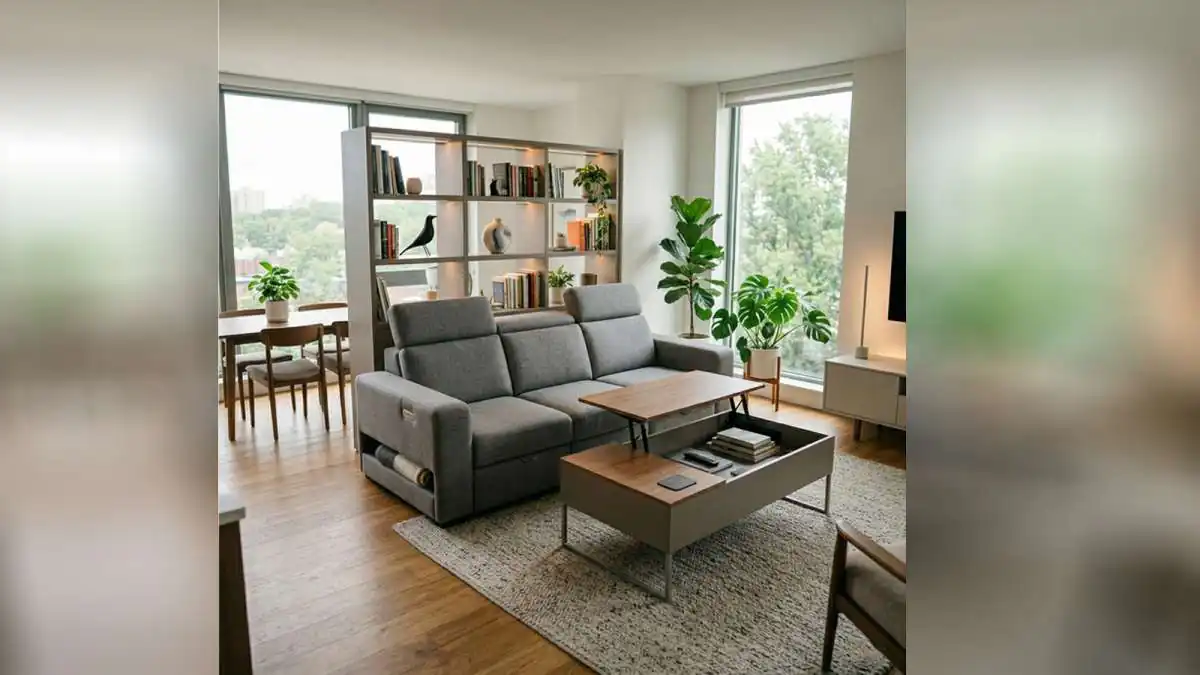
Creating a Stylish and Practical Living Space with Smart Furniture Choices
Create a stylish and practical living space with smart furniture choices that enhance comfort, improve layout, and maximize functionality.
Brand Media Verified Media or Organization • 13 Apr, 2026Brand Desk
April 15, 2026 • 4:59 PM
L
Lifestyle
NEWS CARD
“Creating a Stylish and Practical Living Space with Smart Furniture Choices”
Read more onwww.sangritoday.com/s/5379f5
15 Apr 2026
https://www.sangritoday.com/s/5379f5
Copied
Creating a Stylish and Practical Living Space with Smart Furniture Choices
Designing a Living Space That Combines Style and Functionality
Most of the time, a living space doesn’t feel uncomfortable because of one big mistake. It’s usually small things. A table that’s slightly in the way. A sofa that looks good but isn’t that great to sit on for long. Or just a general feeling that the room looks fine, but doesn’t really work.
That’s where furniture choices start to matter more than people expect. Not in a dramatic way, but in small, everyday ways. The kind of sofa set design you pick affects how you sit, how people gather, even how long you stay in the room. A side table, something so basic, ends up being one of the most used things without you even noticing it.
You don’t really need a “perfect” setup. You just need things to make sense when you use them. That’s when a space starts feeling comfortable without trying too hard.
Selecting Multipurpose Furniture for Maximum Utility
There’s a point where adding more furniture stops helping and starts making things harder. That usually happens when every piece has only one job, so you keep adding more to cover different needs.
A sofa that can open into a bed is one of those things you don’t think about daily, but it helps a lot when needed. Guests come over, and suddenly you don’t have to rearrange the whole house.
Same with foldable tables. You use them when you need extra space, and the rest of the time they’re not in the way. Storage ottomans are another simple example. They don’t look like storage, but they quietly take care of small clutter.
You don’t need too many of these. Just one or two smart choices can reduce the need for extra furniture altogether.
Choosing Furniture Based on Room Size and Layout
A lot of setups go wrong here, honestly. Something looks great in a picture or showroom, but once it’s placed at home, it just doesn’t sit right.
Rooms have their own limits, and it helps to respect that. A large sofa in a tight space will keep getting in your way. You’ll start walking around it instead of using the space freely. On the other side, if everything is too small, the room can feel oddly empty.
It’s not just about size, though. Placement matters just as much. If you have to think while walking through the room, like adjusting your path or squeezing past something, then the layout needs fixing.
Leaving some empty space is not a bad thing. It actually makes the room easier to live in. People often try to “use” every corner, but sometimes it’s better not to.
Coordinating Colors, Textures, and Materials
This part sounds more complicated than it actually is.
You don’t have to match everything perfectly. In fact, when everything matches too much, it can start to feel a bit stiff or unnatural. Real homes usually have a mix.
A fabric sofa with a wooden table, a plain base with a few textured cushions, these small differences make the space feel more real. You don’t have to plan every detail.
Colours also don’t need overthinking. Just keep them in a similar range so nothing feels out of place. If one piece stands out too sharply, it can throw the balance off.
It’s less about making things look impressive and more about making them feel settled.
Enhancing Functionality with Smart Accessories
The smaller things in a room are often the most used.
A side table is a good example. At first, it feels optional. But once it’s there, you realise how often you rely on it. Keeping your phone, a cup, or just having a place to put things without thinking twice.
Lighting also changes how the room feels, especially in the evening. One softer light in a corner can make the whole space feel calmer compared to bright overhead lights.
Rugs, cushions, small shelves, they all help, but only if you don’t overdo them. Too many things, even if they look nice individually, can make the room feel busy.
It’s better to add slowly and stop before it starts feeling crowded.
Conclusion: Achieving a Comfortable, Stylish, and Efficient Living Space
At the end of the day, a good living space is not about how it looks in one glance. It’s about how it feels when you spend time in it.
If the sofa set design fits the room and feels comfortable, if the side table is right where you need it, if you can move around without thinking about it, that’s already enough.
Most of this comes from small adjustments, not big changes. You don’t need to redo everything. Just paying attention to what works and what doesn’t is usually enough.
When a room starts working without effort, you notice it. And once it gets there, you don’t feel like changing it again and again. That’s when you know it’s done right.






























.jpeg)