



























.jpeg)





























































Why mAh Isn’t Everything: Hidden Factors That Decide Your Phone’s Real Battery Life
When purchasing a smartphone, consider the battery, processor, display, and charging technology in addition to the battery. Silicon-carbon batteries and high-refresh-rate displays are popular these days, but they impact battery consumption. The latest processors and good thermal management improve battery life. It's not wise to buy a phone based solely on its mAh.




Whenever we go to the market to buy a new smartphone or order online from an e-commerce platform, we always look at a few things about the smartphone, such as its camera, processor, and battery life. It's often thought that the higher the mAh battery, the longer the phone will last. However, the truth is that battery life isn't solely dependent on mAh. Many factors directly impact battery life, revealing a reality that is often quite different from what you might expect. So, if you're buying a phone solely based on its 6000 or 7000mAh battery, be sure to know these things first...
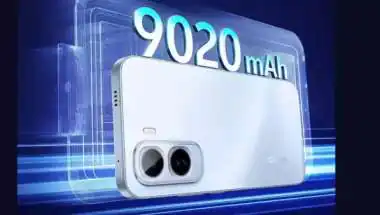
These days, many smartphone companies are using new battery technologies like silicon-carbon, which makes it possible to offer larger batteries in compact form factors. You can easily find phones with large batteries ranging from 6000 to 7500mAh in the market, but it's not necessary that all of these phones will last as battery life depends entirely on the phone's hardware and software tuning.
These days, you can find high refresh rates on almost every smartphone. Some phones offer refresh rates ranging from 120Hz to 144Hz, and even up to 165Hz in recent phones. This makes the phone smoother but drains battery significantly. Furthermore, QHD+ displays consume more power, while Full HD displays consume less battery. If you need more power, it's better to buy a phone with an adaptive refresh rate or optimized brightness.
The phone's processor determines how efficiently the battery should be used. Devices with the latest chipsets have become more power-efficient. If the phone's processor is too old, you may experience poor battery life despite having a large battery. This can be especially frustrating during gaming and multitasking.