


























.jpeg)




























































United States Allows Temporary Russian Oil Trade to Stabilize Prices
West Asia: Amidst West Asia tensions, the US has issued a 30-day exemption for Russian oil transactions, but has excluded North Korea, Cuba, and Crimea. This is aimed at controlling rising energy prices. Let's explore the details.


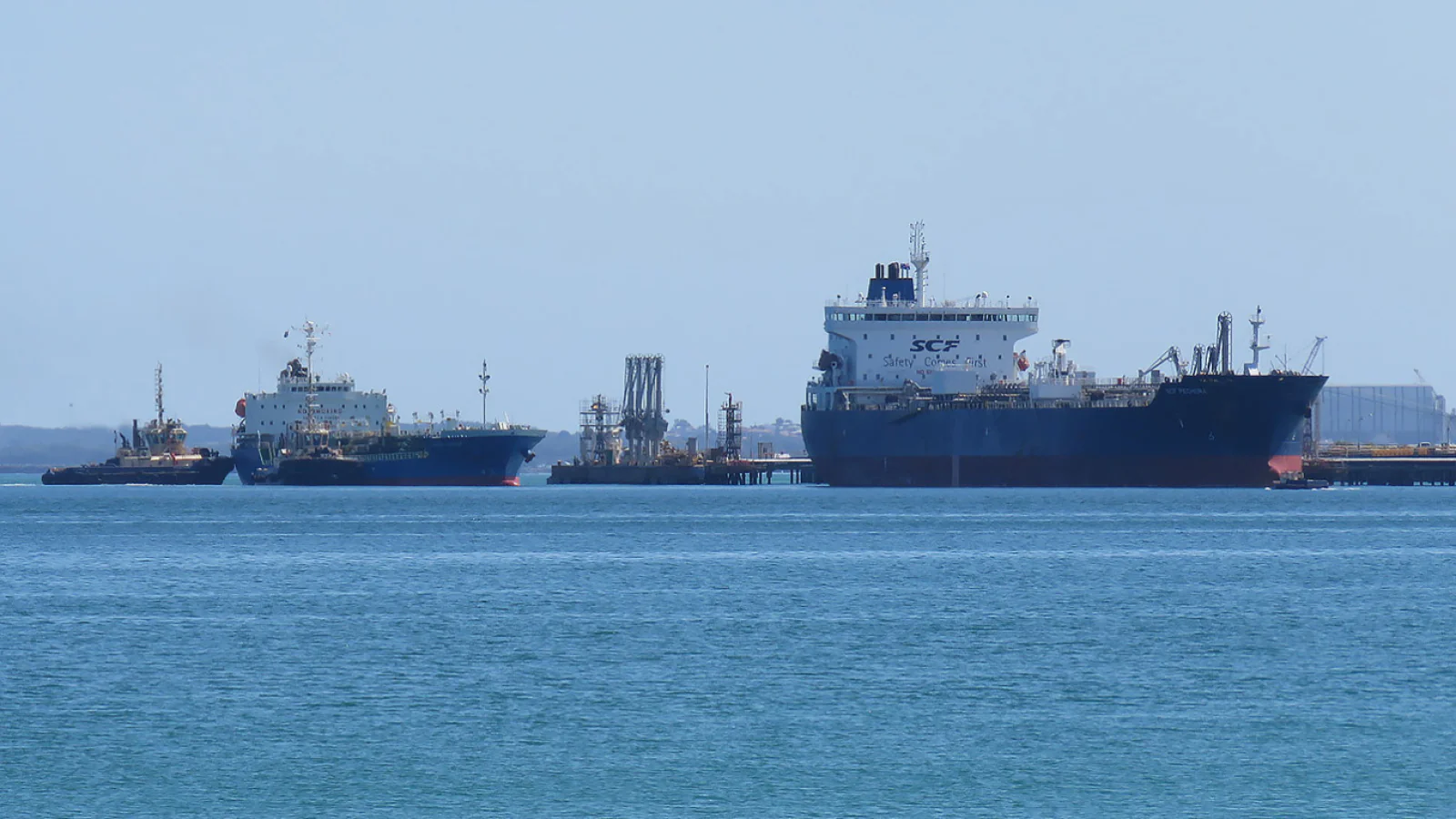


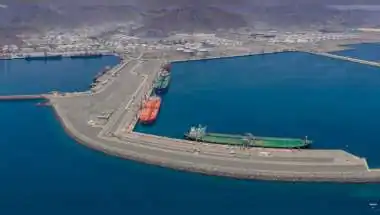
Amidst tensions in West Asia, the US has issued a new general license for the sale of Russian oil and Russian oil products for 30 days.
According to a Reuters report, this new exemption, issued by the US Treasury Department on Thursday, will be valid until April 11. It allows transactions involving Russian oil shipments loaded onto tankers by March 12. This new license replaces an earlier order issued on March 12. However, the new exemption also imposes some explicit restrictions. It excludes any transactions involving North Korea, Cuba, and Crimea.
This decision comes at a time when oil and gas prices are experiencing a sharp surge due to the ongoing conflict in West Asia. This is being seen as an attempt by the US administration to stabilize energy prices.