




























.jpeg)
























































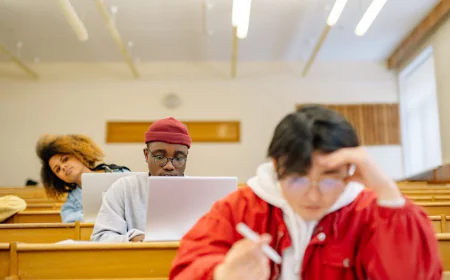




Social media is ruining the mental health of youth, one hour break is very important
Social Media: Everyone is using social media today. If anyone has to give a message to the world, then he is reaching on social media only, but no one is talking about the side effects of social media.





Today, everybody is on social media. If anyone wants to send across a message to the world, he reaches out only on social media, but nobody is talking about the side effects of social media. Do you know how social media kills your health? You are going to be shocked to know that due to social media, the mental health of the youth all over the world is deteriorating.
A study conducted by the popular media journal PSYCNET suggested that limiting their social media use could improve the mental health of young adults. The researchers kept in mind those who had become emotionally weak and conducted this study. The study resulted in showing that reduced screen time at least by an hour every day for three weeks resulted in a reduction in depression, anxiety, and fear.
It is during adolescence and young adulthood that transitional times occur in life socially, physically, and emotionally. Hence, they become more vulnerable to problems regarding mental health. Statistics have revealed that every year, 20% of all young people are being diagnosed with a mental disorder, and the most prevalent entities of these disorders include depression and anxiety.
This experiment involved 220 frequent undergraduate social media users, led by researchers from Carleton University. The experiment began with participants experiencing a week of normal social media use and then was divided into two groups for three weeks. One group was asked to restrict their social media use to no more than one hour daily.