



























.jpeg)
















































Isometric Exercises Explained: How Staying Still Can Lower Blood Pressure Better Than Cardio
Isometric Exercise: In today's article, let's explore in detail what isometric exercises are, how they're performed, and their benefits.


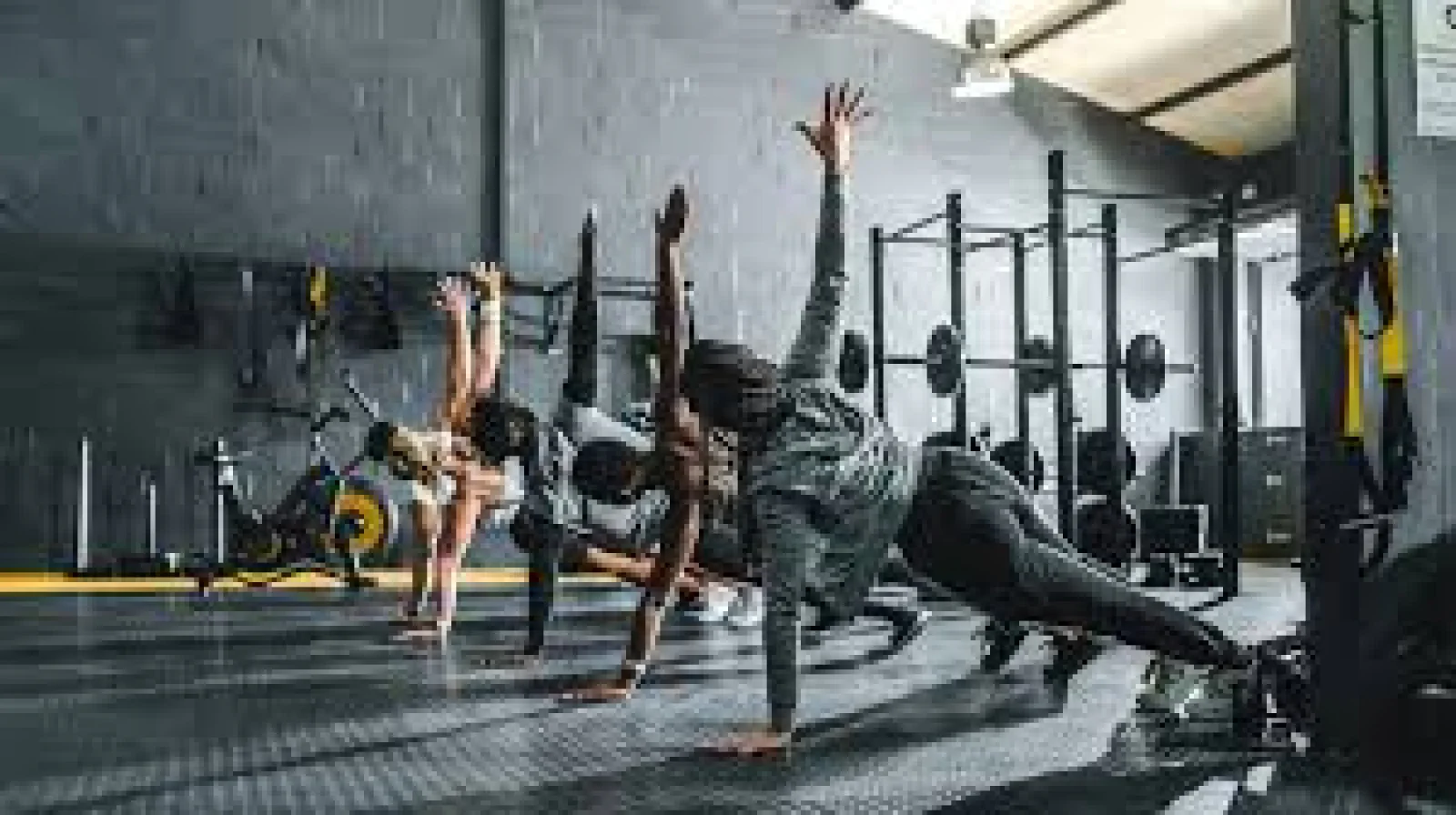


Most people do not have enough time to spend in the gym. Therefore, they avoid going to the gym for exercising and assume that fitness involves running on a treadmill or pumping iron. However, recent studies indicate that one does not need to move to achieve good health. This is called isometric exercise. In today's article, let's explore in detail what isometric exercises are, how they're performed, and their benefits.
A number of scholarly works on isometric exercises were investigated between 1990 and 2023. In an experiment involving 16,000 subjects, it became clear that isometric exercises were more effective than HIIT and cardio. Regular exercise reduced blood pressure levels by 4.49/2.53 mmHg, whereas isometric exercises led to a reduction in blood pressure levels of 8.24/4.00 mmHg, which is comparable to the effectiveness of medication.
During isometric exercise, the muscles in particular positions compress adjacent blood vessels. As a result, the process of oxygen consumption and accumulation of metabolic products occurs. When switching from isometric exercises to another position, blood flow is restored almost immediately. Repeated repetition increases the flexibility of the vessels and improves heart function. Additionally, it activates the motor units in the brain and nerves, helping the elderly get up from a chair or athletes improve their performance.
The best part about this workout is that it doesn't require expensive equipment or a gym. You can do it indoors, at the office, or anywhere. There's no hassle of going outside or inclement weather, and it doesn't involve excessive sweating. It's also beneficial for those with joint or mobility issues who can't perform exercises like running or weightlifting.