



























.jpeg)




























































From File Transfer to Reverse Charging: Hidden Powers of the Type-C Port
USB Type-C Port Features: The Type-C port on a smartphone is often used solely for charging, but its capabilities go far beyond that. From power sharing to watching videos on a larger screen, this small port can simplify everyday tasks.


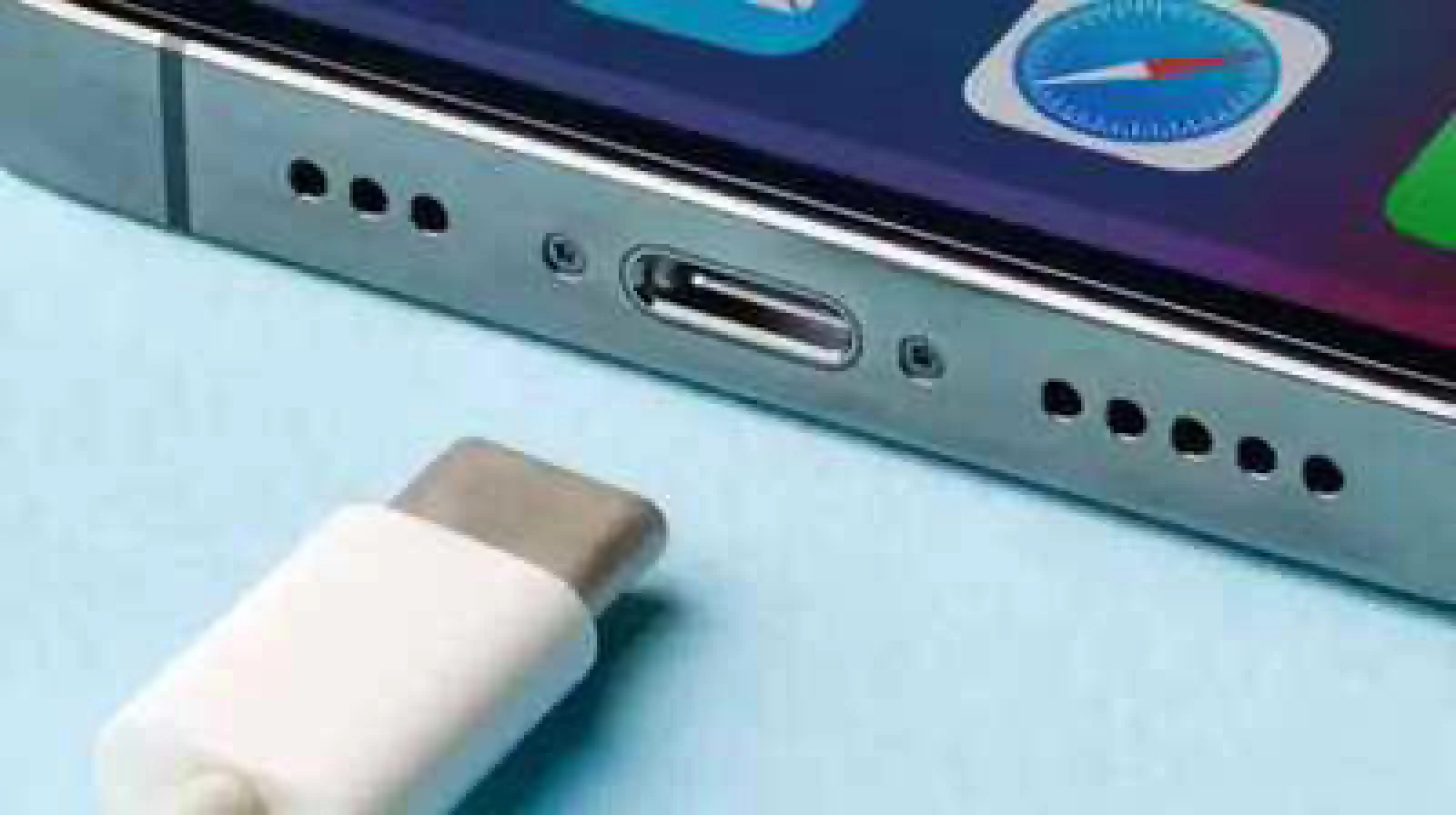


Most people consider the small Type-C port on the bottom of their phone simply a means of charging the battery. Plug in the cable, charge the phone, and then remove it. But the story doesn't end there. The truth is that this same port can perform many functions that previously required separate cables, ports, or extra devices. These features aren't hidden in expensive accessories or behind complicated settings; they remain hidden from view due to a lack of knowledge. Let's take a look at 5 of the best features of a phone's Type-C port.
It may sound strange, but many modern smartphones support reverse charging via the Type-C port. This means that a Type-C port not only charges your phone, but can also charge other devices if needed. A Type-C to Type-C cable enables you to quickly charge wireless earbuds, a fitness band, or another device in an emergency. This is a very useful feature in difficult times.
Wireless options like Quick Share or AirDrop are convenient, but transferring large videos or files can take time. Data can be transferred by connecting two phones directly with a Type-C port. One phone accesses the other's storage, allowing for fast and reliable file transfers. This remains one of the fastest methods for large data transfers.
External devices can be connected to your phone using a Type-C port. A keyboard and mouse can be connected via a USB or Bluetooth dongle. This setup is extremely useful for writing long emails, editing documents, or operating your phone with a mouse in the event of a broken screen. Some smartphones even offer a desktop-like interface when connected to an external display.