



























.jpeg)
































































India Can Lead Global Digital Infrastructure with Data Embassies Model: PwC
Report: According to a PwC report, India can become a trusted digital hub by adopting new models like Data Embassies and Data Cities. Through Data Embassies, India will be able to securely host critical data for foreign governments and organizations. Data Cities will also facilitate the integration of data centers, cloud, AI, and digital services.


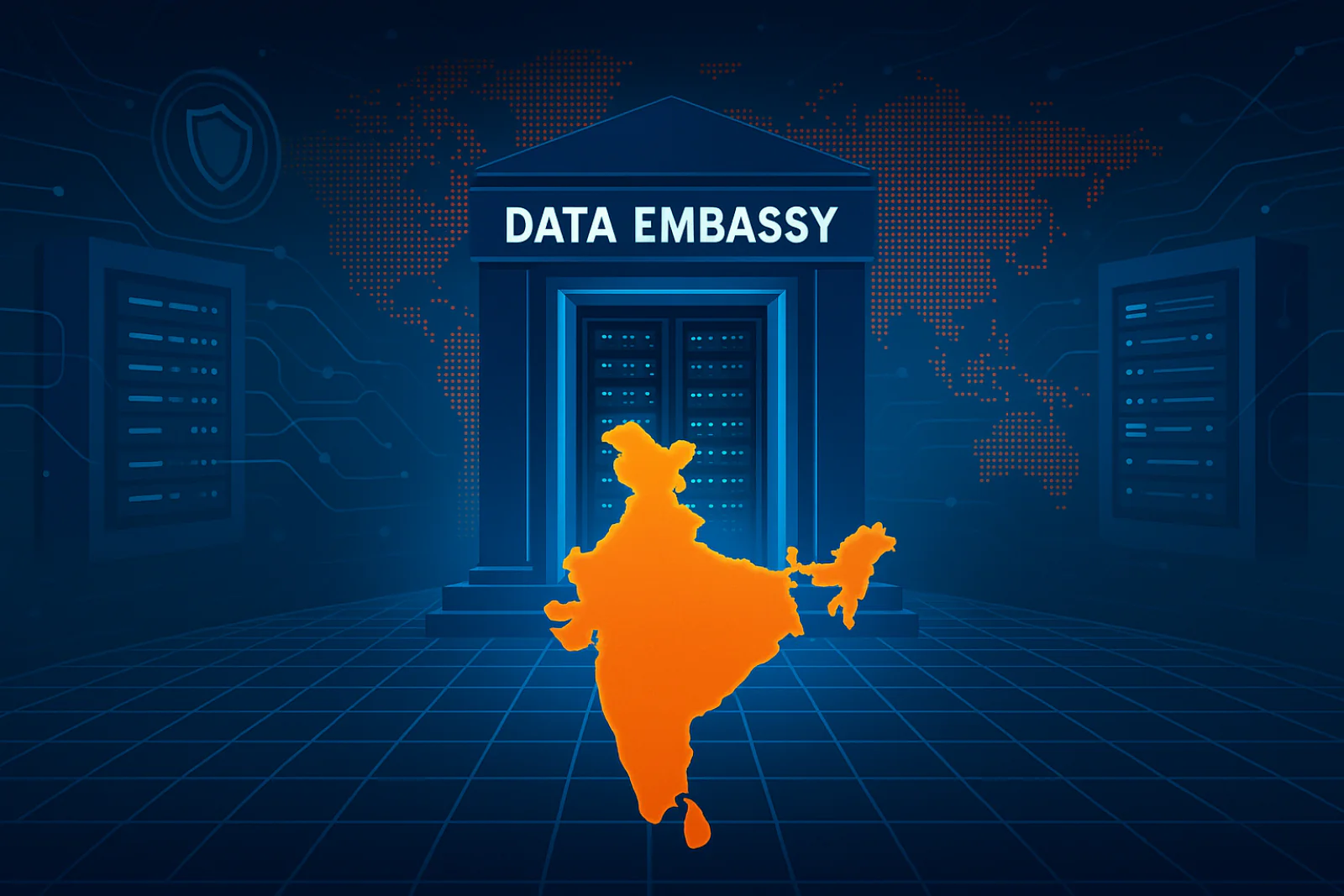


A major opportunity lies within India to play a leading role in innovation related to digital infrastructure globally. According to a new PwC report, if India adopts emerging models like Data Embassies and Data Cities, it can become a trusted digital hub for the world.
As reported, a 'Data Embassy'-like arrangement can be made available by India to foreign governments in international bodies. It will need a tax-free zone, sovereign immunity provisions, and robust cybersecurity guarantees. Therefore, by doing so, India can emerge as a trusted country for hosting important data on foreign lands.
The development of data cities is also advocated by PwC. The data cities will be special cities or hubs that will host data centers, cloud service providers, AI labs, and digital services that will be governed by a single policy and taxation framework. Targeted incentives, regulatory sandboxes, and ready infrastructure will make it easier for companies to start and expand their businesses in India.
According to the report, the combined impact of data embassies and data cities will create a robust ecosystem that will attract global capital, accelerate innovation, create quality jobs, and strengthen India's position in the global digital value chain.