



























.jpeg)































































Beware! Fake Netflix Payment Links Draining Bank Accounts, Govt Issues Warning
Netflix Payment Scam: The Indian government has warned Netflix users about a new and dangerous payment scam. Fraudsters are preying on people by sending fake messages that look exactly like the real thing. One wrong click can wipe out your hard-earned money, so it's crucial to remain vigilant.


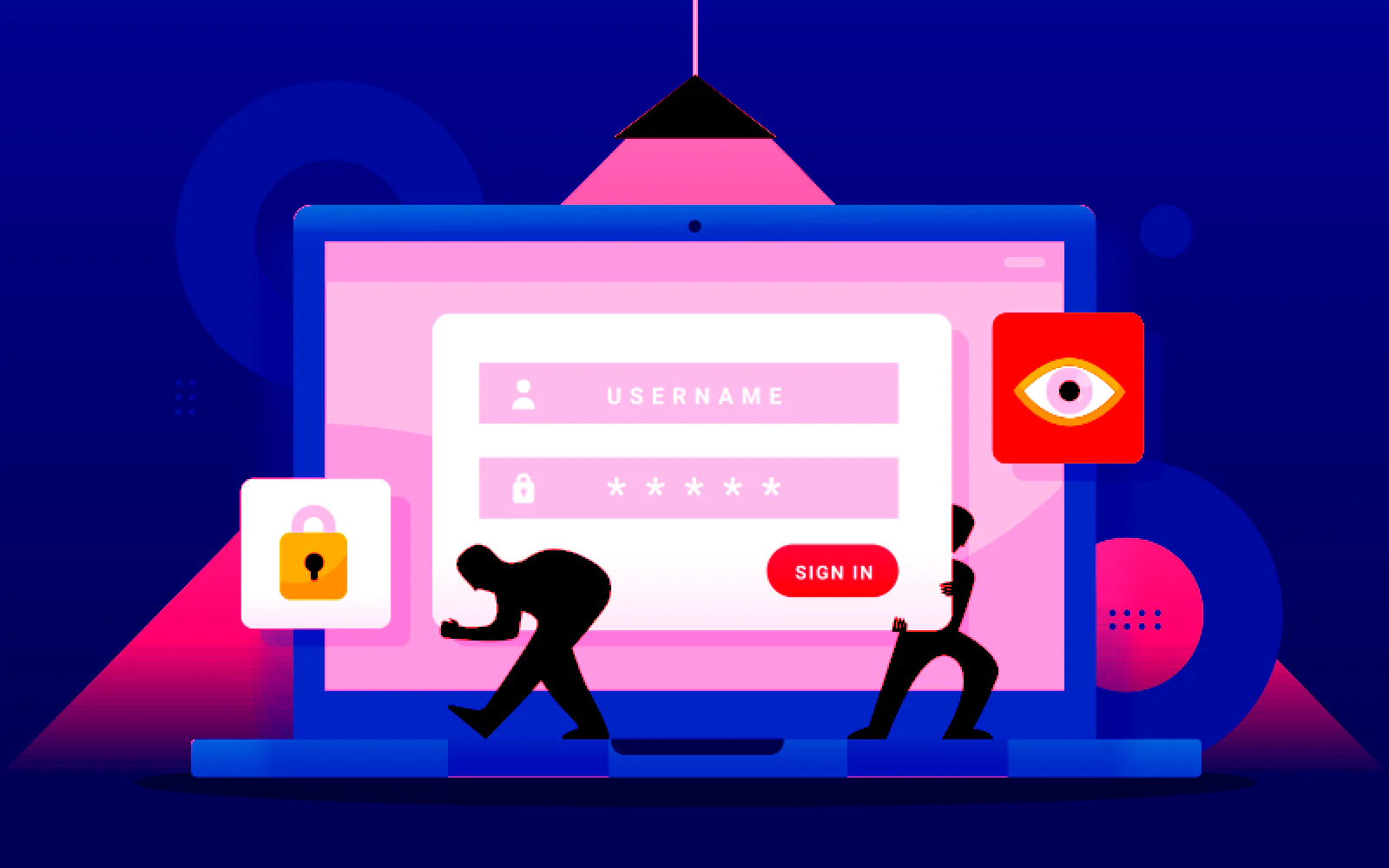


In today's digital age, new methods of fraud are emerging. The Indian government has issued a caution regarding a massive scam carried out under the Netflix brand. According to the notice, fraudsters obtain personal details through phishing emails, which appear genuine. Authorities have recently organized an awareness program highlighting two phishing emails and demonstrating how one can differentiate between authentic and fake notifications. The program highlighted how sophisticated phishing emails are crafted and how one misstep can lead to significant financial damage.
The scheme begins with a straightforward email. This email will notify you that there was a failure in your payment towards Netflix, or your membership will expire soon, and your account is currently suspended. The language in these messages is so scary and hurried that users panic and click on the link. Once you visit the link, you are directed to a fake website that looks exactly like the official Netflix site. There, you are asked for your card details, login ID, password, or OTP, which are then used to drain your savings.
Cybercriminals often try to instill fear and panic in people. They write in messages that if you don't take immediate action, your account will be suspended. This type of urgency is a common hallmark of phishing attacks. Furthermore, these messages use generic terms like "Dear Customer" instead of mentioning your name. The URL of the link in the message is also often confusing or suspicious. Genuine services never send random messages like this asking you to share your banking information. Therefore, it's important to carefully review any suspicious message before responding to it.
To avoid this danger, the government has provided some important recommendations. The first and most basic is to never click on any unknown or suspicious link. If you have any doubts about your payment status, always log in directly to Netflix's official app or their official website and obtain information from there. It's equally important to verify the sender's email address or number. Never share any personal or banking information with anyone until you're absolutely sure. Remember, a little caution can save you from cyber fraud.
Would you like to receive news updates on WhatsApp?
Chat on WhatsApp