






























.jpeg)


































































'Y Chromosomes' are rapidly disappearing in men, the latest study surprised scientists
X and Y are two chromosomes that determine the sex of the baby. A new study suggests that the Y chromosome that makes boys different from girls is slowly vanishing (Y Chromosome Vanishing) and may be completely eliminated in the future. This may mean that only girls will be born in the future!


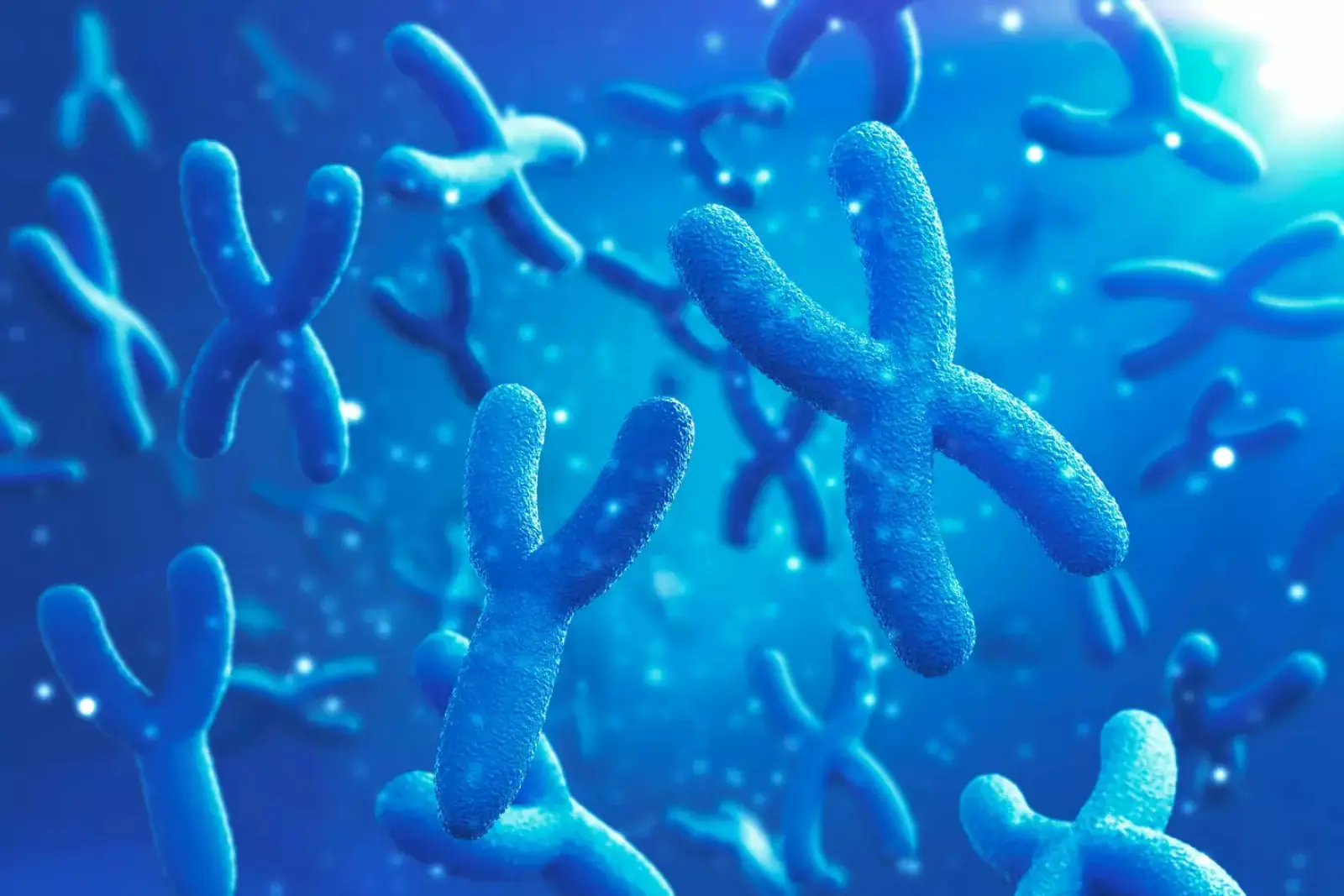


A new study says that the Y chromosome is fast shriveling. In such a situation, some questions must be hitting your mind, such as what would happen if this genetic change actually materializes? Will a new chromosome decide to be male or other reproductive mechanisms develop? Scientists fear this can also pose a threat to the very future of the human race. Let's explore.
In fact, two years ago, a research paper was published telling how a new gene has developed in a particular species of rat, spiny rat, that has decided to be a male.
Scientists tell us that the Y chromosome which determines the development of men is shrinking and will come to an end in the future. This may sound like it's right out of a science fiction film, but it's actually true. There is a terrible fear that if that happens, then only girls will happen. The XY chromosomes of men make them male in their bodies but the disappearance of one Y chromosome makes them worry if it has the capability of creating new species of humans?
Professor Jenny Graves explained this with the example of the platypus. She wrote, "XY chromosomes in platypus are the same. This means that the X and Y chromosomes in mammals used to be the same until some time ago."