




























.jpeg)





























































Journey to Ancient Egypt: The 4,600-Year-Old Road to Giza Pyramids Explained
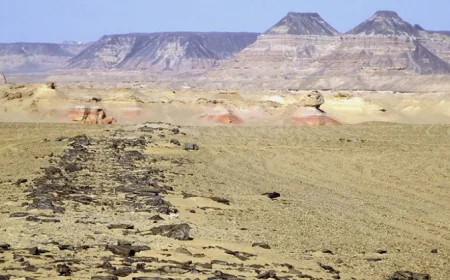
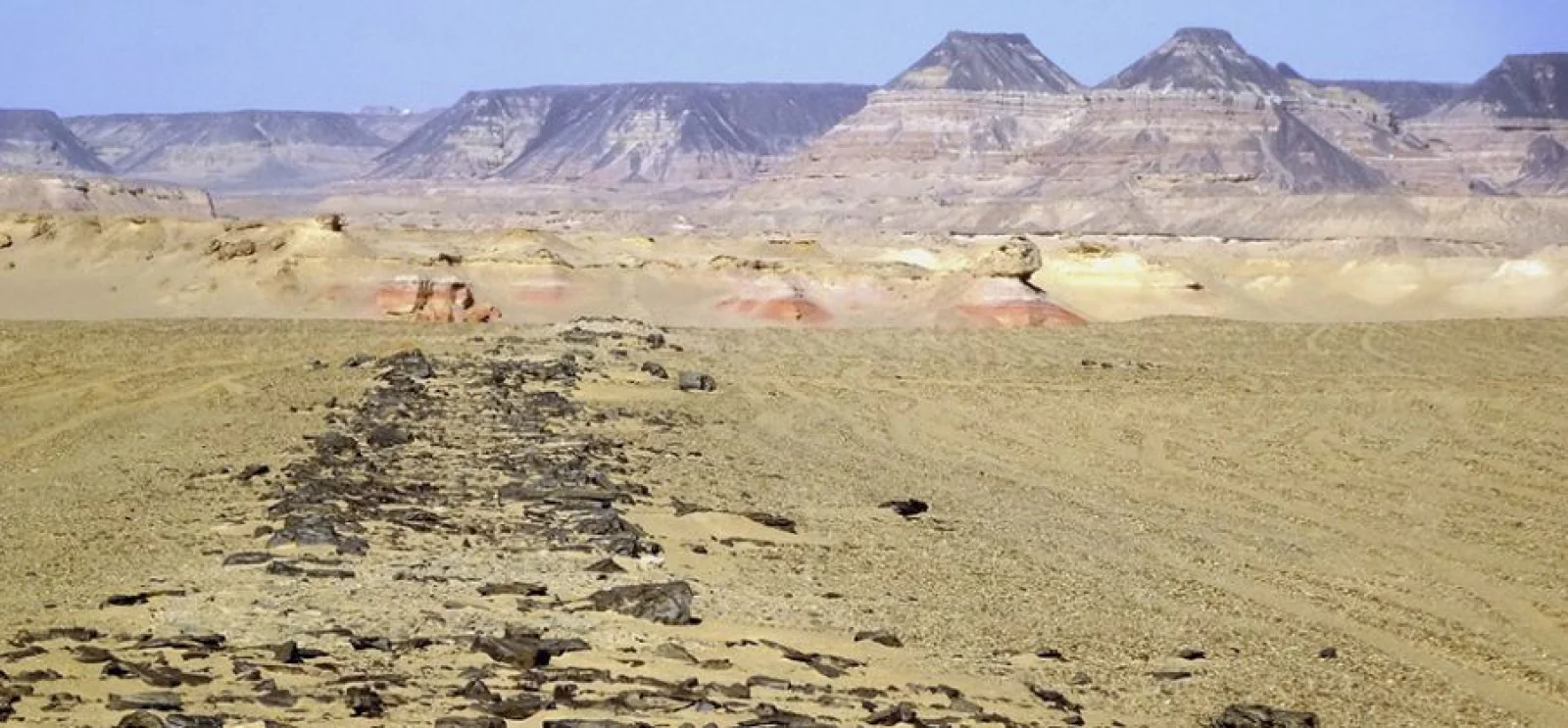
The 12-kilometer-long road leading to Giza in Egypt is one of the oldest paved roads in the world.
Have you ever imagined a road that connects the energetic modern world to an ancient civilization thousands of years old? The road leading to Giza in Egypt embodies that journey.
This historic route lies on the western bank of the Nile River, southwest of Cairo. It guides travelers away from the busy city of Cairo toward the awe-inspiring pyramids of ancient Egypt.
Interestingly, it is considered one of the world's oldest paved roads. Built around 2600 BC during Egypt's Fourth Dynasty of the Old Kingdom, this road is over 4,600 years old. It measures about 12 kilometers in length and 6.5 feet in width. Despite its age, the road still narrates stories of Egypt's remarkable architecture and engineering prowess.
Want to get your story featured as above? click here!
Want to get your story featured as above? click here!
Why was this ancient pathway constructed? In ancient times, building pyramids and grand temples required transporting large stones from quarries along the Nile River. This route facilitated the movement of these heavy stones from the quarries to construction sites, enabling the creation of Egypt's iconic pyramids, more than 4,500 years old.
Beyond stone transport, the road holds deep cultural significance. It represents a monumental achievement in human civilization. Historically, it was mainly used for royal and religious processions. Kings' grand processions traveled this route, earning it the nickname "Processional Way."
Today, travelers exploring this route are captivated by the surrounding desert landscape, which evokes a sense of adventure. Camel rides and views of local markets enhance the experience. As the sun sets, the pyramids radiate a golden glow, making the journey even more enchanting and unforgettable.