Planning to Buy an EV? Here’s What You Must Check Before Bringing It Home
EV Home Charging India: If you're planning to buy a new electric vehicle (EV), it's crucial to know how to set up your home charging system. This article will explain all the essential things related to parking space, proper wiring, security measures, and charging costs, all of which will save you time, money, and effort in the future.
Muskan Kumawat Verified Local Voice • 13 Apr, 2026Journalist
May 6, 2026 • 11:24 PM
A
Automobiles
NEWS CARD
“Planning to Buy an EV? Here’s What You Must Check Before Bringing It Home”
Read more onwww.sangritoday.com/s/45867f
6 May 2026
https://www.sangritoday.com/s/45867f
Copied
Planning to Buy an EV? Here’s What You Must Check Before Bringing It Home
Acquiring an electric vehicle (EV) in India does not only involve buying a car. An EV is different from a car run on gasoline or diesel. This is because how well one drives the car is directly dependent on the charging station arrangement available at home. Below are some tips to be considered prior to purchasing an EV in India.
Parking Space
First, when acquiring an EV in India, ensure that you have arranged for a safe parking space where the EV can be charged conveniently. The parking spot should be secure and have a source of power. For low-powered EV such as scooters, the use of 15A socket suffices. However, make sure this socket is close to your vehicle. If you park your vehicle on the roadside or far away from home, charging the battery daily can become a major challenge and headache.
After parking, it's time to check your home's electrical and wiring. While Indian household wiring is generally capable of handling a basic EV charging load, maintaining good wiring is crucial for safety. The most important thing here is that your 15A plug point must have proper earthing, as without it, charging may be difficult.
Would you like to receive news updates on WhatsApp?
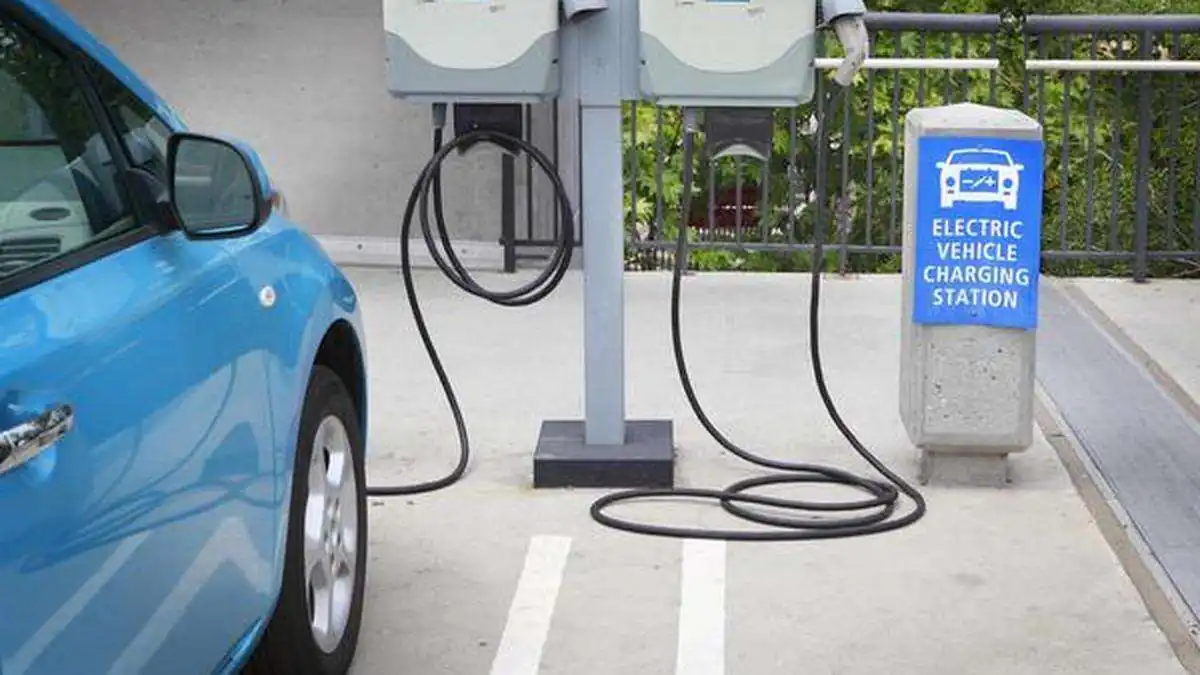
Many companies provide portable chargers with their vehicles that work with this setup. But if you're buying a car with a larger battery, installing a dedicated AC wall box charger at home is the best option. It not only charges the vehicle faster than a standard socket, but is also much more reliable in terms of safety.
Apartment or Society Rules
If you live in an apartment or housing society, you'll need to coordinate with your Resident Welfare Association (RWA) to set up an EV charging system. Permission from the society is required before installing a charger, although many state governments are encouraging societies to allow charging points.
This process may require you to arrange the wiring from your electricity meter to the parking slot yourself. Furthermore, to maintain transparency, many people prefer to install a separate sub-meter. This makes it easier to track the total amount of electricity being used to charge the vehicle.
Household Electricity Load
This is an aspect that people often overlook. Charging an EV puts an additional load on your home's electricity connection. If you're installing a fast charger or charging your car daily, you may need to contact the electricity department to increase your home's sanctioned load.
No Compromise on Safety
When it comes to charging an electric vehicle, any kind of "jugaad" can be costly in terms of safety. To avoid carelessness in electrical work, never use raw wires or common extension cords, as they cannot handle the load of an EV.
To double-check your safety, ensure that you have a proper MCB (circuit breaker) and RCD installed in your setup, which can prevent the risk of short circuits or electric shock. Also, always install your charging point in a covered or shady area to protect the equipment from rainwater and direct sunlight, ensuring its longevity.
Charging Habits and Costs
Besides driving the electric vehicle, it is essential to have knowledge about charging it and its cost. It is easy to charge electric vehicles overnight in India since the usage of power is not too much during the night and it helps you to have the vehicle charged for the next morning. As far as charging time is concerned, a normal electric scooter takes a few hours to get fully charged, whereas a car battery takes some extra time based on its capacity.
Regarding costs, electric vehicles are comparatively cheap when charged at home as compared to petrol and diesel cars. There may be a slight increase in your electricity bill every month, that is, 6 to 10 rupees per unit.
































.jpeg)