































.jpeg)
































































Goldman Sachs Upgrades India's 2026 GDP Growth Forecast to 6.8% on Lower Oil Prices and US-Iran Peace Deal
GDP: Goldman Sachs has projected an improved macroeconomic outlook for India for 2026. Forecasts for GDP growth, inflation, and the current account deficit have been revised due to falling crude oil prices and robust domestic conditions.


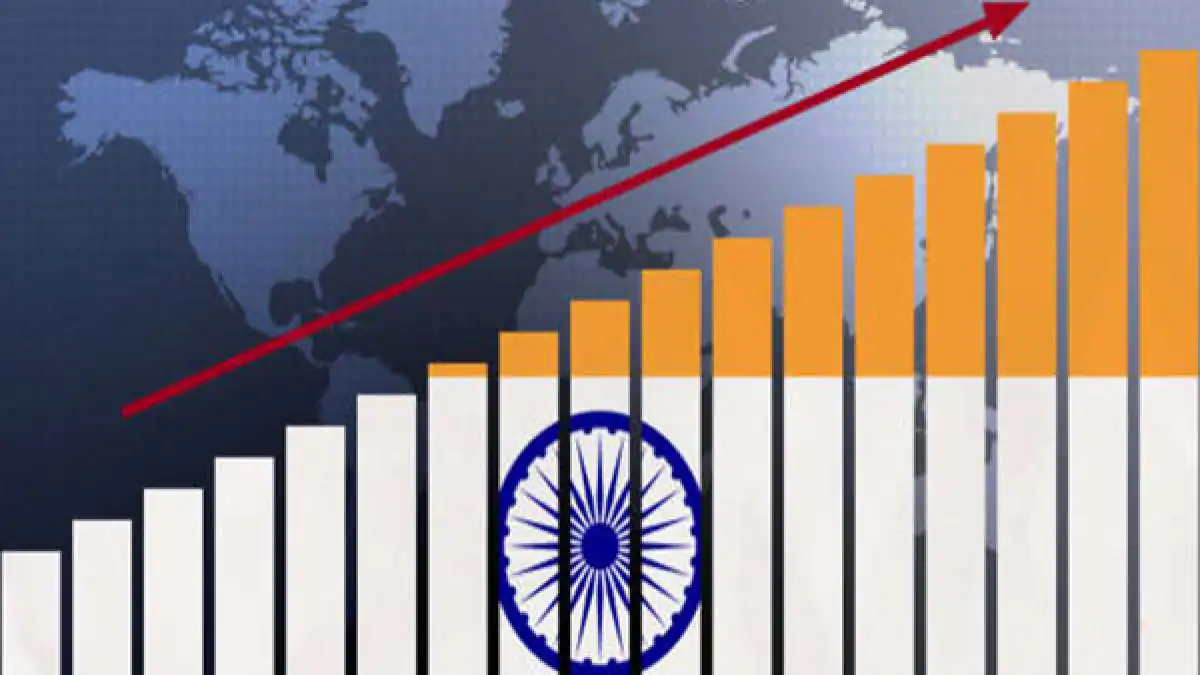


There has been an upgrade in India’s forecast for 2026 by Goldman Sachs. This follows the peace agreement between the US and Iran. The key reasons why they have upgraded the forecast include low oil prices and favorable domestic environment. Due to this, there will be growth in real GDP growth in India.
The real GDP growth forecast of India in 2026 from Goldman Sachs stands at 6.8%, which is an increase of 0.3%. The core inflation forecast is at 4.4%, which is a reduction of 0.2%. The current account deficit is expected to stand at 1.1% of GDP, which is a reduction of 0.2%. With regard to oil prices, they have made low forecasts for $82 per barrel on average in Q3 and Q4 2026 and $75 per barrel for 2027.
According to the report, the Indian economy remained resilient despite disruptions in West Asia. Government fiscal and quasi-fiscal measures mitigated the impact of high energy prices on consumers. Economic activity in the first quarter of 2026 was stronger than expected, recording a growth rate of 7.8%.
The decline in crude oil prices has significantly reduced the risk of further hikes in petrol and diesel prices. This has also eased pressure on petrochemical products. As a result, forecasts for both core and retail inflation have been lowered. A sharp recovery in global urea prices will reduce the upside risk to the fertilizer subsidy bill. Combined with lower oil prices, this will help alleviate near-term fiscal pressures.