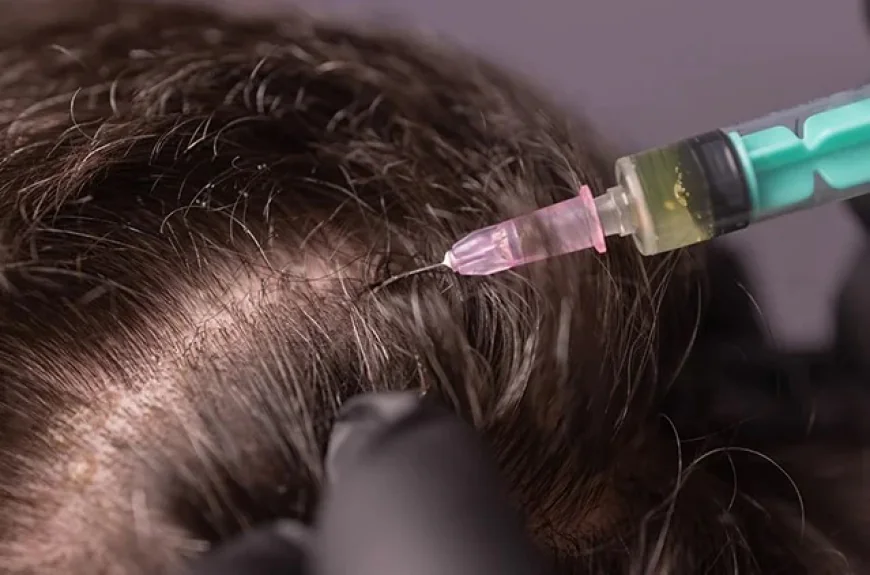
Platelet-rich plasma is a minimally invasive option many patients choose to improve skin tone, texture, and fine lines. This PRP treatment for the face uses the patient’s own blood to deliver growth factors that stimulate collagen and tissue repair, offering a biologic route to natural rejuvenation. Below, I summarize the main advantages, realistic timelines, safety checks, and a clear plan you can follow.
PRP uses the patient’s own blood, so foreign-material reactions are rare. For patients concerned about implants or long-term synthetic products, this is a major advantage.
Clinical series report increased collagen density and improved elasticity after PRP courses. Most patients notice subtle improvement after the first session and clearer texture change after 2–3 sessions.
3. Treatments Can Be Provided for Many Areas
Along with decreasing the appearance of fine wrinkles, PRP can also improve an uneven skin tone or a dull skin tone, as well as treat mild to moderate areas of hyperpigmentation. When micro needling is performed at the same time as PRP, the growth factors in PRP are absorbed deeper into the dermis, which creates a more rapid response with visible results.
4. Short Treatment Time and Minimal Downtime
The time spent in the clinics for PRP therapy is relatively short (between 30-60 minutes), and any post-treatment redness and pinpoint bleeding usually resolve within a period of 24 to 72 hours, allowing people who have busy lifestyles to now take advantage of PRP by being accessible on short notice.
5. Flexibility in the Protocols for Customization of PRP Treatments
The components of the PRP protocol, such as the number of platelets used, the activation technique used, and any additional treatments performed (micro needling, lasers, topicals, etc.) have numerous variables that can be adjusted based on the patient's age, type of skin, and the level of intensity that the clinician determines will provide the best clinical results for that patient.
6. Evidence-Based, Quantifiable Results
The conclusions drawn from the cumulative data presented in the systematic reviews indicate moderate, consistent results. The differences in the size of effect can be attributed to differences in the methodology and outcome measures used in various clinical studies. For more objective quantification of the effect, clinicians are encouraged to utilise standardised lighting photographs along with electrography or skin assessment tools to objectively quantify results.
7. Decreased Long with Time of Exposed Material
Since PRP does not expose patients to permanent implants and/or synthetic fillers that must be continually used, when used with PRP in the hands of trained, skilled practitioners, PRP has been shown to have a very low likelihood of producing long-term side effects.
What happens during a session (step-by-step)?
- Consent & photos: Staff record history and take standardized photos.
- Blood draw & preparation: A small blood sample is centrifuged to separate platelets; this takes 10–15 minutes.
- Local anaesthetic if needed: A topical numbing cream or local anaesthetic may be used to improve comfort.
- Delivery: PRP is applied with micro needling or injected into target areas; the treatment itself takes 10–20 minutes.
- Immediate aftercare: The clinician provides written aftercare and schedules follow-up at 2 weeks.
Practical 5-step roadmap
- Initial consult: Record medical history, medications, and contraindications such as anticoagulants or active infections.
- Baseline assessment: Take standardized photos, grade skin laxity and pigmentation, and discuss realistic goals.
- Protocol recommendation: A common plan is 3 sessions spaced 4–6 weeks apart; expect maintenance at 6–12 months based on response.
- Combination plan: If skin crepiness or pigment is significant, combine PRP with micro needling or a low-strength fractional treatment.
- Aftercare and monitoring: Avoid heavy exercise and unprotected sun exposure for 48–72 hours. Keep follow-up visits at 2 weeks and 3 months to document progress.
How to choose the right provider?
Ask about experience, treatment management protocols, and documented outcomes. Request the platelet multiple (for example, a target of 3× baseline) and ask whether the clinic uses activation and which kit they use. If you are in Mumbai, compare clinics and referrals to locate the best cosmetologist in Mumbai or a board-certified dermatologist experienced in PRP.
Safety and realistic expectations
PRP is generally safe but not risk-free. Infections and rare adverse events have been reported with non-sterile technique or poor patient selection. Results are incremental; PRP improves skin quality and radiance rather than delivering instant, dramatic tightening. Discuss a clear contingency and emergency-contact plan with your provider.
Cost and session examples
In many clinics, the 3-session course is priced per session; discuss the total course cost during the consult and ask about bundle options. Typical time-to-peak effect is near 3 months after the course, with maintenance plans varying by age and lifestyle. Ask your clinic for objective measures they use to track progress (photos, skin analysis).
Conclusion
If you prefer a biologic, low-downtime approach that targets skin quality across multiple parameters, PRP is a solid option. Book an informed consult, confirm the protocol details, check before–and–after images, and plan for a 3-session course as a practical starting point. PRP treatment for the face offers a natural path to gradual rejuvenation when performed by an experienced provider.










































.jpg)