







































Why Indian Students Are Turning to the Philippines for a Safer Medical Education Pathway
In an era of changing global immigration rules, stability in medical education has become more valuable than ever. The recent hike of the U.S. H-1B visa application fee to USD 100,000 in September 2025 is a stark reminder that visa-dependent pathways can quickly turn uncertain. For Indian medical aspirants investing years of effort and savings, choosing a secure, recognised, and...


In an era of changing global immigration rules, stability in medical education has become more valuable than ever. The recent hike of the U.S. H-1B visa application fee to USD 100,000 in September 2025 is a stark reminder that visa-dependent pathways can quickly turn uncertain. For Indian medical aspirants investing years of effort and savings, choosing a secure, recognised, and affordable destination is now non-negotiable and the Philippines stands out as one of the most dependable choices.
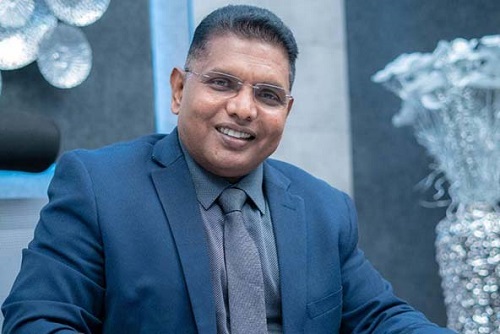 |
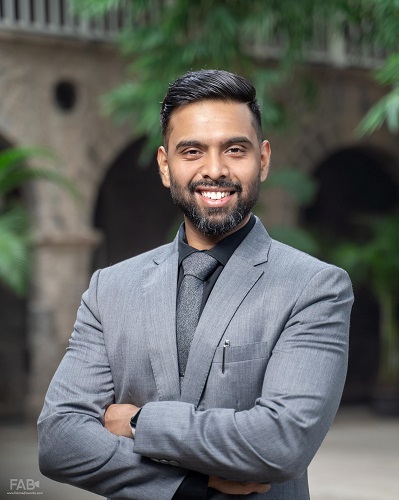
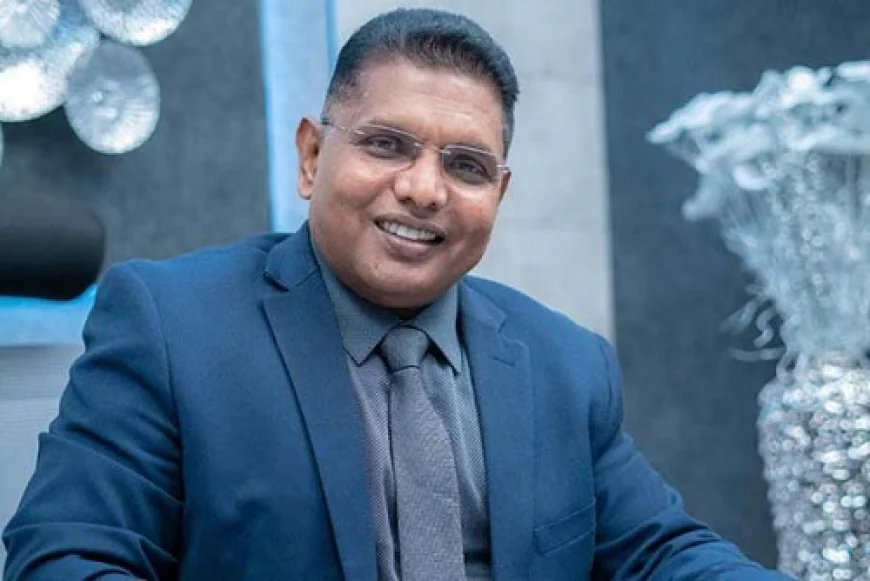
Dr. David Pillai, CEO and Founding Chairman of Transworld Educare
India’s domestic medical education landscape further amplifies this urgency. In 2025, nearly 23 lakh students registered for NEET-UG, with about 22 lakh appearing for the exam and only 12 lakh qualifying. All of them competed for just 1.23 lakh MBBS seats across 780 medical colleges nationwide. While government colleges offer affordable education, the number of seats remains severely limited. On the other hand, private medical colleges often charge anywhere between Rs. 50 lakh and Rs. 1 crore for an MBBS degree, putting them out of reach for many academically capable students. For thousands of families, pursuing medical education abroad is therefore not a preference, but a practical necessity.