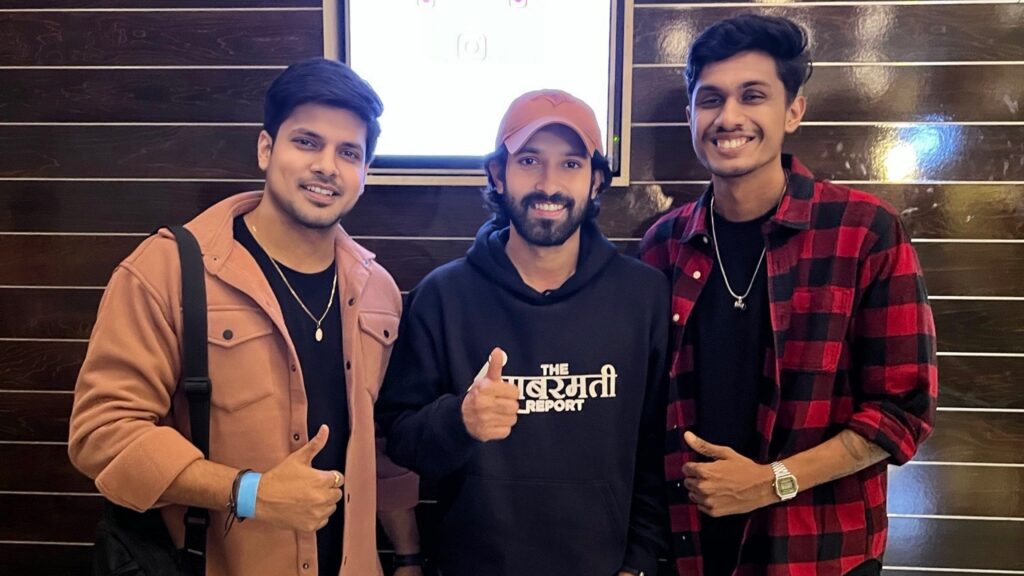
FIRST TIME ON YOUTUBE: Varun Gupta and GrahRahasya Decoded Bring Mahakavi Bhāsa’s Rare Sanskrit Play “Karnabharam” Into Mainstream Mahabharata Discourse
New Delhi [India], May 14: Rare Long-Form Discussion Explores Karna’s Psychological Conflict, Parashurama’s Curse, Kunti’s Promise and the F...
Sangri Today Verified Media or Organization • 11 Apr, 2026Super Admin
May 14, 2026 • 6:26 PM 0
S
Sangri Today Spotlight
BREAKING
Sangri Today
2 months ago
FIRST TIME ON YOUTUBE: Varun Gupta and GrahRahasya Decoded Bring Mahakavi Bhāsa’s Rare Sanskrit Play “Karnabharam” Into Mainstream Mahabharata Discourse
New Delhi [India], May 14: Rare Long-Form Discussion Explores Karna’s Psychological Conflict, Parashurama’s Curse, Kunti’s Promise and the F...
Full Story: https://www.sangritoday.com/spotlight/entertainment/first-time-on-youtube-varun-gupta-and-grahrahasya-decoded-bring-mahakavi-bhasas-rare-sanskrit-play-karnabharam-into-mainstream-mahabharata-discourse
New Delhi [India], May 14: Rare Long-Form Discussion Explores Karna’s Psychological Conflict, Parashurama’s Curse, Kunti’s Promise and the Forgotten Emotional Depth of Sanskrit Dramatic Literature
Long before arrows pierced his body on the battlefield of Kurukshetra, Karna had already been wounded by fate, silence, rejection and unbearable moral conflict.
It is precisely this inner fracture — rather than the spectacle of war itself — that ancient Sanskrit dramatist Mahakavi Bhāsa captured in his extraordinary play “Karnabharam,” one of the most emotionally layered dramatic interpretations of Karna in classical Indian literature.
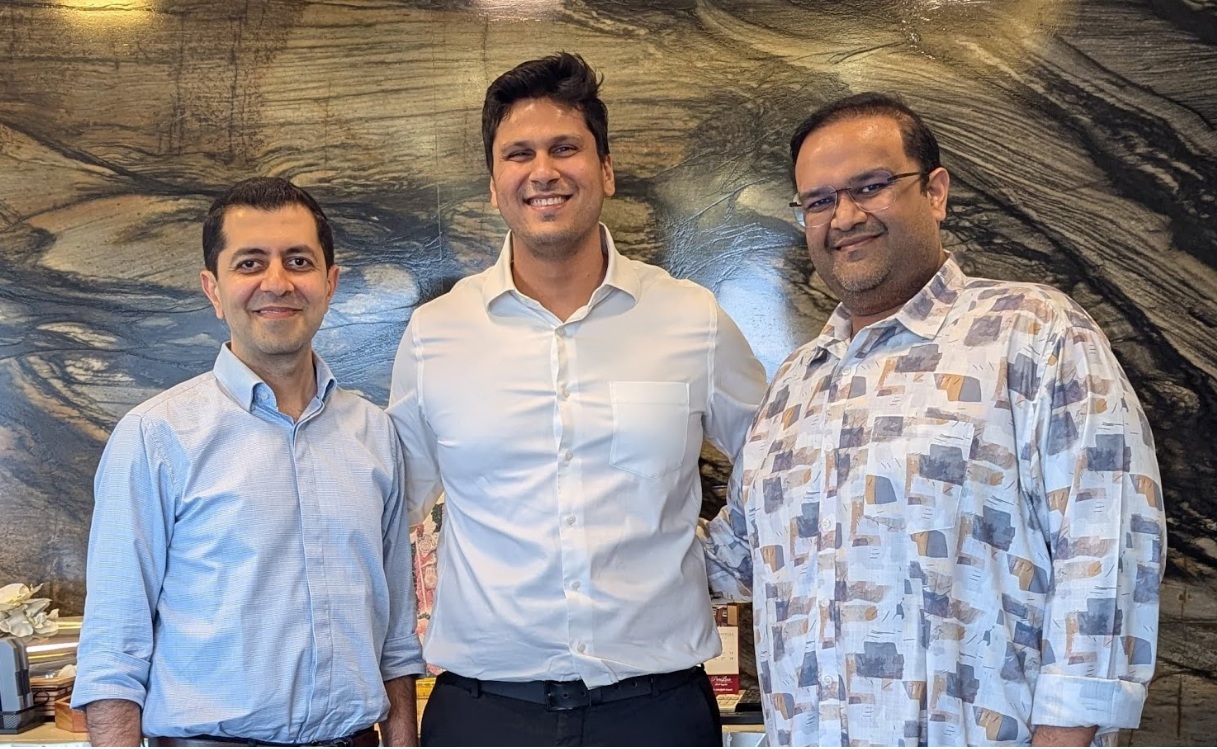
Now, in what is being viewed as among the very few long-form YouTube discussions dedicated to Bhāsa’s “Karnabharam,” Mahabharata textual researcher and Indic epic analyst Varun Gupta, through his rapidly growing digital platform GrahRahasya Decoded (https://www.youtube.com/@GrahRahasyaDecoded) , has brought this rare Sanskrit dramatic work into contemporary public conversation through a deeply researched and emotionally charged podcast discussion.
At a time when large sections of younger audiences encounter Mahabharata primarily through television adaptations, short-form mythology content and simplified social media narratives, such efforts are increasingly being recognized as important attempts to reconnect modern viewers with India’s classical literary consciousness and intellectual traditions.
Beyond Television Narratives: Returning to India’s Classical Literary Sources
According to Varun Gupta, one of the greatest problems in modern Mahabharata discourse is that audiences often inherit fixed judgments about epic characters without ever engaging directly with India’s own textual and literary traditions.
While Karna remains one of the most emotionally debated figures in Indian epic literature, Gupta argues that much of the modern conversation surrounding him remains trapped between simplistic glorification and equally superficial condemnation.
Bhāsa’s “Karnabharam,” however, approaches Karna very differently.
Rather than presenting him merely as a heroic warrior or tragic victim, the Sanskrit play transforms Karna into a study of interior collapse — a man crushed beneath:
·loyalty,
·promises,
·rejection,
·memory,
·curses,
·identity,
·and the unbearable moral tension of standing against his own brothers.
The discussion examines how Karna enters Kurukshetra carrying not only celestial weapons, but also:
·Parashurama’s curse,
·the Brahmin curse,
·Kunti’s revelation,
·the promise to spare four Pandavas,
·and the emotional isolation of standing between gratitude and destiny.
“Karna’s tragedy was not born on the battlefield alone — it was carried silently within him long before Kurukshetra began,” says Varun Gupta during the discussion.
Perhaps that is why Karna continues to haunt Indian civilizational memory centuries later — not because he was flawless, but because he remained painfully human.
Bhāsa’s Karna vs Vyasa’s Karna: A Literary and Psychological Reinterpretation
One of the most intellectually compelling dimensions of the podcast is its comparison between the Karna of Bhāsa’s Sanskrit dramatic imagination and the Karna encountered in Vyasa’s Mahabharata.
Unlike Vyasa’s expansive epic narration, Bhāsa compresses Karna’s suffering into psychological theatre. The battlefield itself almost disappears into the background; what emerges instead is the emotional fragmentation of a warrior confronting his own destiny.
In “Karnabharam,” Karna becomes:
·a meditation on loneliness,
·a symbol of civilizational tragedy,
·and a profoundly human figure torn between dharma, gratitude, pride, emotional suffering and self-awareness.
The podcast also explores how Sanskrit dramatists often emphasized emotional and philosophical intensity differently from later retellings, thereby preserving alternate dimensions of epic characters frequently overlooked in mainstream storytelling.
The discussion further touches upon:
·Karna psychology,
·battlefield ethics,
·Karna and Kunti,
·Krishna’s strategic role before the war,
·regional manuscript traditions,
·Tamil literary interpretations,
·and the philosophical depth embedded within classical Sanskrit drama.
A major theme emerging from the discussion is Varun Gupta’s appeal for greater respect toward India’s regional manuscript traditions, Sanskrit dramatic literature and vernacular epic traditions.
According to Gupta, an enormous portion of India’s literary heritage remains overshadowed by English summaries, commercial adaptations and highly simplified internet interpretations that rarely engage seriously with primary Indic sources.
“Our Sanskrit plays, regional manuscripts and classical Indic literary traditions deserve serious recognition,” Gupta states. “There exists an entire ocean of Mahabharata knowledge beyond television serials and algorithm-driven mythology content. If we truly wish to understand these epics, we must return not only to translations, but also to the literary voices preserved in Sanskrit, Tamil and regional traditions.”
The podcast highlights how regional epic traditions often preserve alternate emotional emphases, dramatic structures and philosophical interpretations rarely discussed in mainstream discourse.
This includes:
·alternate readings of Karna’s emotional conflict,
·different narrative emphases surrounding the Kavach-Kundal episode,
·and nuanced portrayals of Krishna’s strategic interventions before the war.
Beyond Mythology Content: The Rise of Research-Driven Epic Analysis on YouTube
What distinguishes GrahRahasya Decoded from conventional mythology channels is its consistent attempt to combine:
·Mahabharata textual analysis,
·Sanskrit references,
·Indic literary history,
·battlefield ethics,
·philosophical inquiry,
·regional traditions,
·manuscript-based discussion,
·and psychological interpretation within a long-form digital format accessible to contemporary audiences.
Instead of reducing epic literature into simplistic hero-versus-villain binaries, the platform increasingly focuses on literary nuance, emotional realism and interpretive complexity.
Through GrahRahasya Decoded, Varun Gupta has steadily emerged as one of the few independent digital creators consistently attempting to merge Sanskrit textual inquiry, regional manuscript traditions and modern long-form storytelling within the Mahabharata research space.
Over recent years, the platform has gained increasing recognition among audiences seeking:
Reviving Ancient Indian Intellectual Traditions in the Digital Age
At its core, the “Karnabharam” discussion is not merely about Karna.
It is about rediscovering the emotional intelligence, philosophical sophistication and literary brilliance embedded within ancient Indian civilization itself.
It is a reminder that Sanskrit literature was never emotionally shallow storytelling. Rather, it possessed extraordinary ability to explore grief, trauma, silence, moral conflict and existential suffering with remarkable subtlety centuries ago.
In reviving Bhāsa’s “Karnabharam” for digital audiences, Varun Gupta and GrahRahasya Decoded are doing far more than discussing an ancient Sanskrit play.
They are reopening a forgotten dialogue between India’s classical literary past and a modern generation searching once again for intellectual depth beyond spectacle.
And in an age increasingly dominated by fast content and shrinking attention spans, such efforts may ultimately become more than digital discussions.
They may become acts of cultural recovery.
If you object to the content of this press release, please notify us at pr.error.rectification@gmail.com. We will respond and rectify the situation within 24 hours.
rss_feed
Disclaimer:Story published through syndicated feed.
favorite
Follow us for the latest updates:
Sangri Today Verified Media or Organization • 11 Apr, 2026Super Admin
Sangri Today is a news website of news and current affairs that publishes news reports from various places, from general reports.