





































%20(5).jpg)









.jpg)










Flap Disc vs Grinding Disc: Which One Delivers Better Results for Metal Surfaces?
Flap discs and grinding discs serve different purposes in metalwork. Discover which delivers superior results for grinding, finishing, and surface preparation on metal.

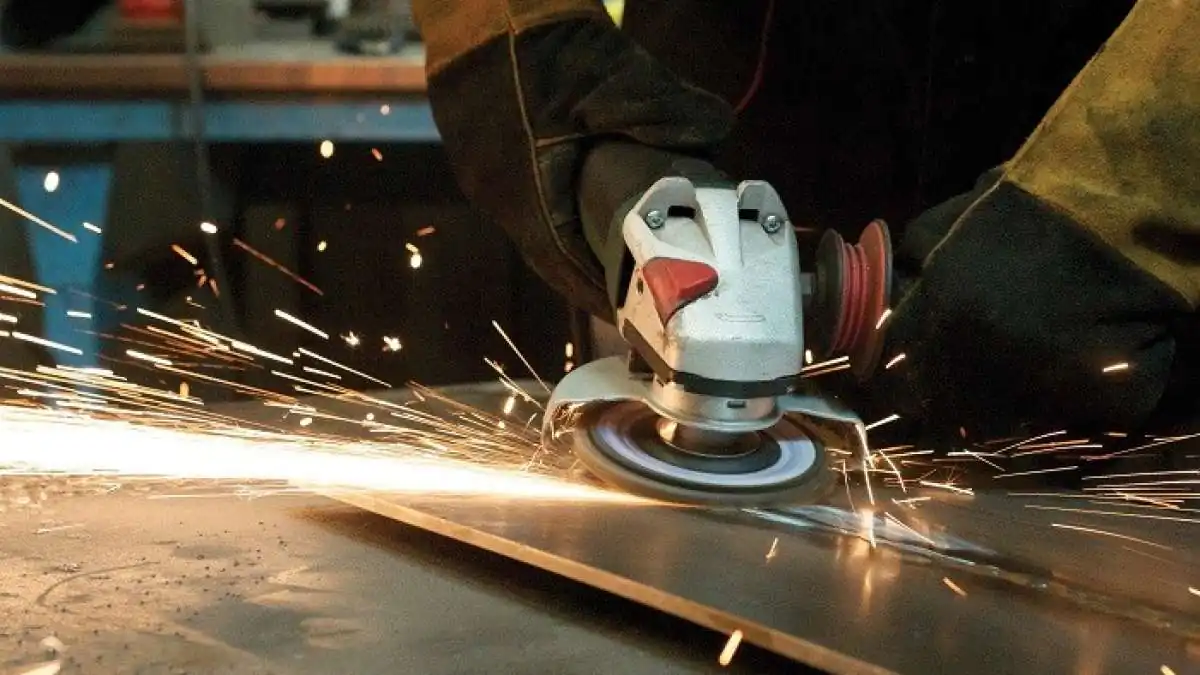

A clean finish results from precision in both disc selection and application. It depends on choosing the right disc for the task and applying it correctly. Fabricators often work under tight timelines while still being expected to deliver neat, consistent results, which makes disc selection a practical decision on the shop floor. Flap discs and grinding discs are both widely used in metalworking, yet they deliver different results depending on the application’s goal. The choice between them affects finish quality, heat buildup and the amount of rework required later. Knowing where each disc performs best helps improve efficiency and achieve better overall results.
What are Flap Discs?
Flap discs are made by arranging multiple abrasive flaps in layers on a backing plate. As the outer flaps wear down, fresh abrasive edges are exposed. This keeps the cutting action consistent throughout the disc’s life. Flap discs are commonly used for grinding and finishing work. They remove material gradually and offer better control over the metal. Choose a flap disc if you need to smooth, blend and finish the metal in a single step without deep gouges.
What are Grinding Discs?
Grinding discs are solid abrasive wheels designed for fast and aggressive material removal. They are well-suited for thick welds and rough metal sections where speed is important. Because they are rigid, grinding discs remove stock quickly but offer less control during finishing. As the disc wears, cutting efficiency can be reduced, especially during lighter work. Grinding discs perform best during the early stages of fabrication rather than final finishing.