From Rural Entrepreneur to Global Fintech Leader
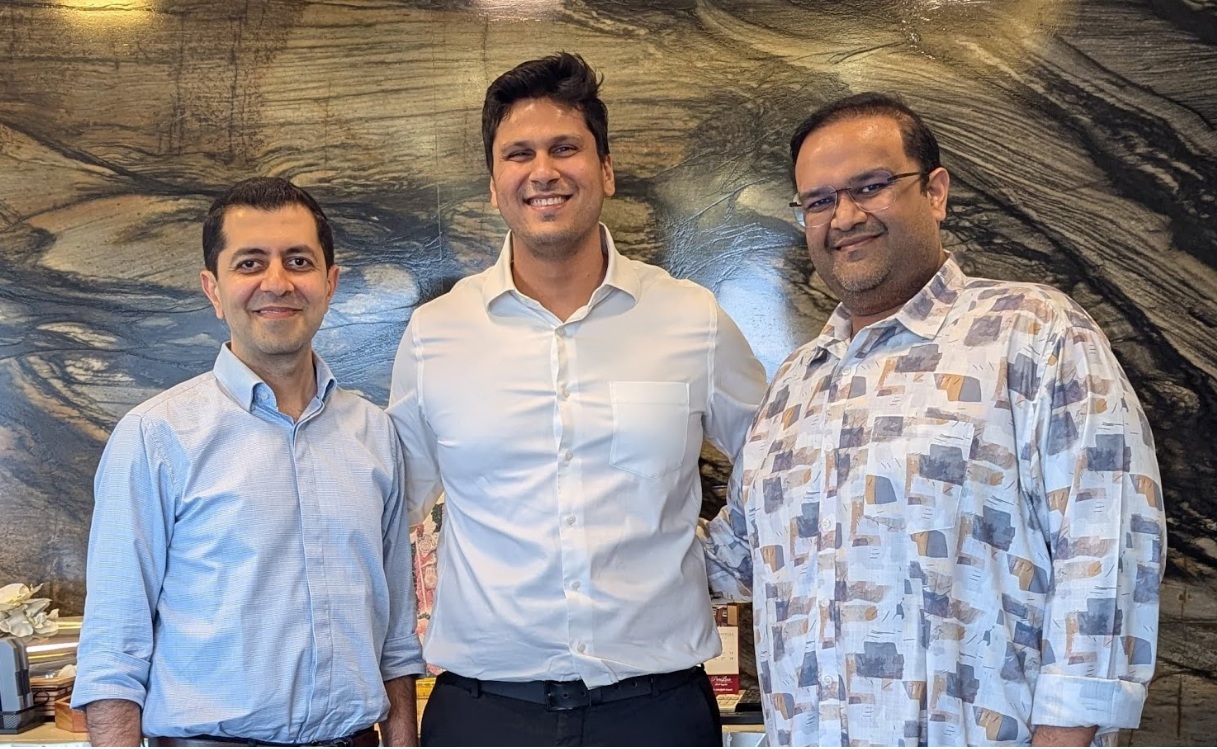
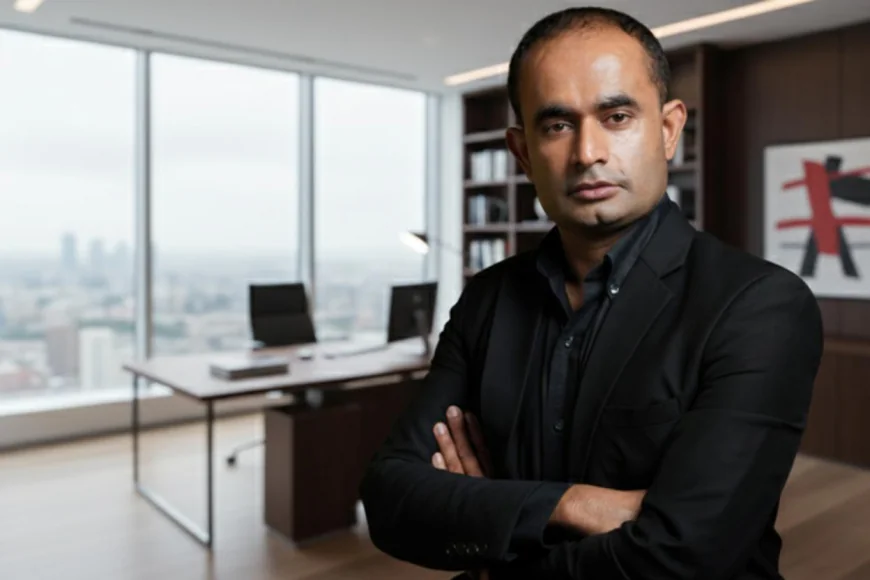
Silicon Jeri is the brainchild of Sabeer Nelli, an entrepreneur who grew up in Manjeri and was exposed early to the realities of building and sustaining businesses from the ground up. Those formative experiences shaped a worldview attentive to constraints - of capital, infrastructure, and opportunity - and sharpened his instinct for identifying problems that scale quietly but meaningfully.
After migrating to the United States, Sabeer built Zil Money, a unified B2B payments platform that now processes more than US$100 billion in transactions. Rather than allowing that success to remain abstract or geographically distant, he chose reinvestment over remittance. The result was a world-class development center in Manjeri, where engineers work on global fintech systems while mentoring local students and first-time founders.
This digital-physical synergy - using cloud-based earnings to fund brick-and-mortar capability - sets Silicon Jeri apart from many regional tech initiatives. It is not a speculative real-estate play or a government-led experiment, but an operating extension of a global business anchored deliberately in a small town.
Building a Hub Anchored in Place
Silicon Jeri isn’t just about architecture; it is an ecosystem designed around continuity. The flagship building features open workspaces, advanced collaboration zones and conference rooms modelled on global tech campuses. For employees, the familiarity matters. It signals that meaningful, high-impact work does not require geographic displacement.
Beyond full-time teams, co-working and incubation programs under the ZilCubator initiative provide local entrepreneurs with affordable space, mentorship, and exposure to real operational challenges. Students from nearby colleges participate in workshops and hackathons, while small businesses gain access to digital tools that extend their reach beyond district boundaries.
The cumulative effect is subtle but significant. What economists describe as brain gain is beginning to counter decades of talent outflow from rural Kerala. As skilled professionals choose to stay - or return - Manjeri enters a local prosperity loop, where employment attracts investment, investment funds infrastructure, and infrastructure sustains innovation.
Visionary Expansion: A 100-Acre Living Campus
Sabeer’s ambition extends well beyond a single building. Plans for Zil Park, a 100-acre expansion, envision research labs, vocational academies, co-living spaces, cultural centres and extensive green zones. The objective is not scale for its own sake, but coherence.
The campus is designed as a “living ecosystem” where people can learn, work and build careers without severing ties to place or community. Inclusive incubation programs are planned for women, students and rural entrepreneurs - groups often peripheral to traditional tech growth models. Importantly, the vision resists the temptation to replicate Bengaluru’s density or Silicon Valley’s vertical sprawl. Instead, it aligns with emerging research on innovation districts, which argues that context-specific design produces more resilient outcomes than uniform replication.
Toward a Post-Metropolis Innovation Paradigm
Silicon Jeri invites a broader reconsideration of how innovation is organised in the 21st century. As remote work, decentralised teams and digital infrastructure erode the monopoly of megacities, smaller towns gain structural advantages once dismissed as limitations.
They offer lower living costs, shorter commutes, deeper community ties and the ability to integrate culture, ecology and work in ways dense urban centres increasingly struggle to sustain. Leadership, too, becomes more visible and accountable, with success measured less by headline-grabbing exits and more by shared, durable progress.
As regions across the world confront the social and environmental costs of hyper-urbanisation, the Silicon Jeri experiment suggests an alternative path - one where innovation grows in proportion to place, and progress enriches the ground it rises from rather than exhausting it.