

















%20(7).jpg)













%20(5).jpg)









.jpg)










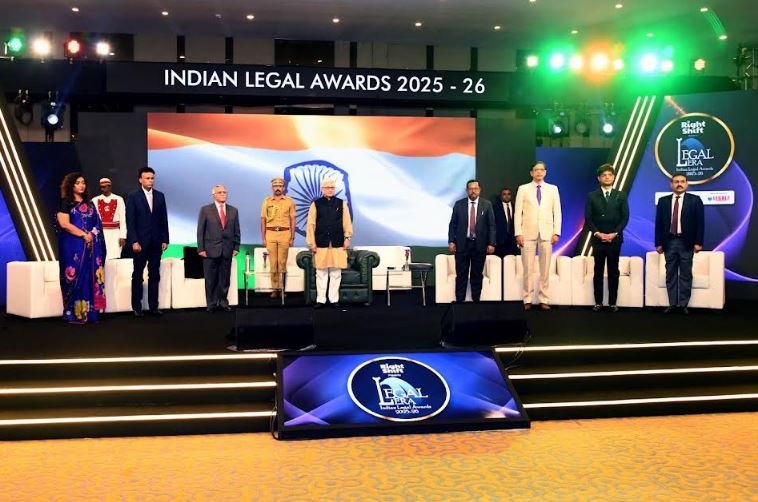
Dr Niket Patel of Akanksha IVF hospital and research institution awarded best IVF hospital by former Gujarat Deputy CM Nitin Patel
Anand (Gujarat) [India], October 17: Dr Niket Patel, medical director of the renowned Akanksha hospital and research institute in Anand, Gujarat, received the award for best IVF hospital from former Gujarat Deputy Chief Minister Nitin Patel. Dr Patel, a gynaecologist and IVF specialist, is one of the country’s youngest Endoscopic Surgeons. Dr Niket Patel, the […]




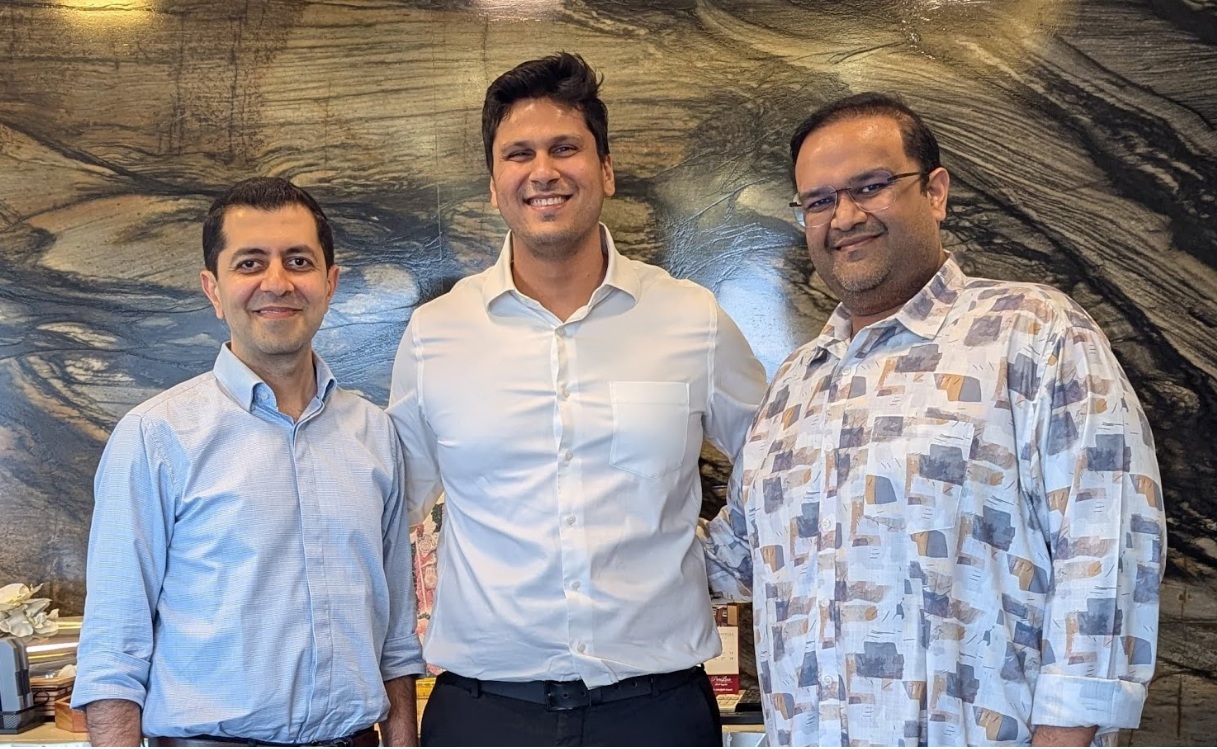
Anand (Gujarat) [India], October 17: Dr Niket Patel, medical director of the renowned Akanksha hospital and research institute in Anand, Gujarat, received the award for best IVF hospital from former Gujarat Deputy Chief Minister Nitin Patel. Dr Patel, a gynaecologist and IVF specialist, is one of the country’s youngest Endoscopic Surgeons.
Dr Niket Patel, the son of highly acclaimed IVF expert Dr Nayana Patel—founder of Akanksha infertility facility known as the “Baby Factory” of India, which has produced over 25,000 IVF babies—specialises in sophisticated laparoscopic operations and is one of the country’s youngest to do so. Endoscopic procedures, often known as keyhole surgeries, can identify and treat most gynaecological abnormalities such as fibroids, endometriosis, PCOS, ovarian cysts, and so on.
Ovarian tissue activation was first performed by Dr Niket Patel in India. Dr Patel was first exposed to this method in Copenhagen, Denmark, where it immediately piqued his interest. He subsequently conducted significant research into the method before implementing it into his practice. As of that time, it had only been accomplished in a select few nations, including Denmark, Japan, the United States of America, and two others. Dr Niket and his team have successfully activated ovarian tissue in over 25 patients in India, resulting in 4 live births.
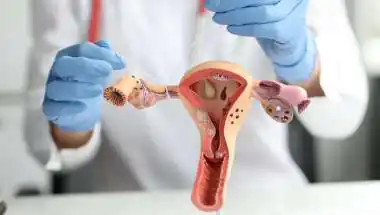
The Ovarian Tissue Activation procedure involves a little piece of the ovarian cortex being removed, mechanically stimulated, and re-transplanted into the peritoneal pocket close to the ovarian ligament. To avoid having to use donor eggs or embryos or to remain childless altogether, this is sometimes used for women with a decreased ovarian reserve or whose ovaries are not generating their eggs. Because of this, a woman’s ability to have biological children may be enhanced, as her ovaries will operate better. It is urgently required because of the meteoric rise in the incidence of early ovarian insufficiency and low ovarian reserve in India.