Legal assistance is often required when you receive a cheque return memo from the bank or a legal notice related to cheque dishonour.
Professional guidance can also help when preparing and sending a demand notice to recover outstanding payments from the cheque issuer.
If allegations are made against you under cheque bounce lawyer, a lawyer can help you understand your rights and prepare an appropriate response.
Seeking legal advice at an early stage can help avoid procedural errors, meet statutory deadlines, and improve the handling of the dispute.
Benefits of Booking an Online Lawyer Consultation
Online consultations have become a convenient and efficient way for individuals and businesses to obtain legal guidance for cheque bounce disputes without the need for in-person meetings.
● Quick access to legal advice: Connect with a lawyer promptly and receive guidance on your cheque bounce dispute without waiting for a physical appointment.
● No travel requirements: Attend the consultation from your home or office, avoiding the time and expenses associated with travelling to a lawyer's office.
● Flexible appointment scheduling: Choose consultation slots that fit your schedule, making it easier to seek legal assistance even during busy workdays.
● Easy document sharing: Upload and share cheque copies, bank return memos, legal notices, and other supporting documents electronically for faster review.
● Faster initial case assessment: Lawyers can quickly evaluate the facts of the dispute, identify legal issues, and recommend the appropriate course of action.
● Access to experienced lawyers across locations: Online platforms allow you to consult qualified legal professionals from different cities and jurisdictions without geographical limitations.
For cheque bounce matters that often involve strict timelines, online consultations can help parties receive timely legal support and take prompt action.
Documents to Keep Ready Before Booking
Before scheduling an online lawyer consultation, it is advisable to gather all relevant documents related to the cheque bounce dispute. Having the necessary information readily available allows the lawyer to assess the matter accurately and provide more effective legal guidance.
Cheque Copy
Keep a clear copy or photograph of the dishonoured cheque. The cheque contains important details such as the cheque number, amount, date, and the names of the parties involved, all of which are relevant to the legal assessment.
Bank Return Memo
The bank return memo is one of the most important documents in a cheque bounce case. It specifies the reason why the cheque was dishonoured, such as insufficient funds, account closure, or signature mismatch, and serves as key evidence during legal proceedings.
Legal Notice (If Any)
If you have already sent or received a legal notice regarding the cheque bounce, keep a copy ready for review. The lawyer can examine the notice, verify compliance with legal requirements, and advise on the appropriate next steps.
Correspondence Between Parties
Collect any emails, text messages, invoices, agreements, purchase orders, or payment-related communications connected to the transaction. These records can help establish the background of the dispute and support your claims or defence.
Identity Documents
Basic identity documents such as Aadhaar, PAN, or other government-issued identification may be required for verification purposes and to facilitate legal documentation if further action is necessary.
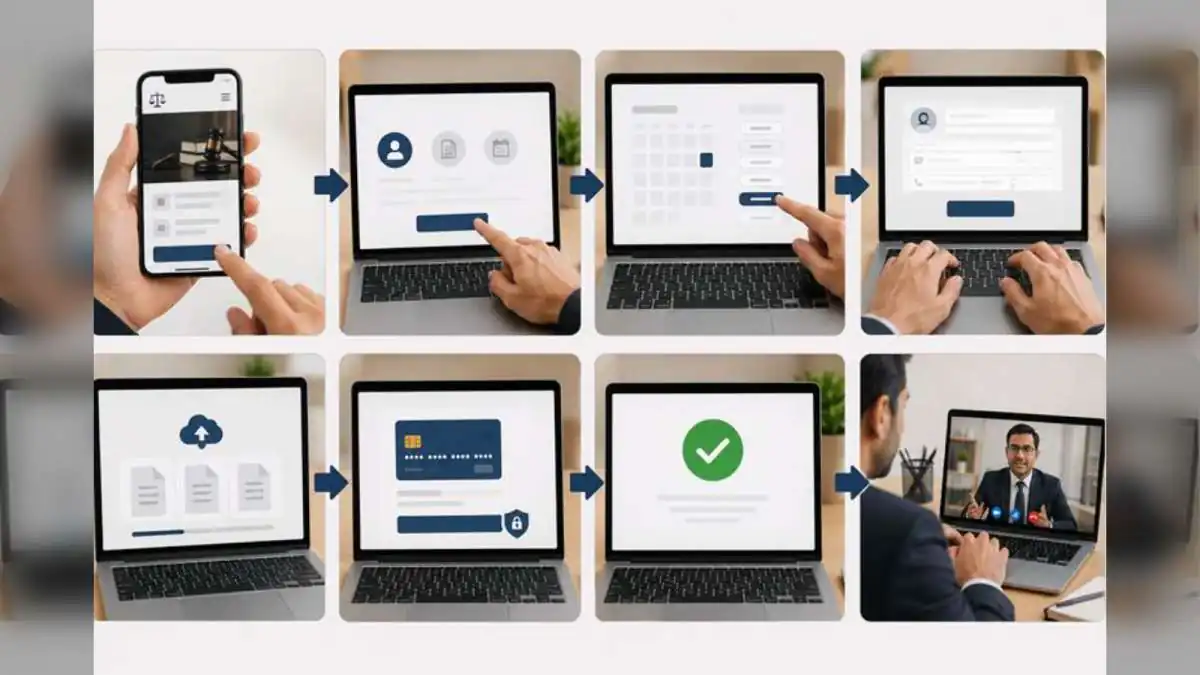
Step 1: Identify a Reliable Legal Service Provider
The first step is selecting a trusted legal platform or lawyer offering online consultation services.
When evaluating providers, consider:
● Experience in cheque bounce matters
● Client reviews and ratings
● Consultation availability
● Fee transparency
● Communication methods
● Follow-up support
Choosing experienced cheque bounce lawyers can significantly improve the quality of legal guidance received.
Step 2: Select the Consultation Type
Most legal service providers offer multiple consultation formats.
Common options include:
Phone Consultation
Suitable for quick discussions and preliminary legal advice.
Video Consultation
Allows face-to-face interaction without visiting a law office.
Online Meeting Platforms
Useful for reviewing documents and discussing complex issues in detail.
Select the consultation method that best matches your needs and comfort level.
Step 3: Schedule an Appointment
After selecting the consultation format, choose an available date and time slot.
Most online legal platforms allow clients to:
● View available schedules
● Choose preferred timings
● Confirm appointments instantly
● Receive appointment confirmations
Scheduling in advance helps ensure that sufficient time is available for case discussions.
Step 4: Provide Basic Case Information
Before the consultation, you may be asked to submit preliminary details.
This generally includes:
● Name and contact information
● Nature of the dispute
● Amount involved
● Date of cheque dishonour
● Current status of the matter
● Any notices already exchanged
Providing accurate information helps the lawyer prepare for the consultation.
Step 5: Upload Supporting Documents
Many online legal platforms allow clients to upload documents securely before the consultation.
Uploading documents in advance enables the lawyer to:
● Review evidence
● Understand timelines
● Assess case strength
● Identify legal issues
Clear and organised documentation can improve the effectiveness of the consultation.
Step 6: Attend the Online Consultation
During the consultation, explain the dispute clearly and provide all relevant facts.
The lawyer may discuss:
● Applicable legal provisions
● Available remedies
● Limitation periods
● Notice requirements
● Possible risks
● Recommended next steps
Be prepared to answer questions regarding the transaction and supporting documents.
Step 7: Understand the Legal Strategy
One of the most important outcomes of the consultation is understanding the legal strategy recommended for your case.
Depending on the circumstances, the lawyer may suggest:
● Issuing a legal notice
● Responding to a notice
● Negotiating settlement
● Initiating legal proceedings
● Collecting additional evidence
Understanding the strategy helps clients make informed decisions.
Common Mistakes to Avoid
Many cheque bounce disputes become more complicated because of avoidable mistakes made during the initial stages. Being aware of these issues can help you handle the matter more effectively.
One common mistake is waiting too long to seek legal advice. Delays can affect important statutory timelines and limit the legal remedies available.
Incomplete documentation can also create problems. Missing cheques, bank memos, notices, or supporting records may make it difficult to evaluate the case accurately.
Providing inaccurate or incomplete information during a consultation can result in incorrect legal assessment and unsuitable recommendations.
Some individuals ignore legal notices, assuming the matter will resolve itself. This can lead to further legal complications and missed opportunities to respond appropriately.
Failing to preserve communication records, invoices, or payment-related documents can weaken your position if the dispute escalates.
Avoiding these mistakes can help ensure smoother case handling, better legal preparation, and a more effective resolution process.
How Cheque-Bounce-Lawyers Can Help
Experienced cheque-bounce-lawyers can provide valuable guidance throughout the dispute resolution process. Their legal knowledge and practical experience help individuals and businesses understand their rights, comply with legal requirements, and pursue appropriate remedies.
● Case evaluation: Lawyers assess the facts, documents, and circumstances of the dispute to determine the strength of the case and identify the available legal options.
● Legal notice drafting: They prepare legally compliant demand notices that clearly communicate the claim and meet statutory requirements under applicable laws.
● Notice response preparation: If you receive a cheque bounce notice, lawyers can help draft an appropriate response and advise on the best course of action.
● Documentation review: They examine cheques, bank return memos, agreements, invoices, and other supporting documents to identify important evidence and potential issues.
● Settlement discussions: Lawyers can assist in negotiating settlements between parties, helping resolve disputes without lengthy legal proceedings where possible.
● Representation during proceedings: If the matter progresses further, lawyers can represent clients during hearings and other legal proceedings while ensuring procedural compliance.
Conclusion
Booking an online consultation for a cheque bounce case is a straightforward process that allows individuals and businesses to obtain legal guidance quickly and conveniently. By preparing the necessary documents, choosing a reliable legal service provider, and discussing the matter thoroughly during the consultation, you can gain clarity on your legal rights and available remedies.
Whether you need to issue a legal notice, respond to a claim, or explore settlement options, experienced cheque-bounce-lawyers can provide valuable assistance. Taking action early and seeking professional advice can help you manage the dispute more effectively and avoid unnecessary complications.
.jpg)