

































.jpg)















‘A Good Editor Should Be First a Good Storyteller’ – Nirav Panchal, Film Editor
Ahmedabad (Gujarat) [India], August 7: Amidst the glitz and glamour that dominates the film industry, the unsung heroes who weave a film into its final masterpiece often go unnoticed. Editors — the hidden architects of cinema — hold the secrets of what unfolded on set and transform raw footage into compelling stories. Among these skilled [...]

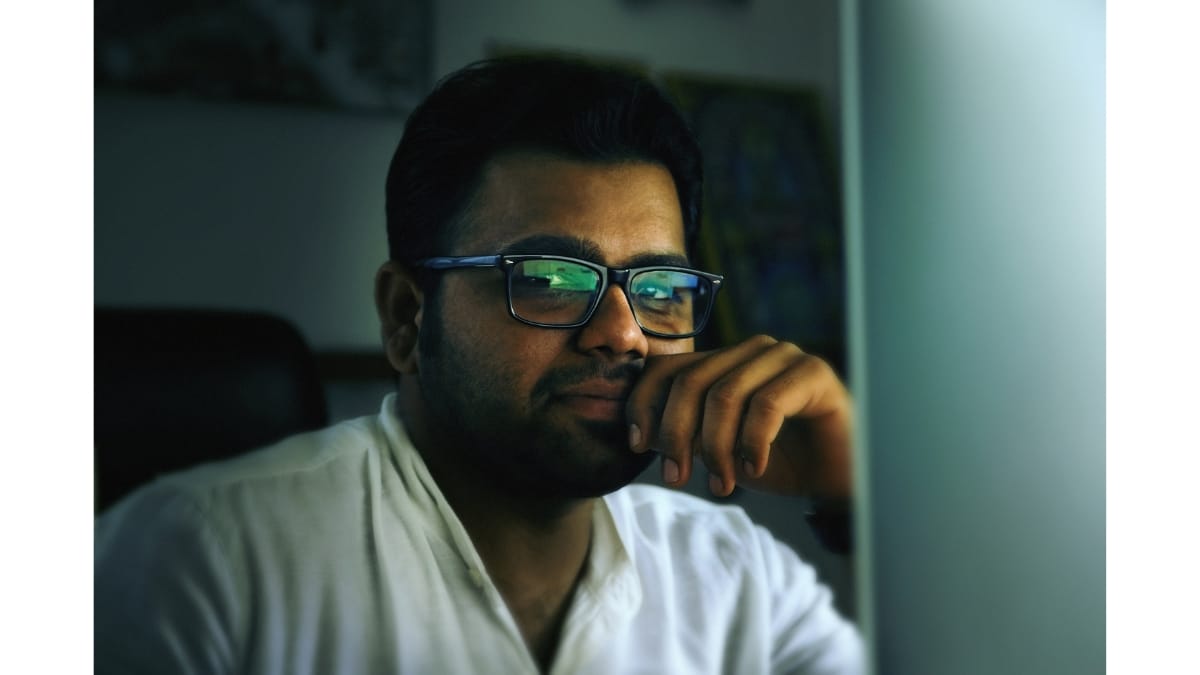

Ahmedabad (Gujarat) [India], August 7: Amidst the glitz and glamour that dominates the film industry, the unsung heroes who weave a film into its final masterpiece often go unnoticed. Editors — the hidden architects of cinema — hold the secrets of what unfolded on set and transform raw footage into compelling stories. Among these skilled craftsmen, one name shines brightly in the Gujarati film industry: Nirav Panchal, a celebrated Gujarati film editor whose contribution has been pivotal in shaping the visual language of contemporary regional cinema.
Starting his illustrious journey with the cult hit Bey Yaar in 2014, Nirav has become synonymous with the rise of urban Gujarati films. As a leading film editor in Gujarat, he has worked on 25 feature films over the past decade, with four more slated for release. His impeccable work includes all-time blockbusters such as Chello Divas, Thai Jashe, Karsandas Pay & Use, Shu Thayu, and Naadi Dosh. His versatility spans genres—comedy, drama, and emotionally charged narratives—with recent hits like Fakt Mahilaon Maate, 3 Ekka, and Locha Lapsi further cementing his legacy.
For Nirav, editing goes far beyond assembling scenes—it’s about crafting a story that resonates with audiences. “An editor is the bridge between the maker and the audience. We ensure the story flows seamlessly while maintaining rhythm and clarity,” he shares. As a prominent movie editor in Gujarati cinema, Nirav is known for his meticulous approach, often dedicating two months to the post-production of each film. He places immense value on sound and music, remarking, “The rhythm of a scene is as much about the ears as it is about the eyes.”