































.jpg)













Vedanta Aluminium Lauds GoI’s Sardega-Bhalumuda Rail Line for Advancing Sustainable Coal Transportation
New Delhi [India], September 20:Vedanta Aluminium, India’s largest aluminium producer, has welcomed the Government of India’s decision to facilitate the Sardega-Bhalumuda rail line connectivity project between Odisha and Chhattisgarh, an initiative aimed at streamlining coal transportation sustainably and efficiently. The project is sanctioned by the Cabinet Committee on Economic Affairs (CCEA). By replacing road transport [...]

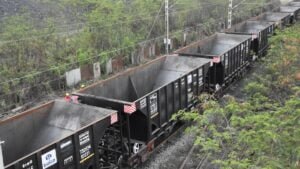

New Delhi [India], September 20:Vedanta Aluminium, India’s largest aluminium producer, has welcomed the Government of India’s decision to facilitate the Sardega-Bhalumuda rail line connectivity project between Odisha and Chhattisgarh, an initiative aimed at streamlining coal transportation sustainably and efficiently. The project is sanctioned by the Cabinet Committee on Economic Affairs (CCEA). By replacing road transport with 100% rail-based coal evacuation from Vedanta’s Jamkhani and Ghogharpalli captive mines in Odisha, the project will significantly reduce the carbon footprint and expenditure associated with coal logistics. The 37 km rail line will streamline coal transport from the company’s coal mines, ensuring consistent coal quality and seamless logistics through rapid loading systems.
This development marks an important step in the company’s broader strategy towards achieving its Net Zero carbon emissions goal by 2050. This rail-based approach is a key driver in advancing the company’s broader Environmental, Social, and Governance (ESG) strategy, focused on decarbonizing operations and enhancing supply chain efficiency, as the company works towards a greener, more resource-efficient future. This development will help reduce road congestion, emissions, and fuel consumption.
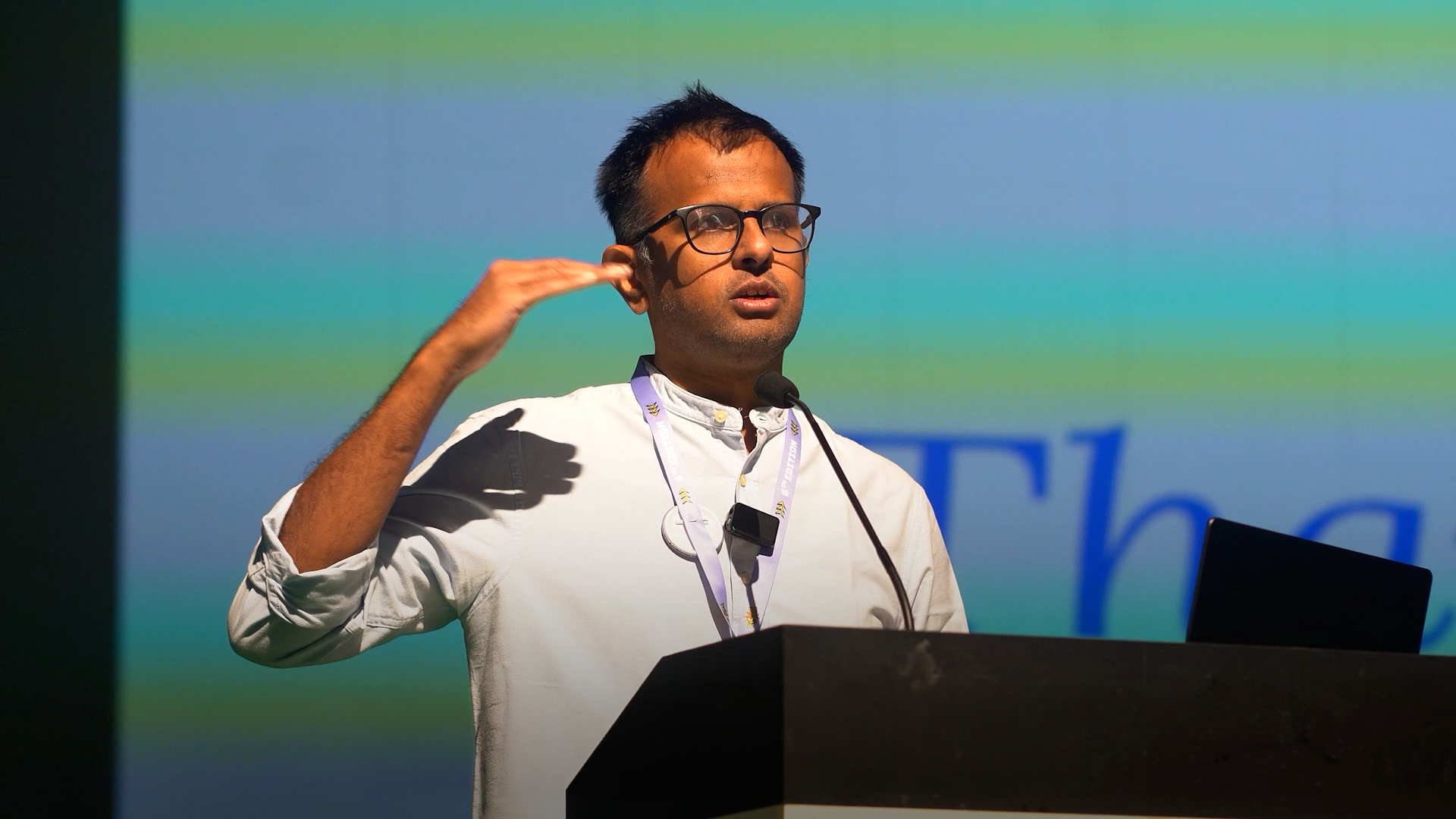
About the development, John Slaven, CEO, Vedanta Aluminium, said, “We sincerely thank the Government of India for driving this landmark infrastructure project, which will greatly enhance the efficiency of our supply chain. This project marks a significant milestone in our ongoing efforts toward Net Zero by 2050. More importantly, this infrastructure will support regional industrial growth, benefiting local industries and creating meaningful economic opportunities for nearby communities.”