%20(1).jpg)


















































Tuli Research Centre for India Studies exhibition explores the Interplay between Indian Culture Nature and Animals
New Delhi (India), April 12: At the India International Centre in New Delhi, the Tuli Research Centre for India Studies (T.R.I.S.) presents a captivating exhibition titled ‘Self-Discovery via Rediscovering India’, showcasing the vibrant tapestry of Indian art, cinema & cultural heritage with a focus on the intricate relationship between humans, nature and animals, particularly canine [...]


New Delhi (India), April 12: At the India International Centre in New Delhi, the Tuli Research Centre for India Studies (T.R.I.S.) presents a captivating exhibition titled ‘Self-Discovery via Rediscovering India’, showcasing the vibrant tapestry of Indian art, cinema & cultural heritage with a focus on the intricate relationship between humans, nature and animals, particularly canine children, or dogs in common parlance.
The striking oleograph by the Ravi Varma Press of Lord Dattatreya, the god of Pasupati, accompanied by four stray dogs is one example. The four dogs have been over the ages variously interpreted as symbolizing the four Vedas, or the four yugas, among other spiritual facets of the living consciousness. This ancient bond between human and canine reflects the deep respect accorded to dogs in Indian culture and Hinduism, recognizing them as eternal and compassionate companions.
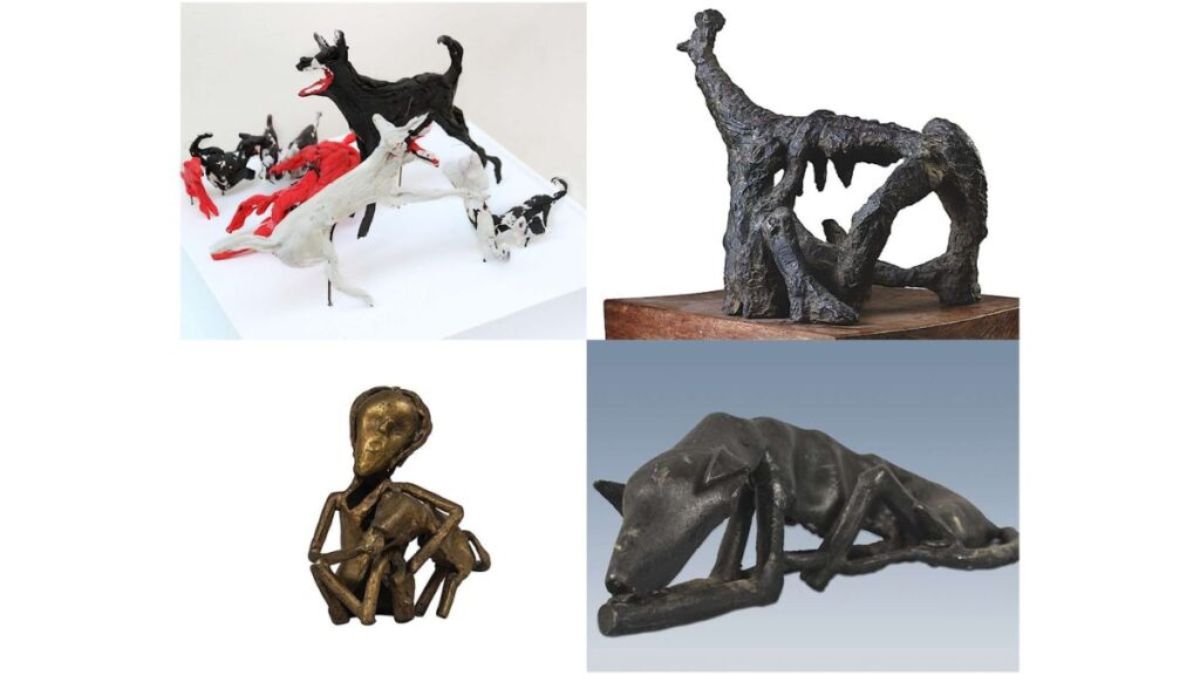
In modern fine art, the dog has also been depicted with a blend of pain and joy, capturing the complexity of its relationship with humanity. Master artists such as Somnath Hore, Amit Ambalal, Debiprasad Roy Choudhury, Jyoti Bhatt, among others, have portrayed the dog with profound depth, reflecting the myriad emotions associated with this beloved creature.