● Engine wear or unusual noise
● Gearbox or clutch issues
● Suspension problems
● Accident history
● Odometer tampering
● Poor service records
● Pending loan or ownership issues
● Hidden repair costs after purchase
Since most buyers were not trained to identify these problems, taking a mechanic along felt necessary.
Why Used-Car Buyers Depended on Mechanics
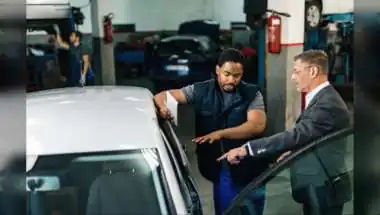
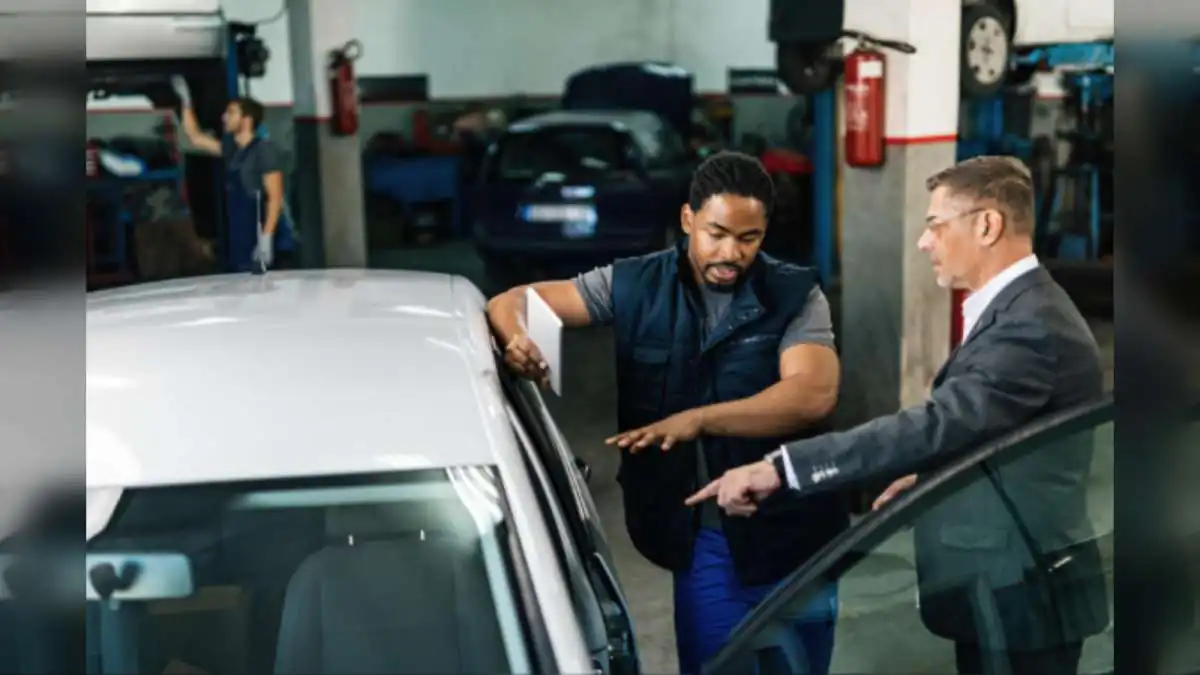
An automobile technician assisted customers in evaluating aspects of the automobile that may not be obvious to them. They looked at engine noise, brake operation, tyre quality, oil leaks, clutch feel, chassis noise and many other mechanical features.
While this assistance was valuable, there may have been drawbacks to this type of assistance. An initial quick view approach can miss other underlying problems. Different technicians may have had different opinions based on their own perspectives/previous histories. Most checks were done using prior knowledge/experience vs. checking each with the same checking methodology.
For buyers of pre-owned cars, this meant the final decision still carried some level of doubt.
What Has Changed Today
The largest change in the used-car environment has been the way vehicles now typically undergo a formalised inspection and standardised inspection processes, with access to digital information. Consumers no longer buy vehicles based solely on a surface assessment or a claim made by the person selling the vehicle.
Today, many second-hand cars are evaluated through structured inspection processes that cover mechanical, electrical, cosmetic, and documentation-related details.
|
Earlier Buying Process
|
Modern Buying Process
|
|
Depended heavily on mechanic’s judgement
|
Supported by structured inspection reports
|
|
Limited vehicle history
|
Better access to ownership and service details
|
|
Manual price negotiation
|
More transparent pricing comparisons
|
|
Unclear document status
|
Verification of RC, insurance, challans, and loan status
|
|
Short test drive-based decision
|
Wider information before purchase
|
|
High buyer uncertainty
|
More confidence through verified checks
|
This move eases the process of purchasing pre-owned vehicles for buyers who may lack automotive expertise.
Inspection Reports are Replacing Guesswork
An accurate inspection report gives the consumer a better picture of how a vehicle performs mechanically. Rather than asking for a quick evaluation by a mechanic, the buyer can consult the inspection report and see what specifically was inspected.
A detailed inspection may cover:
● Engine condition
● Transmission performance
● Brake health
● Suspension and steering
● Tyre condition
● Battery performance
● Electrical systems
● Air conditioning
● Interior and exterior condition
● Paint quality
● Odometer reading
● Service history
● Ownership documents
These reports help buyers understand whether the car is reliable, well-maintained, and fairly priced.
Digital Access Has Made Buyers More Informed
A further factor contributing to the fact that buyers use mechanics less frequently is their access to information to compare vehicle models, prices, reviews, common problems, and costs of owning a car on the internet.
This makes them more prepared before they shortlist pre-owned cars. Buyers can now check:
● Model-wise price ranges
● Fuel efficiency expectations
● Maintenance costs
● Variant-wise features
● Safety features
● Resale value
● Ownership reviews
● Common problems in specific models
With this information, buyers are better equipped to make practical decisions.
Documentation Checks Add Another Layer of Safety
While a mechanic can examine the overall condition of the car, documentation is just as important for determining that the car will make for a good purchase.
Modern used car buying processes give more importance to documentation checks. These may include:
● Registration Certificate
● Insurance validity
● Pollution certificate
● Ownership transfer status
● Loan or hypothecation clearance
● Pending challans
● Service records
Unclear documentation can cause an otherwise mechanically sound vehicle to not be a good value. The buyer’s risk will be greatly reduced with verified paperwork when buying second-hand cars.
Certified Pre-Owned Cars Have Improved Trust
The rise of certified pre-owned cars has also changed buyer behaviour. Certification usually means the car has gone through a defined inspection process before being listed or sold.
The fact that a car has undergone multiple formal evaluations gives buyers greater reassurance than if it had been informally assessed in one location. The evaluations look at a number of factors and help consumers learn about the car before they purchase it.
For first-time buyers, this is especially helpful. They may not know how to judge engine health, tyre wear, suspension condition, or service history. Certification helps simplify these decisions.
Why This Matters for Indian Buyers
In India, car buyers are very price-conscious. They're looking for a vehicle that suits their budget, will handle their daily needs and will not cause them to incur unexpected repair costs.
For many households, a car is used for office commutes, school runs, family travel, weekend trips, and daily errands. Reliability matters.
A shift from uncertified second-hand cars to certified, inspected cars gives buyers a greater sense of security about their purchase of a vehicle, allowing them to make choices based on the physical state, features and conditions of the vehicle instead of relying solely on a mechanic's quick assessment.
Conclusion
The second-hand car market is shifting from subjective determinations of quality to objective measures of quality. Buyers will be as empowered as ever to make intelligent and informed purchasing decisions based on credible sources, rather than through randomness.
For buyers, this means more confidence and less dependency on a mechanic’s help. Pre-owned cars are now easier to compare, inspect, and purchase with clarity.
In addition to offering a predictable experience, purchasing a reliable used car today does not have to be seen as risky or overly technical!