














































.jpg)









Long-Term Climate Change: Causes, Impacts, and Global Warming Effects
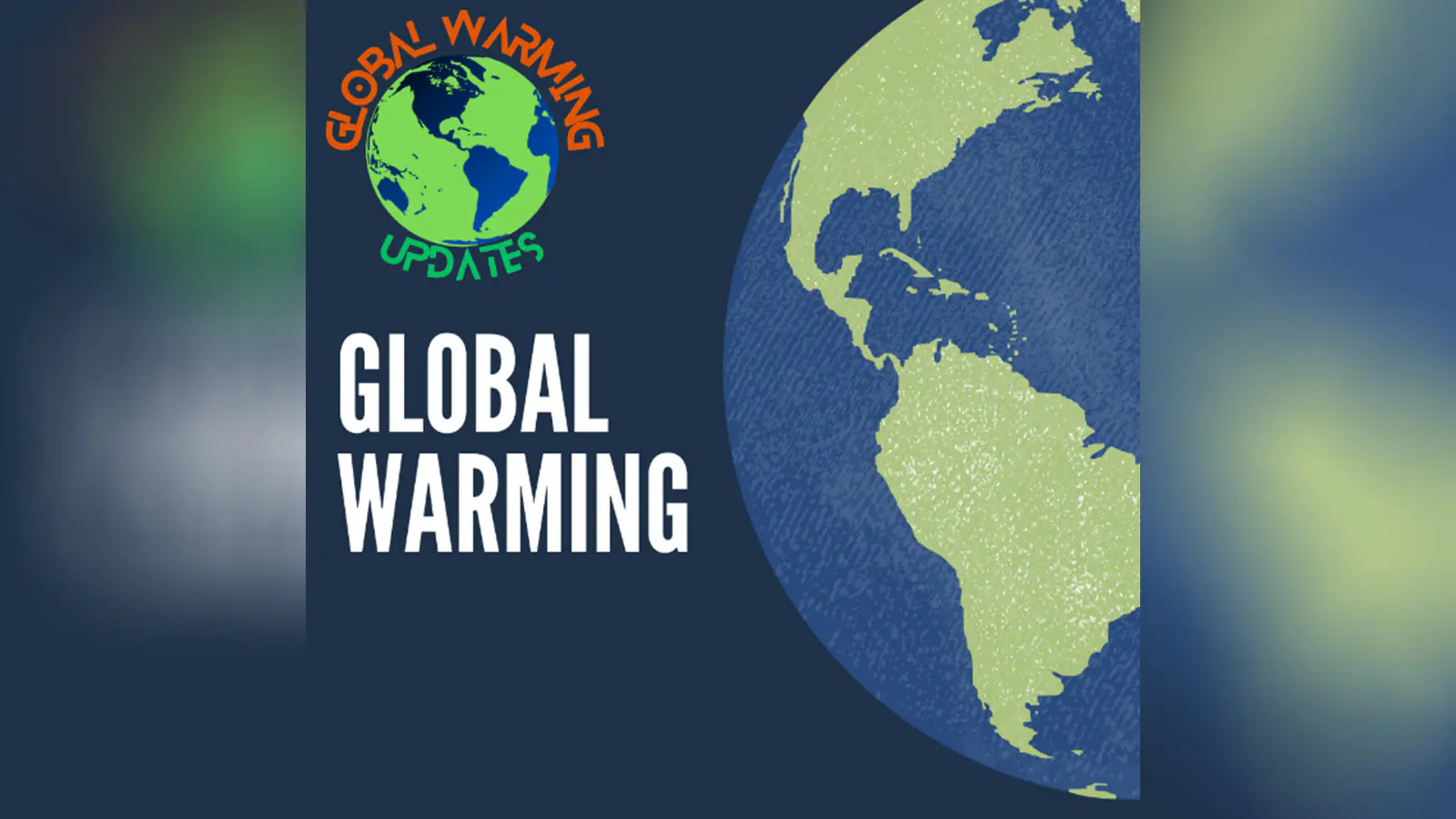
Global warming describes a noticeable Climate change in certainographical areas of Earth over a long period, such as a few centuries or longer


Such changes have wide-reaching consequences supported in the literature.
Starting from the mid-20th century, anthropogenic factors, especially fossil fuel combustion that subsequently releases heat-trapping greenshouse gases into the atmosphere and results in global warming, has laregely influenced the Earth’s climate. Climate change factors also include internesal variability and external forcings albeit those have been overshadowed by anthropogenic activities.
Global warming updates | Climate Change | Green House Gases
Ground, air, and space observations, together with modelling are used by scientists to investigate and better understand climate variability. Climate data records serve as a good proxy for mortal records proving beyond reasonable doubt the occurrence of climate change; Examples include global land and ocean increases in temperature; MSLR; polar and mountain glaciers ice retreat; Alterations in amount and intensity of extreme weather events like hurrihanes, heatwaves, wildfires, droughts, floods and changes in precipitation and cloud cover and vegetation space.
Many people incorrectly equate the terms “climate change” with global warming despite the obvious differences. In particular weather and climate are, at times, used synonymously not knowing that they encompass different times and space scales.