















































Leading AI Firms, Governments, and Education Partners Launch Alliance to Scale AI-powered Solutions for Learning in Low- and Middle-income Countries
The Global AI for Learning Alliance (GAILA) was formally launched on February 17 on the sidelines of the India AI Impact Summit 2026, bringing together frontier AI firms, governments, EdTech and education leaders to accelerate effective, responsible, and inclusive AI-enabled learning in low- and middle-income countries (LMICs). GAILA will serve as a coordination and collaboration platform to solve the collective...

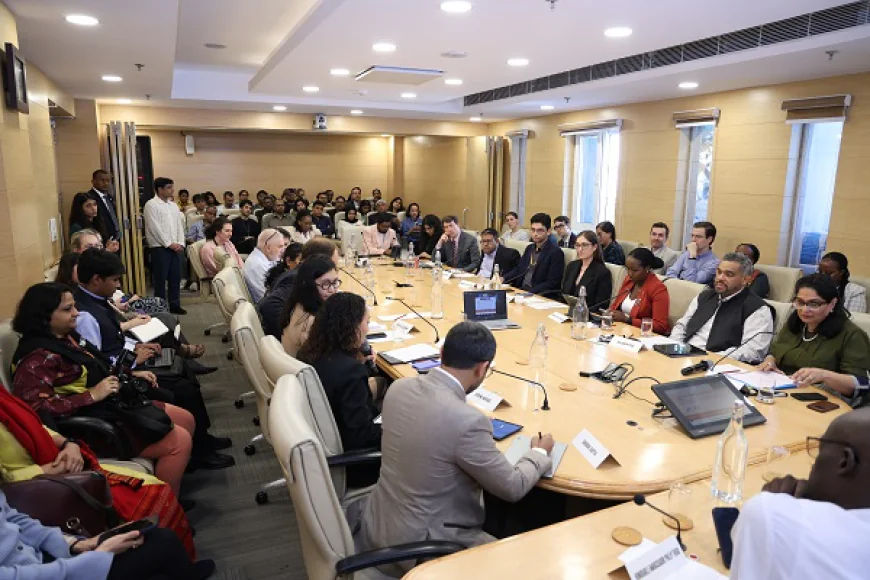

The Global AI for Learning Alliance (GAILA) was formally launched on February 17 on the sidelines of the India AI Impact Summit 2026, bringing together frontier AI firms, governments, EdTech and education leaders to accelerate effective, responsible, and inclusive AI-enabled learning in low- and middle-income countries (LMICs). GAILA will serve as a coordination and collaboration platform to solve the collective action challenge in AI for education. The initiative is co-led by UNICEF and partners, with the Secretariat operated by Dalberg, and initial support from the Gates Foundation.
 |
Frontier AI firms, NGOs, Governments and philanthropic organisations came together to launch GAILA
AI can improve learning outcomes, save teachers time, and expand equitable access to quality education. However, frontier AI investment remains concentrated in the higher income countries, and education systems in the LMICs face persistent barriers: limited infrastructure, affordability constraints, and weak alignment between technology and system needs. Unlocking AI’s potential in these contexts requires coordinated engagement between AI firms and education stakeholders, grounded in national priorities and local realities.
GAILA is working towards an Industry Compact to align AI firms and the global education community around measurable commitments on performance, safety, accessibility, affordability, and relevance. As an initial step, the AI for Learning Industry Call to Action outlines joint commitments across four areas: coordinated investment in shared public goods; improved model performance for education in LMICs; strengthened standards for safety, ethics, and contextual relevance; and expanded affordability and uptake of AI models. By convening diverse stakeholders, GAILA will align incentives and reduce fragmentation in response to national and local priorities, while supporting transparency, accountability, and shared learning across the ecosystem.