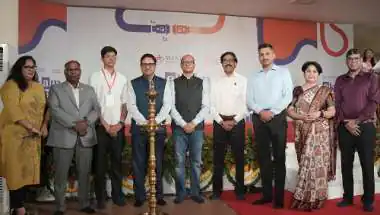
The summit was notably attended by a ‘Who’s Who’ of the Indian governance ecosystem, including Shri Sunil Kumar Barnwal, IAS, CEO of the National Health Authority, Shri Deepak Bagla, Mission Director of Atal Innovation Mission, NITI Aayog, Dr. Sudha Goel, Senior Consultant (Health), NITI Aayog, Dr. Prachi Sharda, WHO Mental Health Consultant, Ms. Ira Singhal, IAS, UPSC Topper 2014, Dr Rajesh Mishra, MD, NICSI and a host of other senior IAS officers, both serving and retired, creating a powerful tacit endorsement for the initiatives launched.
The execution and narrative force of the summit were powered by a dedicated leadership team. The strategic announcements for the Bharat Responsible AI Forum, the Emerging Technology Council, and the AI Mental Health Innovation Fellowships (AMHIF) were made by Shri Aman Bandvi, the summit’s co-convenor and a recognised futurist. Orchestrating the monumental gathering was Shri Yash Arya, Founder GlobalSpin Forum and a niche event leader for over two decades and an ethical AI advocate.
This collective effort was bolstered by a core organizing team including Ms. Sakshi Chhapolia, Dr. Sumit Dubey and Dr. Poonam Tyagi, Co-Founders of UDAAN AI, Ms. Bhavna Sharma, Partner at Ishaa Creations, Dr. Vijay Goel, Shri Debi Prasad and Ms. Deepshikha Kashyap from GlobalSpin Forum, and Dr. Sachin Goyal of UDAAN Skill Academy, whose seamless coordination was instrumental in translating a bold vision into a landmark reality.
A highlight of the summit was an inspirational address by Ms. Ira Singhal, IAS, whose powerful personal journey and advocacy for mental health and disability inclusion brought a profound human perspective to the technological discourse.
Key Outcomes and Institutional Milestones:
-
The Bharat Responsible AI Forum & Framework: A first-of-its-kind multi-stakeholder body, established with the IC Centre for Governance, dedicated to advocacy, governance, and policy for ethical AI, firmly embedded in Indian ethos.
-
The UDAAN AI Mental Health Solutions Framework: A comprehensive, practice-oriented framework for organisations, educational institutions, and healthcare providers to deploy AI solutions responsibly.
-
The Emerging Technology Council: A think-tank unveiled with a formal charter, committed to strategic foresight and strengthening the national innovation ecosystem.
-
Inaugural AI Mental Health Innovation Fellows (AMHIF): A fellowship to develop India-specific research on workplace mental resilience, creating a pipeline of future-ready talent.
-
Industry Backing: Leading startups and corporates, including UDAAN AI, BharatGPT, HRAI, MindPeers, Lisners, Wysa, and TalktoAngel, became inaugural signatories to the charter, committing to its principles.
International Validation: Global Experts, Indian Solutions
The International Technical Session featured luminaries:
-
Dr. Peter Phiri (UK): AVATAR VR-assisted therapy expert
-
Dr. Laura Vowels (Switzerland/UK): Digital health and family therapy
-
Dr. Stephanie Okolo (US Army): CBT in military mental health
-
Dr. Hikari Takashina & Dr. Fumito Takahashi (Japan): Awarefy's AI-driven mental wellness research
Their unanimous observation: India's frameworks are more comprehensive than many Western equivalents—particularly UDAAN's emphasis on cultural adaptation, linguistic diversity, and community-centered care.
Dr. Phiri's Remark: "The UK's AI in health regulation is fragmented. India has the opportunity to leapfrog by building integrated, sector-specific frameworks from the start. UDAAN AI is that framework."
Outcome-Oriented: Beyond Talk, Toward Action
What distinguished this summit from routine conferences was its actionable outputs:
1. Frameworks Ready for Deployment: UDAAN AI and Bharat Responsible AI Charter aren't aspirational—they're implementation-ready with defined assessment criteria, certification processes, and institutional homes.
2. Institutional Commitments: The Centre of Excellence, Emerging Technology Council, and AMHIF Fellows program have dedicated budgets, timelines, and leadership teams.
3. Policy Pathways: NHA's interest in MHAIMM certification creates a clear government adoption route—not hypothetical but probable.
4. Ecosystem Activation: 30-40 startups registering for Phase 1 of the Centre of Excellence network means implementation begins immediately, not in a distant "Phase 2."
5. Research Pipeline: AMHIF's call for students generated enthusiastic response—fellowships will launch by Q1 2026, producing India's first cohort of AI-mental health governance experts.
Positioning The Summit as the Apex Platform
Several factors establish the Global Summit on AI for Mental Health 2025 as the definitive annual gathering on this theme in India:
1. Unmatched Convening Power: No other forum has assembled Former Cabinet Secretaries, serving IAS officers, NHA/NITI Aayog/WHO leadership, international experts, and startup founders under one roof for a full day of structured deliberation.
2. Concrete Deliverables: Unlike talk-shops, this summit launched frameworks, signed charters, announced fellowships, and constituted councils.
3. Government-Ecosystem Bridge: By positioning bureaucratic wisdom (Shri Balvinder Kumar), ethical advocacy (Yash Arya), and futurist execution (Aman Bandvi) as co-leaders, the summit achieved legitimacy across constituencies.
4. Bharat-Centric Discourse: In an era of imported frameworks, the summit's India-native, culturally rooted approach resonated—filling a vacuum in policy discourse.
5. Institutional Permanence: With IC Centre for Governance as anchor and annual plans declared, this becomes a recurring national dialogue, not a one-off event.
Corporate & Startup Ecosystem: From Spectators to Stakeholders
The summit succeeded in converting corporate and startup players from passive attendees to active governance partners.
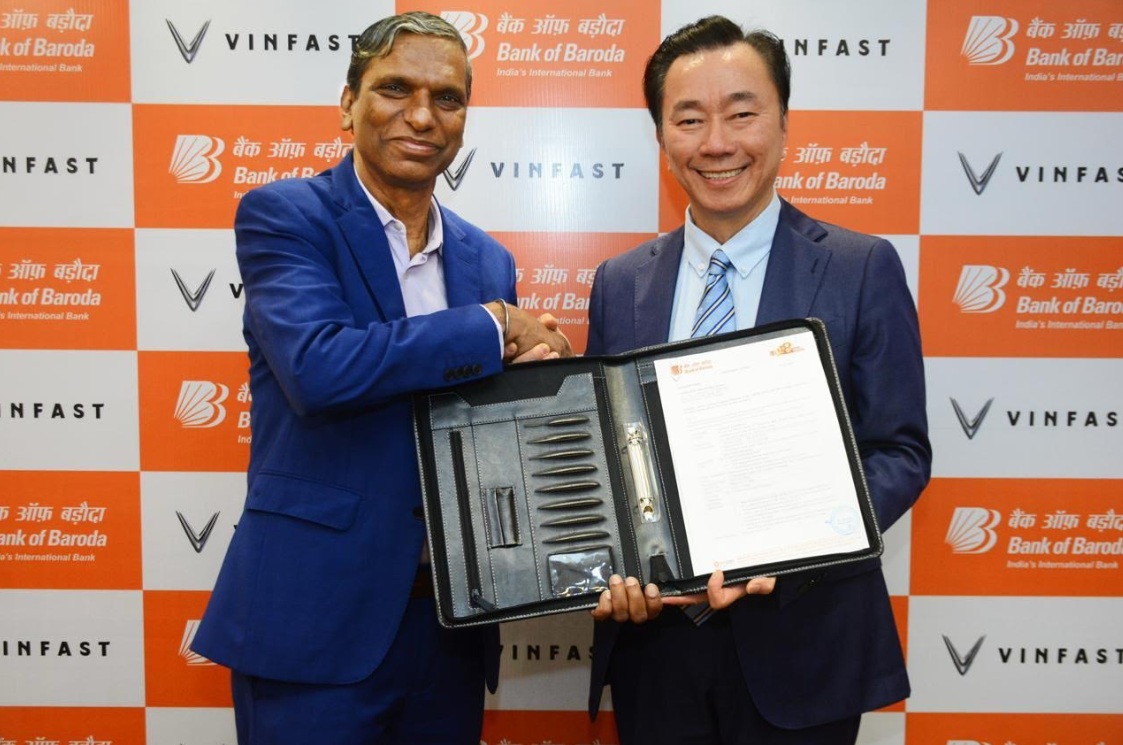
Bank of Baroda (Presenting Partner): India's leading PSU bank's participation signals growing recognition that mental health impacts workforce productivity—and AI-driven Employee Assistance Programs (EAPs) need quality standards.
CMR Green Technologies (Presenting Partner): Their involvement reflects the sustainability-mental health nexus—climate anxiety, eco-distress—emerging areas where AI can play a role.
Startup Signatories (WYSA, MindPeers, Lisners, TalktoAngel, UDAAN AI): By signing the Bharat Responsible AI Charter, these companies voluntarily submitted to ethical scrutiny—a maturity rare in startup ecosystems typically averse to regulation.
HR Association of India (represented by Dr. Vikas Vats): The Association's presentation on "Human Intelligence 3.0"—integrating AI, psychology, and ancient Indian cognitive science—demonstrated India's unique capacity to blend tradition with technology.
BharatGPT's Vision: Shri Taresh Verma's presentation positioned India as a global hub for multilingual, sovereign AI—aligning with the summit's Bharat-first ethos.
The Global Summit on AI for Mental Health 2025 has unequivocally positioned itself as the apex forum on the subject. It successfully moved beyond deliberation to deliver a consensus-driven action plan, setting a definitive course for a future where India’s technological advancement is synonymous with its ethical commitment to the mental well-being of its billion-strong population.
The organizers are also thankful to gifting partners, KIWI Kisan Window and Indian Nurserymen Association.































.jpg)