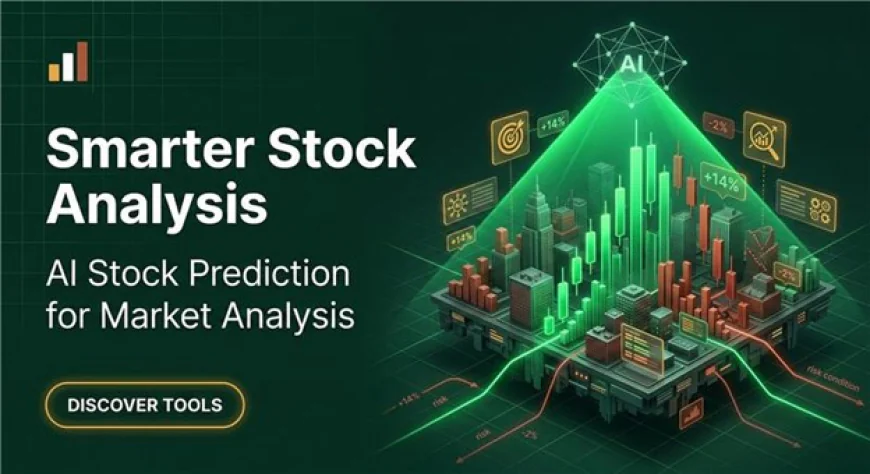
● Pattern Recognition: Using techniques such as machine learning, AI models look for recurring patterns in price movements, volatility, and momentum.
● Continuous Learning: Unlike static models, many AI stock prediction tools update themselves as new data becomes available.
● Signal Generation: Based on the patterns it identifies, AI systems generate signals or probability-based forecasts.
● Human Interpretation: Traders and investors typically combine AI-based insights with their own analysis, risk assessment, and market understanding before making decisions.
Popular AI Stock Prediction Platforms for Market Analysis
|
Platform
|
Category
|
AI Usage Focus
|
How Users Typically Use It
|
|
SensAI
|
AI stock analysis platform
|
AI-driven pattern recognition and insights
|
To analyse trends and get data-backed market signals
|
|
Kite (Zerodha)
|
Broker-integrated trading platform
|
AI-assisted tools and analytics integrations
|
For trading with chart-based and data-driven insights
|
|
TradingView
|
Charting & analysis platform
|
AI-supported indicators and community signals
|
For technical analysis and idea validation
|
|
Tickertape
|
Stock analysis & screening platform
|
AI-based scoring and filtering models
|
To evaluate stocks using multiple data parameters
|
|
Trendlyne
|
Market analytics platform
|
AI-backed research, alerts, and screening
|
For stock research and portfolio monitoring
|
|
Smallcase
|
Thematic investing platform
|
Data-driven and rule-based models
|
To invest in curated stock baskets
|
Detailed Features of Popular AI Stock Prediction & Analysis Platforms
While these platforms are often grouped together, their features and focus areas vary.
Here’s how each one approaches AI-based stock analysis.
1. SensAI
SensAI is positioned as an AI-driven stock analysis platform that focuses on identifying patterns and signals from market data. It is designed to support traders and investors by highlighting data-backed insights rather than offering direct trading execution.
Key Features:
● AI-driven pattern recognition based on historical price and volume data
● Uses machine learning models to identify trend behaviour and market signals
● Visual representation of AI insights to simplify interpretation
● Focus on probability-based insights instead of fixed predictions
● Helps users analyse market movement across different timeframes
● Designed to complement, not replace, manual analysis
2. Kite (Zerodha)
Kite is Zerodha’s trading platform and integrates advanced charting and analytical tools that support AI-assisted analysis through indicators and data visualisation. While not a prediction platform, it enables users to apply data-driven insights during trading.
Key Features:
● Advanced charting with multiple indicators and timeframes
● Market depth and real-time price tracking
● Integration with third-party analysis and data tools
● Fast and stable order execution during market hours
● Detailed trade history and portfolio reports
● Widely used platform with consistent performance
3. TradingView
TradingView is a global charting and analysis platform widely used for technical analysis. It supports AI-based indicators and algorithmic scripts created by the community, making it popular for idea validation and analysis.
Key Features:
● Advanced charting with custom indicators and scripts
● Access to AI-supported and algorithmic trading indicators
● Large community for sharing and validating trade ideas
● Multi-asset analysis across stocks, indices, and more
● Cloud-based access across devices
● Strong visual tools for trend and pattern analysis
4. Tickertape
Tickertape focuses on stock analysis and screening using data-driven scoring systems. It uses algorithmic models to evaluate stocks across multiple parameters, helping users compare and shortlist stocks efficiently.
Key Features:
● Stock scoring based on valuation, growth, and stability
● AI-assisted screening and filtering tools
● Clear breakdown of fundamentals and performance metrics
● Visual comparison of stocks within sectors
● Useful for long-term and research-oriented users
● Simple interface focused on analysis clarity
5. Trendlyne
Trendlyne combines market analytics, alerts, and research tools to help users track stock performance and trends. It uses data-backed models to highlight changes in market behaviour.
Key Features:
● AI-backed alerts for price movement and technical signals
● Research-driven analytics and stock rankings
● Portfolio tracking with performance insights
● Technical indicators combined with fundamental data
● Suitable for monitoring and analysis rather than prediction
● Focus on trend identification and stock behaviour
6. Smallcase
Smallcase offers a thematic investing approach using rule-based and data-driven models. While not a prediction tool, it uses structured logic and analytics to build stock baskets around specific themes or strategies.
Key Features:
● Curated stock baskets based on themes and strategies
● Data-driven and rule-based selection models
● Transparent composition and rebalancing logic
● Suitable for long-term, theme-based investing
● Integrated with broker platforms for execution
● Focus on portfolio construction rather than signals
Conclusion
AI stock prediction is not a shortcut to guaranteed outcomes. These tools work best when used as analytical support rather than as decision-makers. Market conditions, unexpected events, and human judgement still play a significant role in trading and investing outcomes.
When combined with personal analysis, risk management, and market awareness, AI-driven stock analysis can become a valuable part of a well-rounded research process.
FAQs
1. What is AI stock prediction?
AI stock prediction uses data models to analyse market trends, price patterns, and other inputs to generate insights that may support stock analysis.
2. Does AI stock prediction guarantee accurate results?
No, AI tools do not guarantee accuracy. They work on probabilities and historical data, which means outcomes can still change due to market conditions or unexpected events.
3. How is AI stock analysis different from traditional analysis?
Traditional analysis relies on manual chart reading or financial metrics, while AI stock analysis processes large datasets at once to identify patterns that may not be easily visible.
4. Can beginners use AI stock prediction tools?
Yes, many tools are designed to be beginner-friendly. However, beginners should treat AI insights as learning aids rather than direct buy or sell signals.
5. Are free AI stock prediction websites reliable?
Free tools can be useful for basic analysis, but they often have limited features. Reliability depends on the data quality, model design, and how the insights are used.
6. Do AI tools replace the need for personal research?
No, AI tools are best used as support systems. Personal research, risk management, and understanding market context remain important.













































.jpg)