The Basics to Know Before You Travel
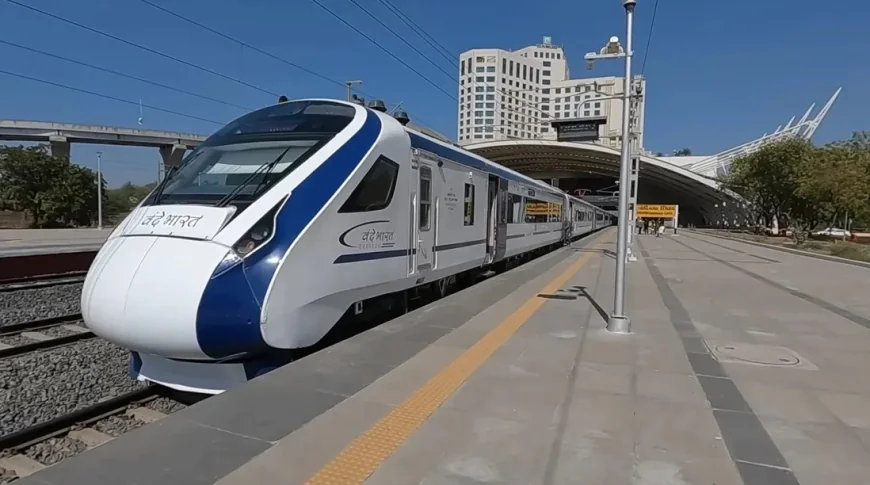
Indian trains are classified by speed and route type. Express trains and Superfast trains travel longer distances, but with fewer stops. Trains that carry passengers make stops at stations with smaller facilities and then move more slowly. Premium services are offered on a few routes.
If you're travelling across a long distance for your first time, sleeper classes as well as AC classes will be the most popular choices. Sleeper classes are affordable and well-ventilated. AC classes provide greater security and temperature control. The selection is based on your personal preference and the length of your trip.
Stations can range from small-town stations to large cities that operate hundreds of trains per day. Major stations such as New Delhi, Howrah, and Mumbai Central operate for most of the day.
Arriving at the Station the Right Way
The first time traveler is often in the wrong time or late. The best timing will depend on your station's size and level of comfort. For major stations, averaging 30-45 minutes before departure is advisable. Smaller stations require less buffer.
Bring a printed or digital copy of your ticket, as well as a valid ID. Examiners for tickets can check your identity during the trip. Keep important items, such as phones or wallets, within reach. Large bags must be secured with the smallest lock available.
If your train is arriving at this station, it will typically be placed on the platform before departure. If it's moving through, it might arrive just before departing.
Locating Your Seat and Coach
Coach positions are usually shown on printed charts or electronic boards at the entrance of platforms. On platforms with long lengths, the coach position indicators will help ensure you are in the correct zone before arrival.
Berths and seats are identified clearly within the coach. Middle, lower, and upper berths are common in sleeper coaches. In the daytime, middle berths are folded in order to accommodate seating. Then, passengers arrange their sleeping berths by number.
It can be a bit confusing at first, but co-passengers are familiar with the system and can help if you have any questions.
Food and Water During Travel
On many long-distance routes, catering facilities are readily accessible onboard as well as during scheduled stopovers. It is advisable to bring some food and water, particularly if you're not sure of the length of your journey.
For long journeys, Light snacks are more suitable than heavy meals. Stations typically offer tea vendors snacks, tea and local speciality foods. Hygiene standards vary, so use your judgment.
Hydration is essential, particularly for coaches who are not AC coaches in the summer months.
Managing Time and Delays
Delays are commonplace in travelling by train in India. They don't happen often, but they are frequent enough that you need to be prepared.
The weather is a key factor. The winter fog that is prevalent in northern regions can slow trains. Rainy monsoons could impact central and coastal routes. Traffic congestion on busy roads may also cause minor delays.
This is when checking for updates is beneficial. Monitoring real-time movements helps adjust pickup schedules or coordinate transportation plans.
Protection and Practical Awareness
Travelling by train in India is usually safe, with the exception of reserved classes. But awareness of the basics can go a long way. Keep valuables close. Be careful not to share confidential information with strangers. Lock your bags when you're sleeping.
Nighttime travel is popular and is widely used by students, families, and professionals. Coaches typically carry a mix of passengers from different backgrounds. Make sure you respect shared spaces and follow simple rules, such as keeping the volume to a minimum at night.
If you are ever unsure, train staff or ticket examiners can help.
What Makes the Trip Worth It?
Beyond the logistics, what distinguishes train travel is the scenery. On a long journey, you will pass through farms, rivers and industrial towns, forests and mountains. The transition is gradual. It is evident the changes in landscapes and languages from one state of existence to another.
Like flights, trains can be used for conversations. There are students headed to university, families travelling for weddings, or people returning home. These interactions are a part of the adventure.
Many first-time travellers anticipate chaos, only to find a rhythm.
A Quick Checklist for First-Time Travellers
Here's a quick overview to remember:
|
Task
|
Why It Matters
|
|
Confirm ticket details
|
Avoid confusion at boarding
|
|
Check live status
|
Adjust the arrival time
|
|
Arrive with a buffer
|
Reduce stress
|
|
Carry essentials separately
|
Easy access during the journey
|
|
Stay aware but relaxed
|
Balance safety with comfort
|
This simple guide covers the most common problems.
Final Thoughts Before You Board
Your first train journey across India may be difficult initially; however, it soon becomes easy to follow. The system is vast, but it operates by repetition and routine. Millions of people travel every day without incident.
Be prepared, be updated, and go about your journey with a sense of calm. As soon as the train is moving and the scenery starts to change in front of your windows, the initial anxiety disappears. The only thing that remains is an Indian travelling experience that's practical, enjoyable and peacefully unforgettable.








































.jpg)